
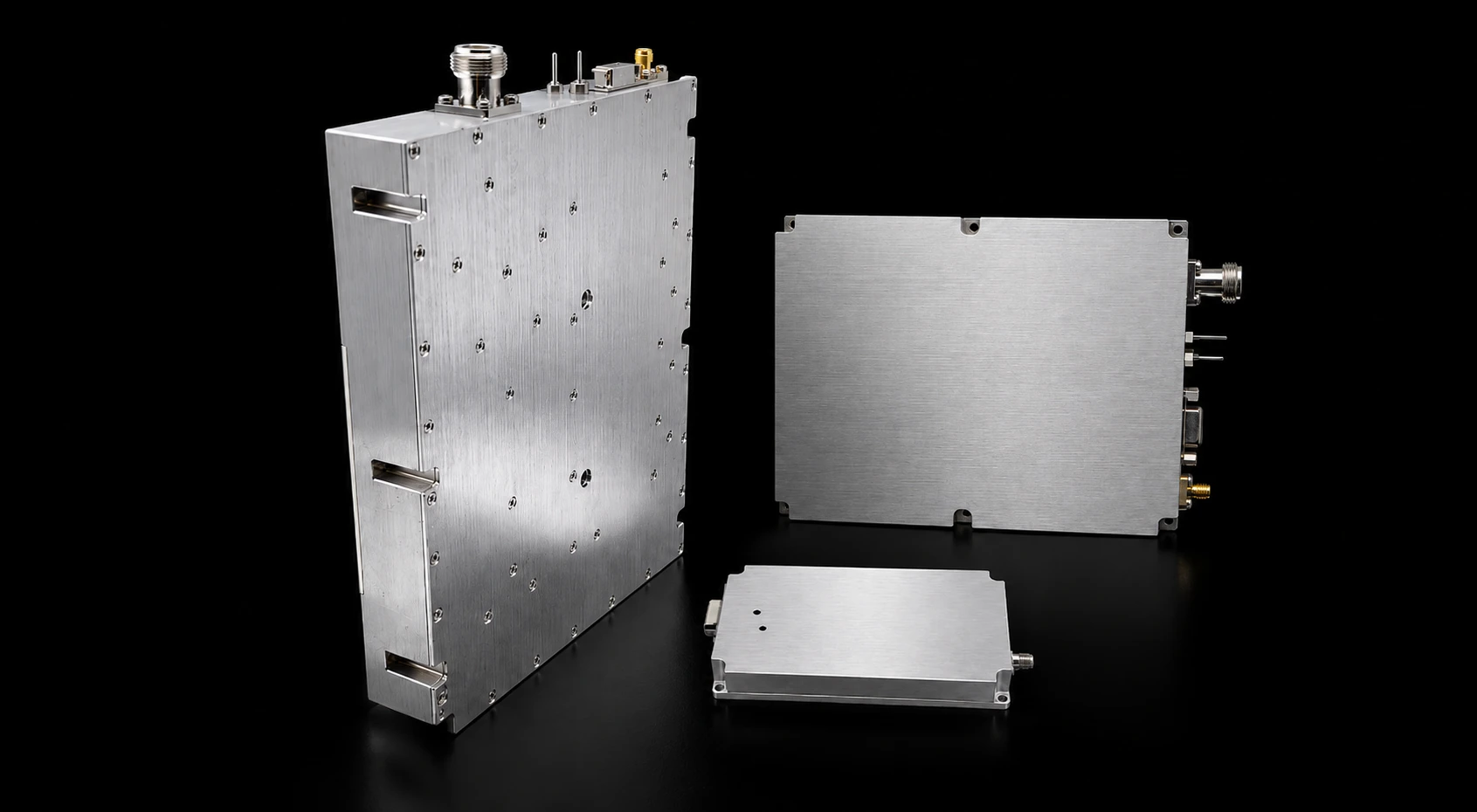
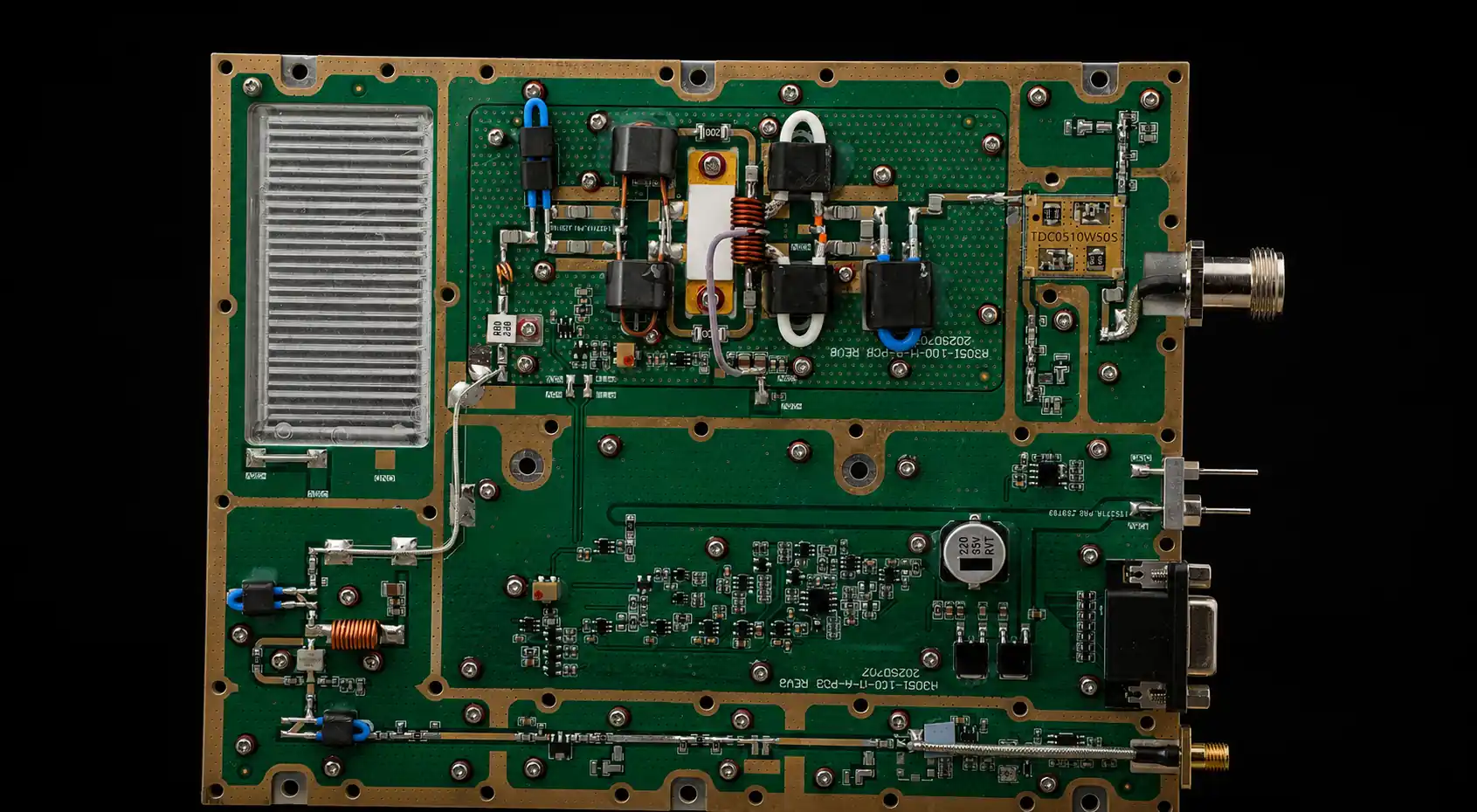
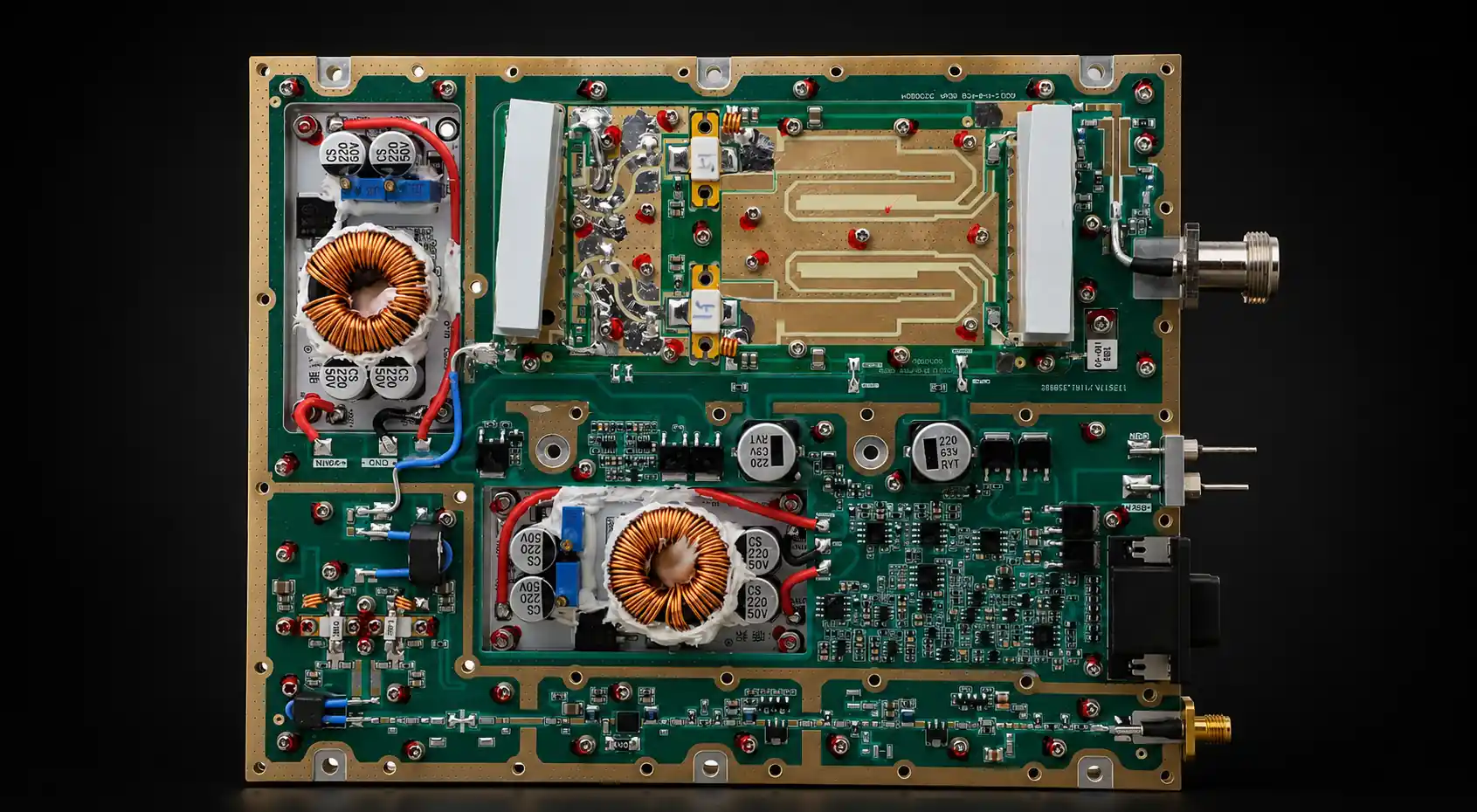
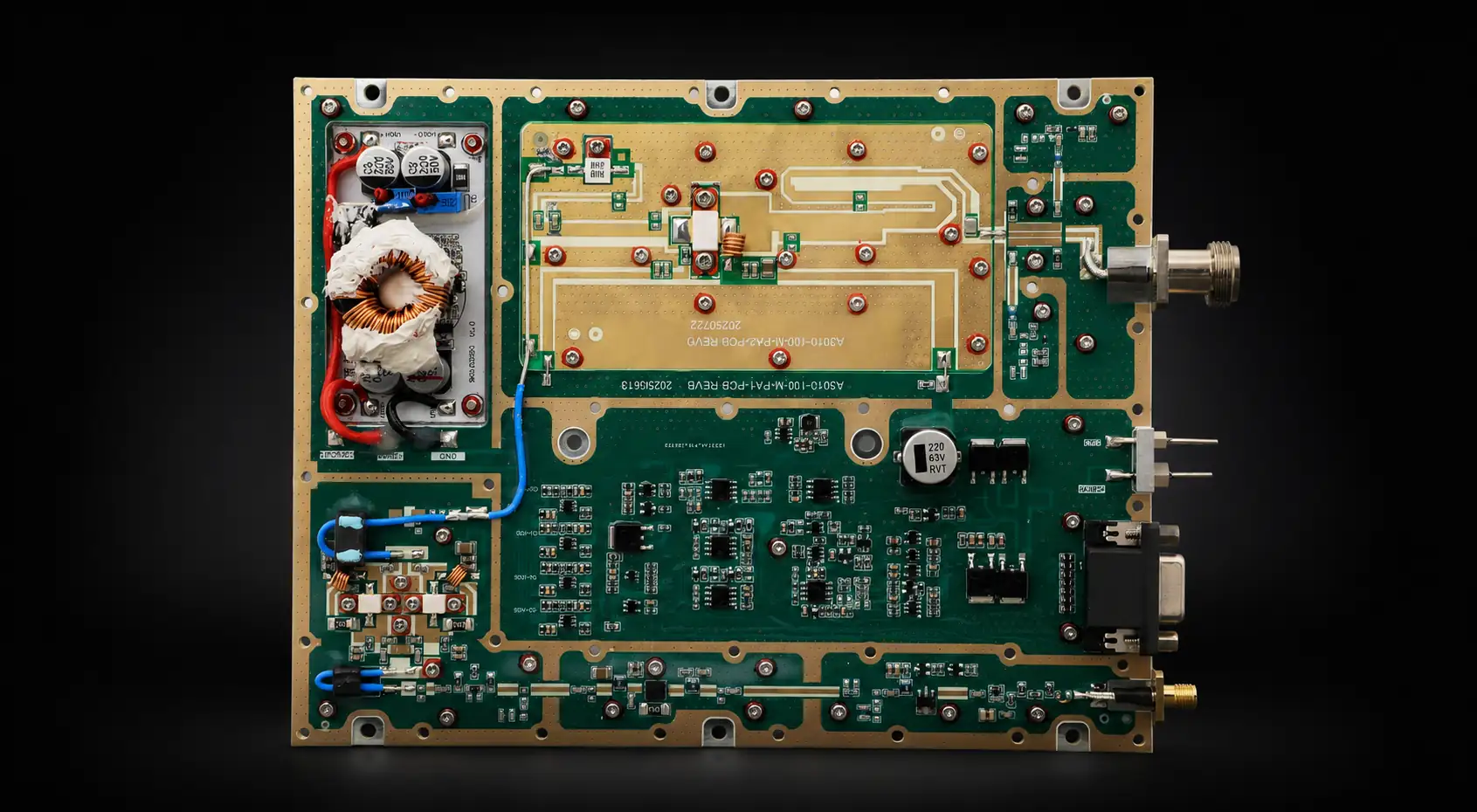
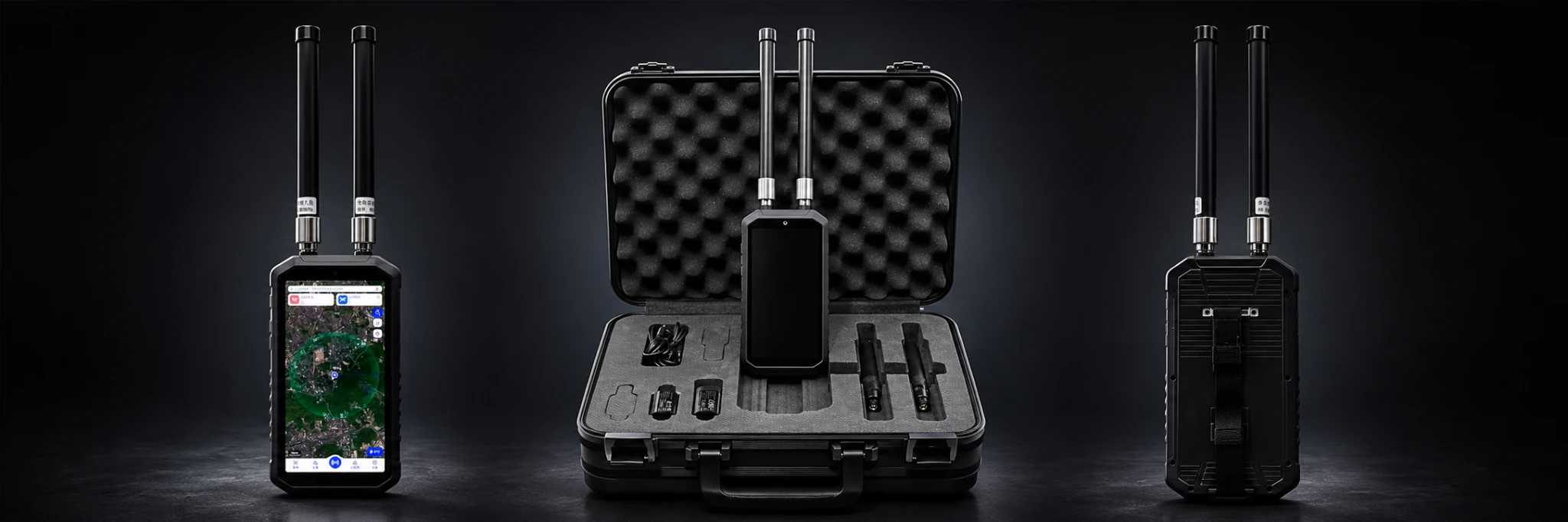

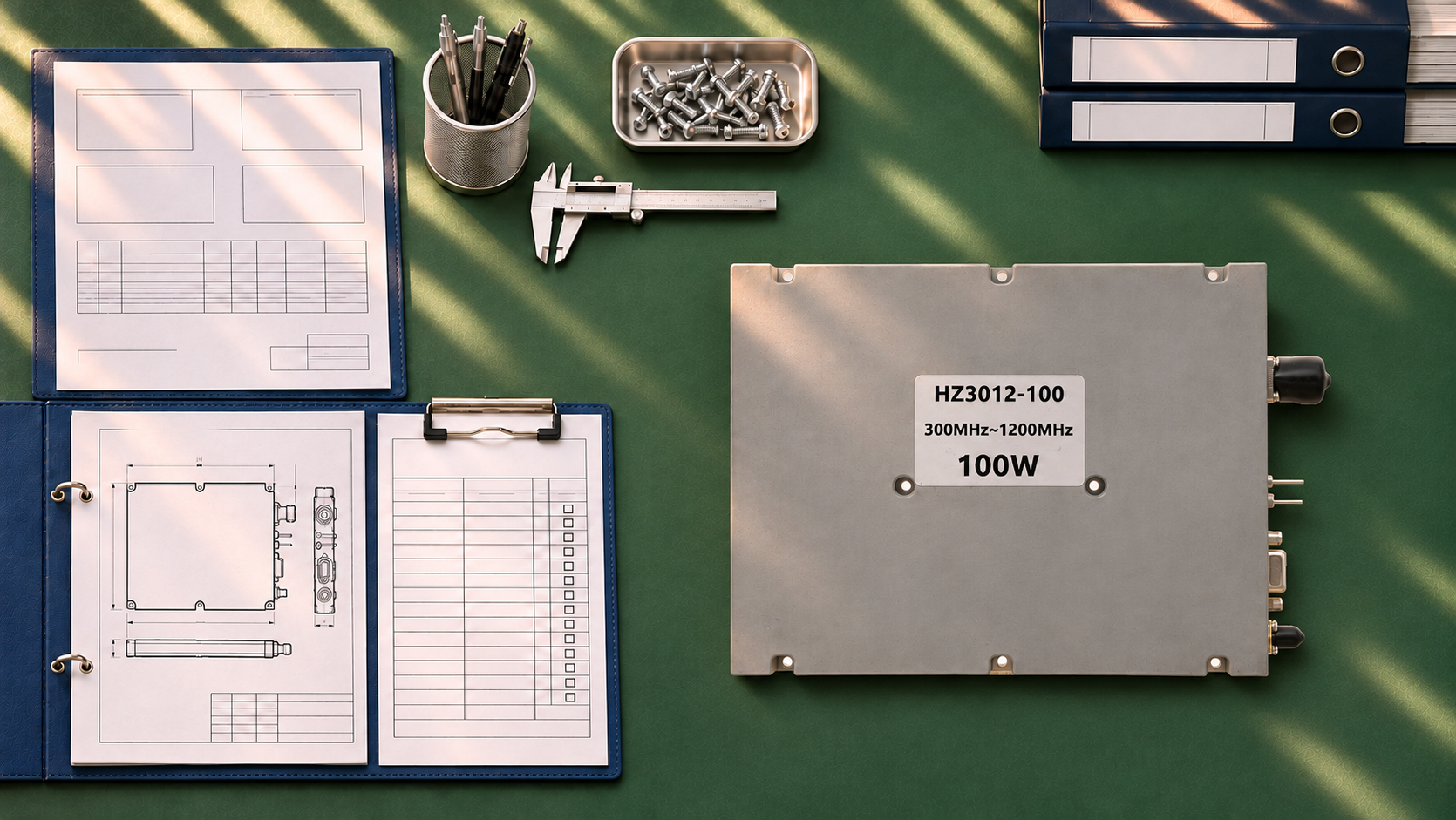
A drone jammer module purchase file should connect the verified end user and intended use with the transaction-specific export review, the approved hardware configuration, and acceptance evidence for the units delivered. The documents legally required depend on the actual item, the parties and jurisdictions involved, and whether the planned activity is purchasing, shipping, testing, or operating the equipment.
Use the supplier quotation to establish the delivery scope, the export-control review to document the transaction decision, and the test report to evaluate contract acceptance. Authority for planned RF testing or operation must be established against the applicable legal and project conditions. Procurement should record who reviewed each decision, what evidence they used, and which approvals remain pending.
1. What Must Be Cleared Before a Drone Jammer Module Purchase Proceeds?
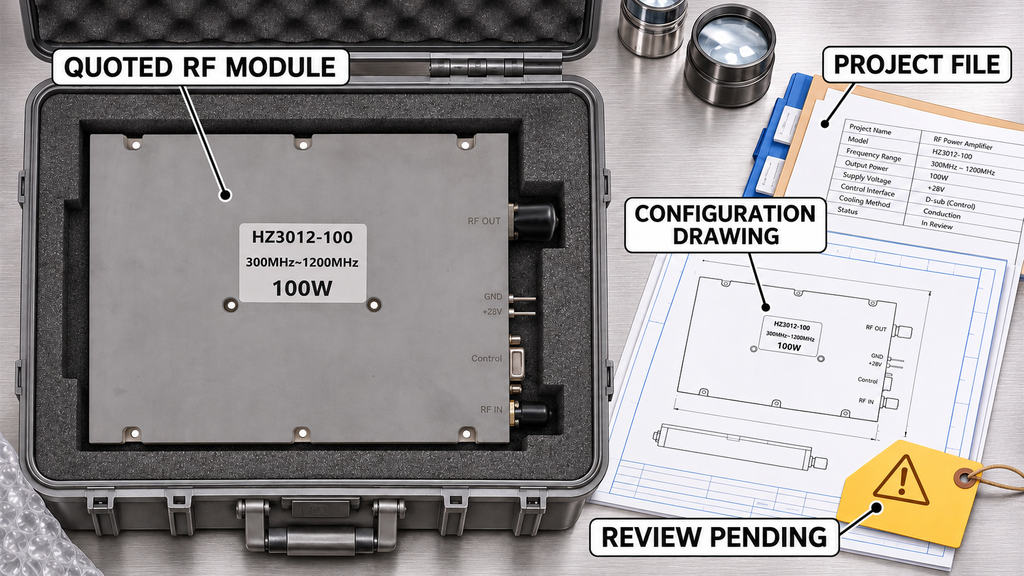
Start by assigning a project identifier and describing the actual item in the quotation. The file should distinguish the purchasing entity, exporter, importer, consignee, final user, and planned operator when these are different organizations. It also needs the proposed destination and the activity for which the equipment is being acquired.
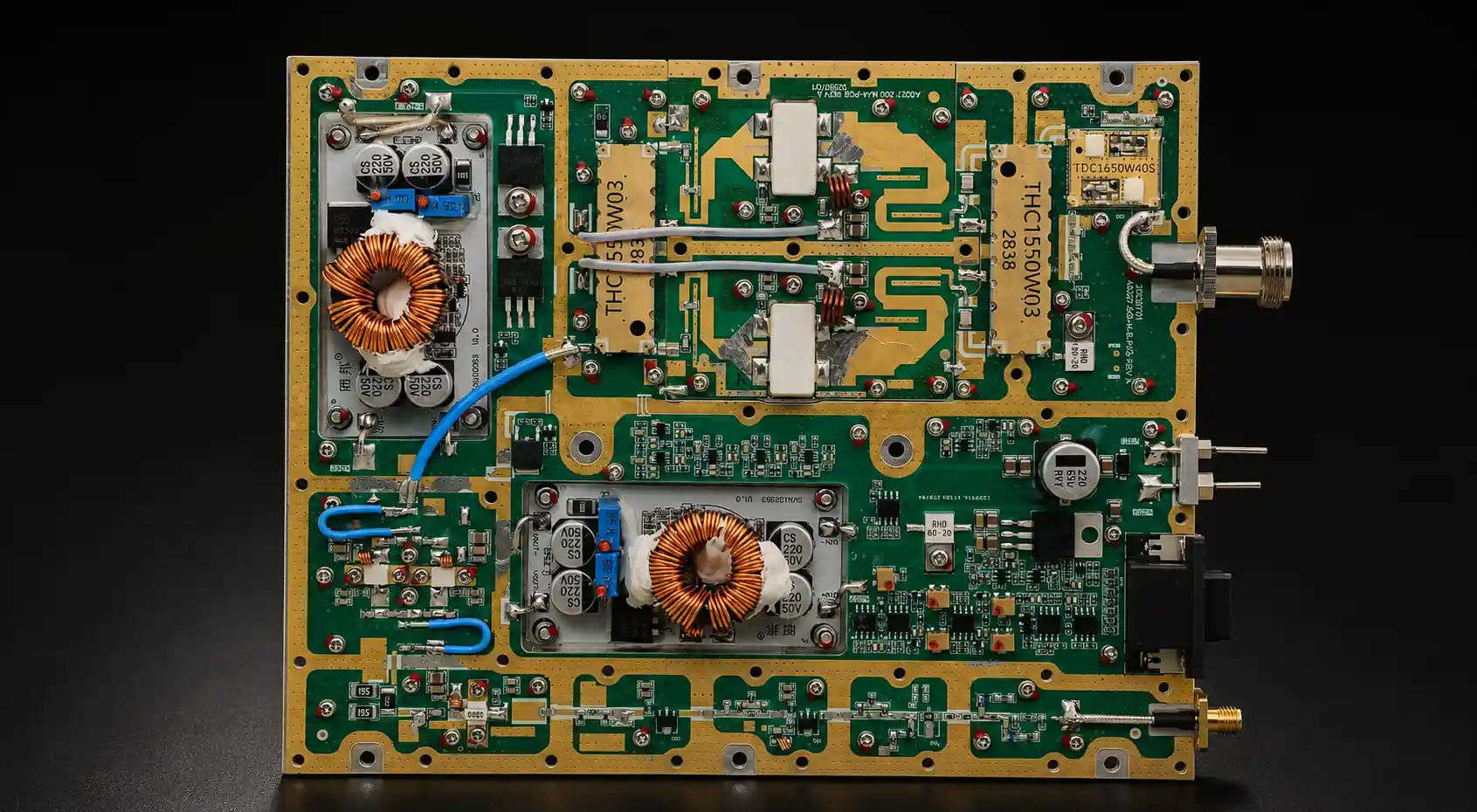
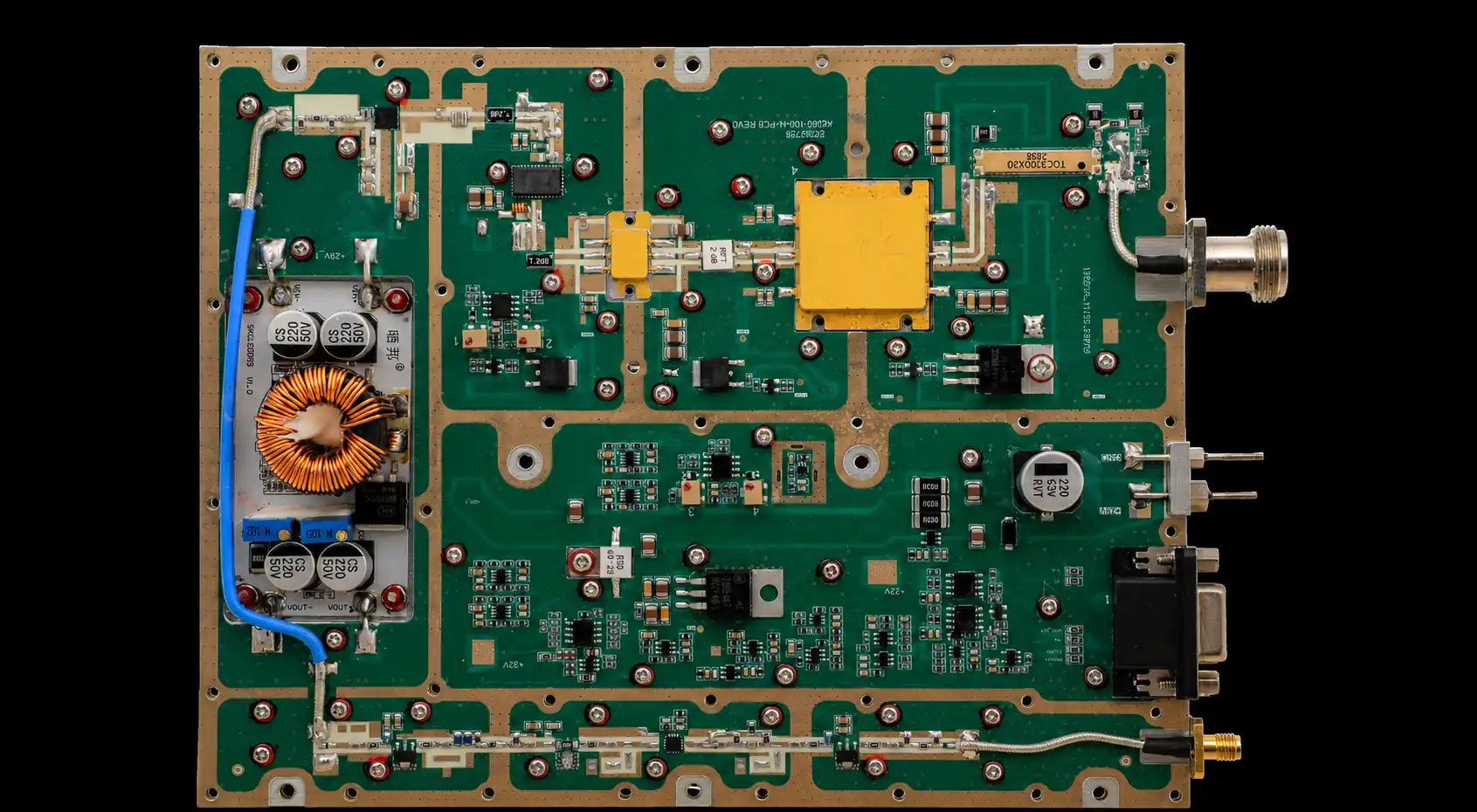
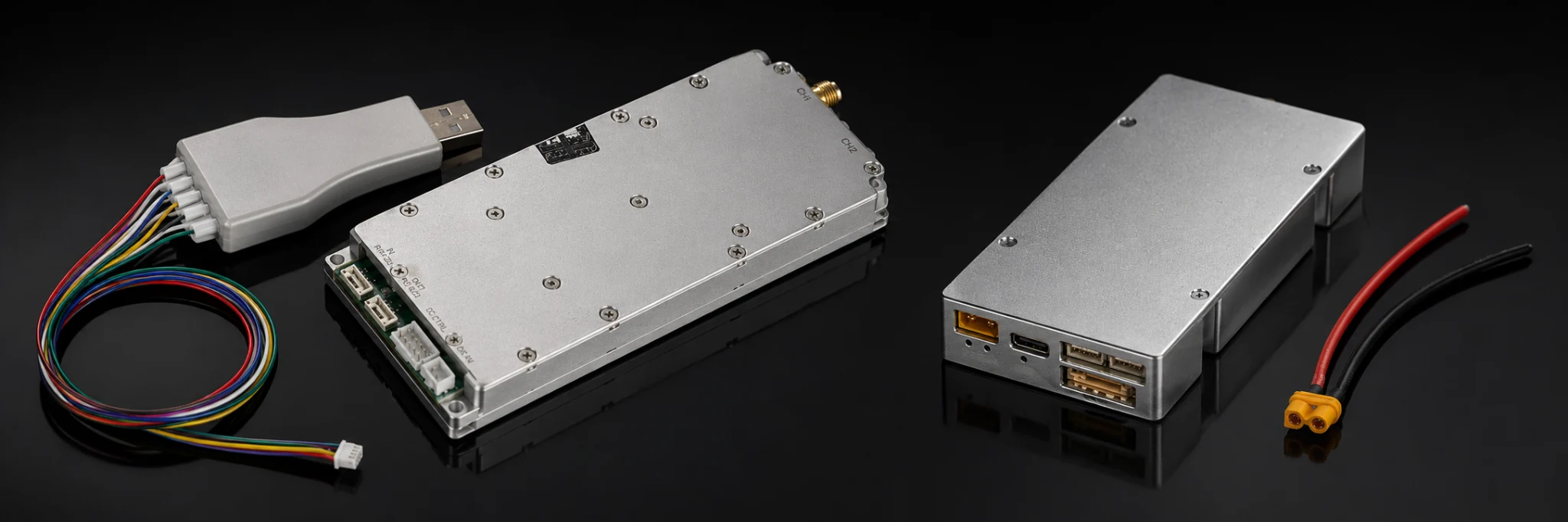
A purchase described as a “drone jammer module” may concern an RF power amplifier, a group of RF components, or a wider assembly. The boundary between a drone jammer RF module and a complete C-UAS system should be explicit in the quotation, because that scope determines the configuration records and technical acceptance evidence needed for the purchase. Legal authorization is assessed separately.
Keep supplier evaluation, purchase-order approval, regulated shipment authorization, contract acceptance, and permission for planned RF testing or operation as separate decisions. Each has its own evidence and approval owner.
Drone jammer module procurement document matrix
| Document or record | When applicable and review purpose | Minimum fields to reconcile | Provider and approval owner | Release gate | Action if missing, expired, or inconsistent |
|---|---|---|---|---|---|
| Buyer authority and project record | Establish internal accountability for this purchase; not a government authorization | Project reference, purchasing entity, approved role, procurement scope, decision date | Buyer procurement lead; designated internal approver | Supplier evaluation and purchase-order approval | Identify the responsible organization and hold the affected internal approval |
| End-user and end-use statement | Identify the actual user and specific intended activity; obtain prescribed proof where the applicable rules require it | Legal identity, address, intended use and location, authorized signer, restrictions, document version | End user or required issuing body; buyer/exporter compliance review | Compliance screening and applicable transaction approval | Verify the signer, resolve conflicting use or identity, and pause the affected decision |
| Destination and transaction-chain record | Establish where the item and any controlled technology will move and who takes part | Export origin, destination, transit or re-export path where relevant, exporter, importer, consignee, intermediaries | Buyer and logistics parties; responsible trade-compliance reviewer | Transaction review before shipment | Reconcile parties and route before the shipment decision |
| Item classification, screening, and export review | Determine applicable controls and any authorization required for this exact transaction | Defined item/configuration, applicable control list and version, classification rationale, screening sources and date, screening result and match disposition, license determination; issuing authority, authorization reference, validity period, approved scope, and conditions where applicable | Qualified exporter or designated compliance function; competent authority where authorization is required | Export, import, re-export, or controlled-transfer release as applicable | Hold the regulated transfer pending classification, screening resolution, or confirmation of required authorization |
| RF testing and operational authority | Establish authority for each planned activity, when that activity requires approval | Authorized entity, activity, equipment scope, place, period, issuing authority, conditions and limitations | Responsible operator or testing organization; legal/regulatory reviewer and relevant authority | Before the specific controlled test or operation | Hold that activity; record “not applicable” only when the activity is outside the project |
| Approved delivery configuration | Ensure the quoted, reviewed, and delivered objects refer to the same hardware scope | Model/configuration, hardware revision, applicable firmware, accessories, drawing or document revision, order line | Supplier engineering documentation; buyer technical approver | Technical approval and incoming configuration check | Record the difference and hold the affected technical acceptance until its impact is reviewed |
| Delivered-unit acceptance record | Support the contract-defined decision for the actual units or agreed sample population | Model, serial number or sample scope, test conditions, RF reference plane, criteria, results, report revision, exceptions, sign-off | Supplier quality/test function where agreed; buyer acceptance owner | Incoming inspection or contract acceptance | Request missing data, aligned testing, or corrected records; do not infer a pass |
| Change control and record retention | Keep approvals tied to current facts and preserve records for the applicable period | Changed fact, affected units/orders, document versions, impact decision, reviewer, approval date, applicable retention rule and period, record custodian | Procurement, compliance, engineering, and quality according to the affected issue | Any change after initial review | Reopen the relevant gate and retain the hold until an authorized reviewer records the release decision |
This is a buyer’s document-control framework, not a universal legal filing sequence. Some records are internal approval tools; others may be required by law or by contract. Use the matrix to compare file completeness; compare permissions only when the jurisdiction, authorized activity, item, and scope align. If the item, user, destination, or planned activity is still unknown, keep the later approvals pending while preliminary discussions continue.
2. How Should Buyers Document the End User and Intended End Use?
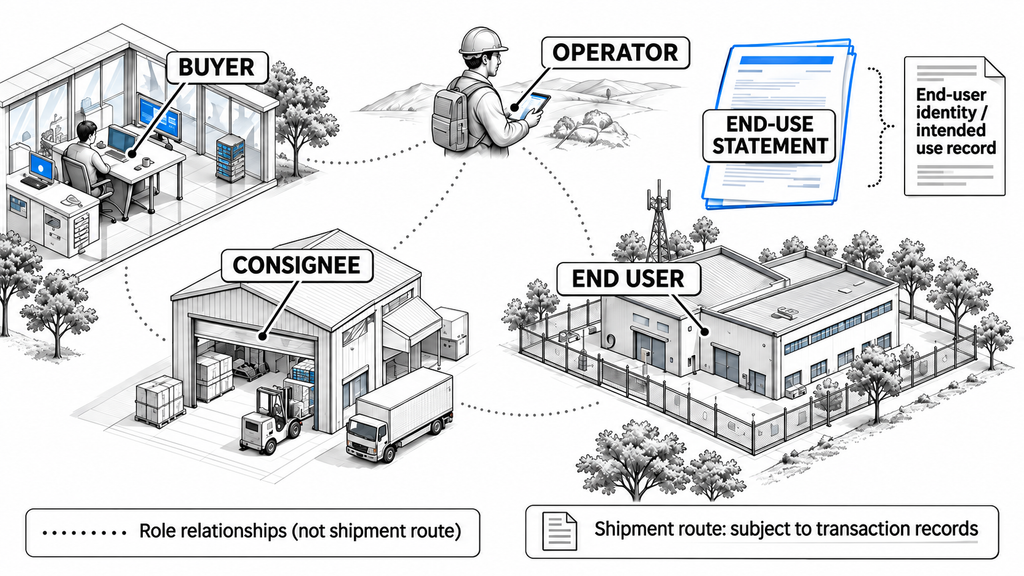
The payer is not necessarily the end user. An agent may place the order, an integrator may receive the module, and a separate organization may operate equipment containing it. The end-use record should name these parties by their actual roles instead of using the purchasing company’s name for everyone.
For the actual end user, request the legal name and address, the specific planned activity, the intended location or project context, and the name, title, authority, and date of the signer. A working record might read: end user—verified legal entity; intended use—described project activity; operating location—identified country and site; signatory—authorized person and date. “Security use” alone may be too vague to reconcile with a controlled transaction.
Check that the statement matches the purchase contract, destination record, any license application, and the proposed operator. Record conditions governing later transfers or changes of use where they apply. For an export from China subject to China’s dual-use export-control regime, an export-license application requires end-user and end-use documentation under the applicable rules; the competent authority may also require documents issued or authenticated by an authority in the end user’s jurisdiction. Requirements for transactions governed by other rules must be established separately.
Keep an indexed set of end-use documents showing the issuer, the signer’s name and authority, date and version, linked contract or project reference, the buyer-to-end-user role chain, and any applicable transfer or change-of-use restrictions. Each index entry should point to its supporting document so the compliance reviewer can verify the actual signed statement.
If the end user cannot be identified, the signature cannot be reasonably validated, or the stated activity conflicts with other records, the compliance owner should leave the relevant release pending. The applicable requirements determine a statement’s legal validity; a longer document or more stamps cannot establish it.
3. What Export-Control, Destination, and Party-Screening Records Are Needed?
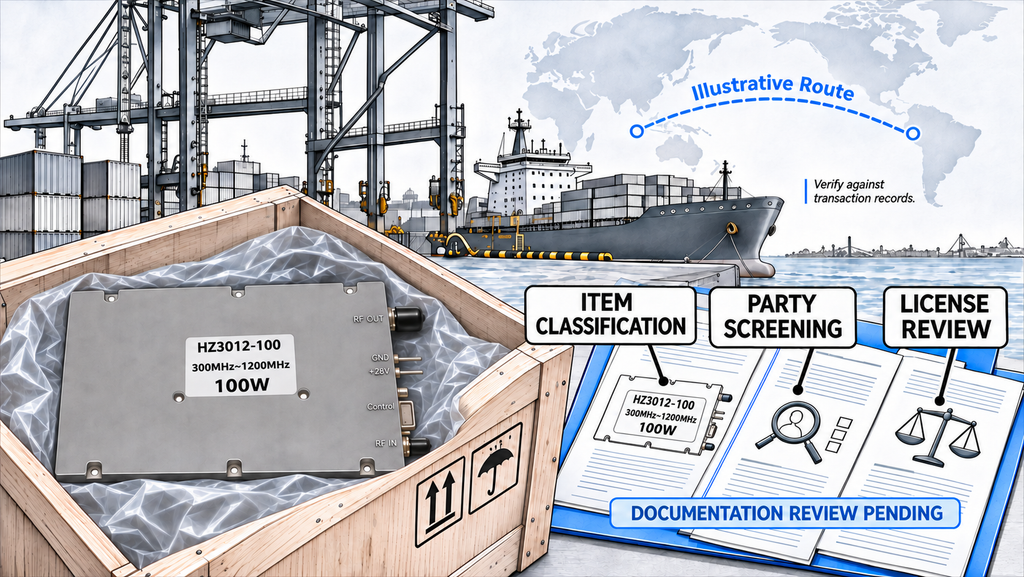
“Exportable” on a sales sheet is not a transaction-specific compliance decision. The reviewer needs the actual module configuration and the movement of the item: supplying or exporting country, destination, intermediaries, consignee, any relevant transit or re-export, and whether controlled technical data will be transferred separately.
The responsible compliance function should record the applicable jurisdiction, the control-list version examined, the item-classification rationale, and the evidence used. A customs commodity description or a broad product name may help identify the item but does not, by itself, resolve every export-control question. Where Chinese dual-use controls may apply, the reviewer should examine the control list and amendments effective for the actual transaction, then consult the separate import/export license administration catalogue where relevant. Neither reference alone determines the control status of a quoted RF module without a configuration-specific review.
For each relevant purchaser, intermediary, consignee, and end user, record the party’s identity and role, screening sources and date, scope, result, how any potential match was resolved, and who resolved it. The file should also state whether a license or another authorization is applicable, unnecessary under the reviewed conditions, pending, or obtained. For an issued authorization, record the issuing authority and actual scope. Import and re-export requirements must be assessed where those legal regimes apply.
The compliance reviewer should sign or otherwise authenticate the classification and transaction-review decision, including unresolved issues and conditions for release. If classification evidence is insufficient, a screening concern is unresolved, or the proposed destination or use falls outside an authorization’s stated scope, the affected transfer should remain on hold. An approval from one jurisdiction cannot be treated as permission from another, and technically similar configurations cannot automatically share the same classification conclusion.
4. Why Must Purchase, RF Testing, and Operational Authority Be Recorded Separately?
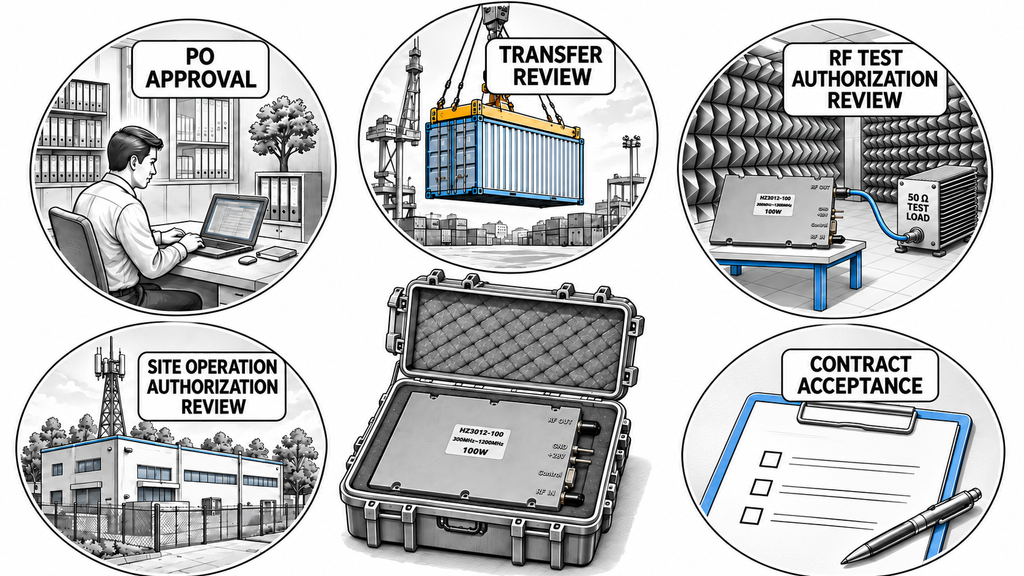
Internal purchase approval, permission to move controlled goods across borders, authority to conduct a particular RF test, and authority to operate equipment at a site answer different questions. For each planned activity, the record should identify the authorized organization, equipment, location, time period, issuing body where relevant, and applicable restrictions. “Government project” is a project description, not a substitute for those details.
The FCC’s July 2026 declaratory ruling addresses specified signal-jammer testing pursuant to FCC authorization; its scope is that authorized testing activity. Separately, the SAFER SKIES framework and its 2026 implementation establish conditional authority for qualifying state, local, tribal, and territorial law-enforcement or correctional agencies, subject to the applicable statutory criteria, training, certification, and operational requirements. For covered agencies, an approved C-UAS Operations Plan and required federal coordination are separate from any FCC authorization needed for RF-emitting equipment. Spectrum coordination alone does not provide that authorization. These permissions must be checked for the specific agency, equipment, activity, and period; they do not automatically extend to a private integrator or an individual RF power amplifier.
An acceptance engineer may therefore sign off on a module’s contract test while the intended site activity remains unapproved. Record such an activity as pending—or not applicable if it is genuinely outside the project—rather than as completed. When the proposed test or operation is not covered by confirmed authority, hold that activity for qualified legal and regulatory review; the module’s technical evaluation and the legal decision remain separate.
5. How Should the Approved Module Configuration Be Identified?
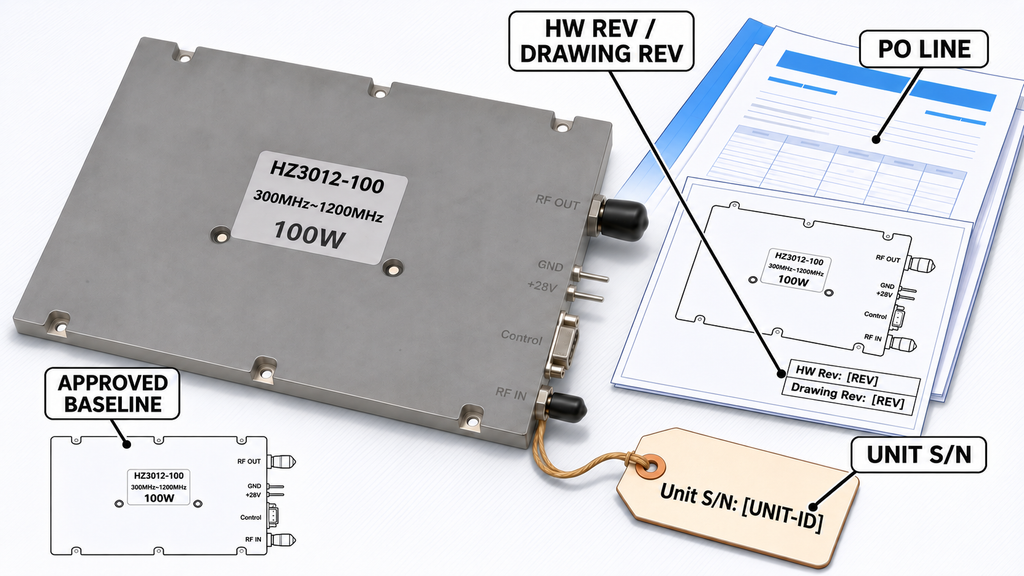
Record the exact configuration approved for purchase. Start with the supplier’s model or configuration code, the quoted delivery boundary, hardware revision, applicable firmware or software revision, included RF or control accessories, and the controlled drawing or specification version. Tie that baseline to the purchase-order line and quantity. If serial numbers have not yet been assigned, use the approved order configuration as the temporary reference and bind individual serial numbers to it before delivery. Where lot or batch identifiers are used, link them to the purchase-order line, approved configuration, and corresponding delivered units or agreed sample population.
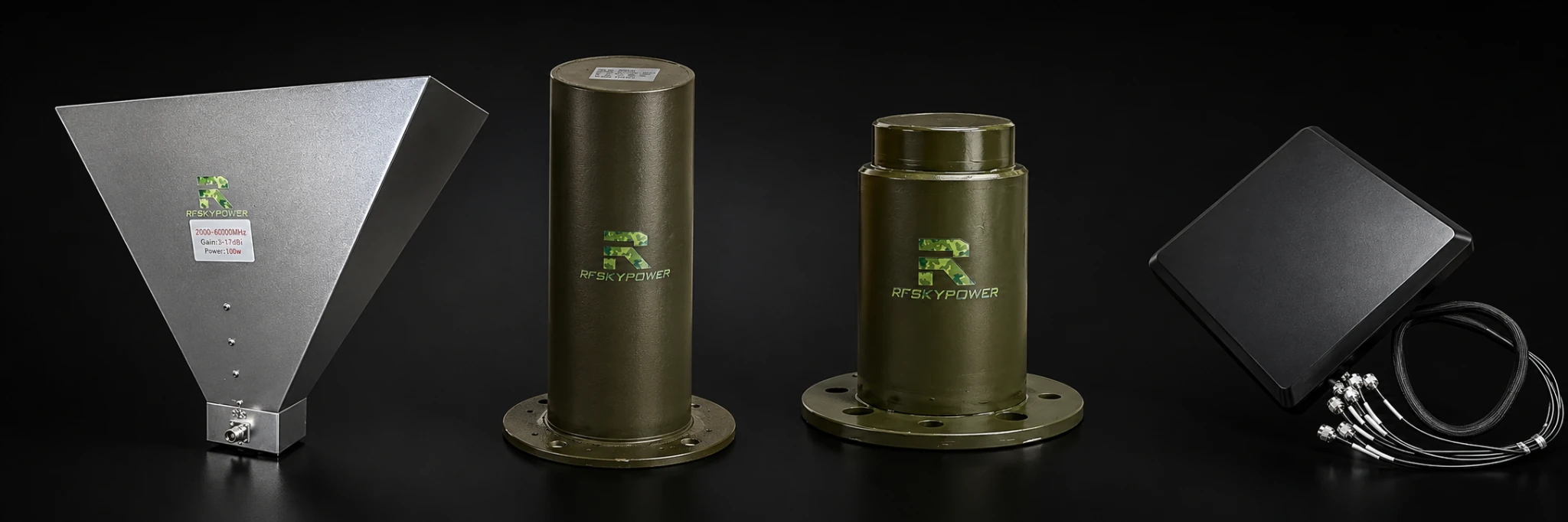
When a quotation covers an RF power amplifier rather than a complete C-UAS assembly, check connectors, DC requirements, cooling, drive conditions, and control interfaces during C-UAS RF power-stage selection. A change to any of them can affect engineering acceptance even when the nominal model family stays the same.
Procurement should compare the delivered configuration against the baseline used in the classification review, technical approval, and contract. If an accessory, hardware revision, or applicable firmware version differs, record the change and obtain an impact decision before relying on the earlier acceptance evidence. File completeness may be compared across suppliers, but technical conclusions carry over only when the configuration and test scope are equivalent or their differences have been expressly evaluated. Whether an existing legal authorization covers the changed item requires a separate compliance judgment.
For an RF SKYPOWER quotation, identify the exact RF component or assembly and the revision-specific records the buyer expects. Confirm which documents are available for that order.
6. Which Acceptance Records Must Follow the Delivered Module?
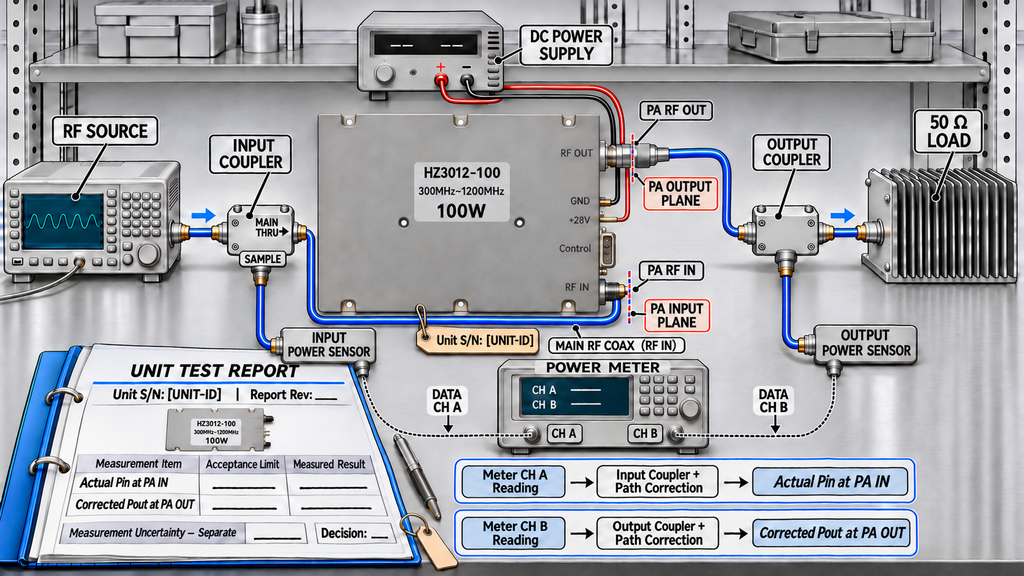
Acceptance begins with a contract-defined test object, method, conditions, and limit. A bench reading shows what was measured; contract acceptance also needs the link to the ordered configuration, the agreed limits, and the buyer’s recorded decision.
The RFQ or acceptance plan should state whether the contract requires individual-unit testing or representative sampling. For unit-level acceptance, connect the delivered module’s model, configuration revision, and serial number to its dataset and report. For sampling, identify the tested population, selection basis, acceptance criteria, and exactly which delivery scope the result supports. A prototype or representative report cannot silently become proof that every delivered unit passed.
The test report should identify its revision, date, test frequencies, and signal or waveform type. It should record actual RF input drive at the defined PA input reference plane, the measured output reference plane, supply and load conditions, cooling and thermal state, test duration where material, and agreed limits alongside results. Corrections, instrument uncertainty where relevant, exceptions, and the approving sign-off should be traceable. A raw instrument display is not automatically a corrected power value; PA output power is not automatically power at an installed antenna input.
At the source-to-PA interface, generator settings and actual input power may differ because of the signal path. Evidence from SDR-to-PA integration testing therefore needs the relevant path conditions and reference planes to be interpreted correctly. The supplier’s module-level result also does not replace acceptance of a downstream feeder, antenna, integrated system, or authorized field activity outside its report scope.
The buyer should finish with an index showing which report supports which unit or agreed sample group and which conditions remain untested. If a limit, measurement plane, operating condition, or delivered-unit identity is missing, technical acceptance is not yet established for that scope. Request the missing record or an agreed repeat test rather than converting the gap into a supplier failure—or an unsupported pass.
7. What Changes Trigger a New Review or a Procurement Hold?
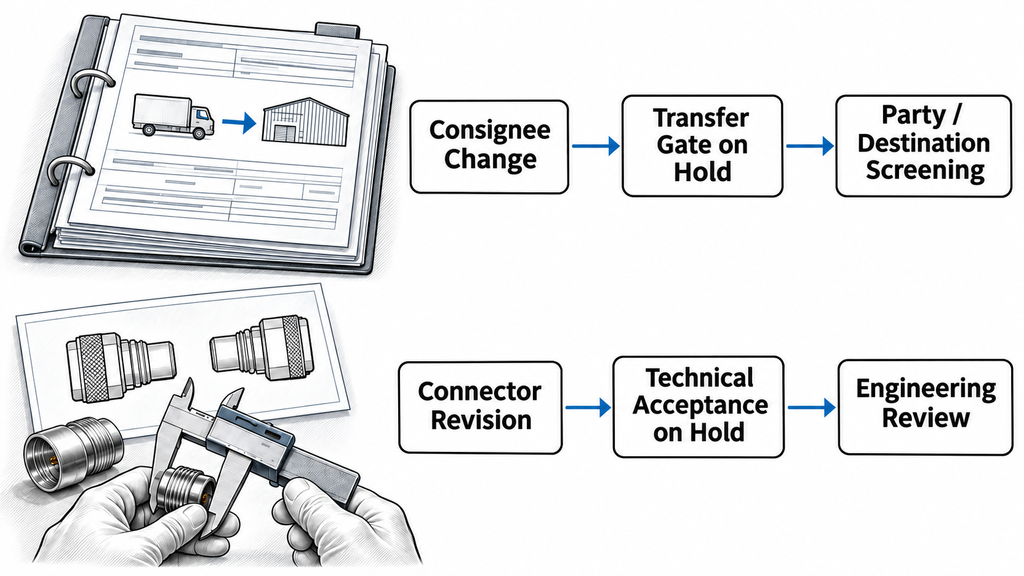
An approval is tied to the facts it reviewed. Changes in the actual end user, intended activity, destination or transit route, transaction parties, controlled item, license conditions, hardware or applicable firmware revision, acceptance method, or delivered serial numbers may break that connection. The consequence depends on the law, authorization, contract, and evidence affected; not every product revision automatically requires a new export license.
The change record should identify the previous and revised facts, discovery date, affected orders and units, document versions, responsible compliance or engineering reviewer, evidence requested, and final decision. A legal question goes to the appropriate compliance authority; a technical change goes to engineering and quality; a mismatched packing or serial-number record goes to the delivery acceptance owner. One change may require more than one review.
For example, a new consignee may reopen party and destination screening without changing the PA test method. A changed output connector may reopen configuration and installation acceptance even if the declared end use remains the same. Neither case should be marked “approved” until the relevant reviewer has confirmed that the existing documentation still covers the new facts or recorded what new authorization or evidence is needed.
For exports subject to China’s dual-use export-control regulations, changing the controlled item type, destination country or region, end user, or end use during a license’s validity requires the exporter to suspend exports, reapply for a license, and return the original license. Changes to other, non-key license elements require an amendment application and temporary suspension of license use. Where the exporter or importer discovers that the end user or end use has changed or may change, or that the supporting end-use document is forged, altered, or invalid, the regulation requires an immediate stop to exports, reporting to the Ministry of Commerce, and cooperation with verification. These statutory obligations control the affected export activity regardless of an internal project approval.
Use a status such as review pending, affected gate on hold, approved for the specified gate, or escalated for legal review, with the decision date and responsible person. For changes outside a legally mandated suspension, place the affected contract, technical acceptance, or project activity on hold until the responsible reviewer records the resolution. An administrative hold does not establish that the product has failed an RF test.
Conclusion
Before requesting supplier review, assign a project owner. Qualified compliance staff should verify the end user, intended use, transaction chain, and authorizations that apply. Engineering and quality should freeze the quoted configuration and define the required acceptance-report fields. Keep unresolved items tied to the particular approval gate they block. A signed end-use statement, a passing bench report, and permission to operate each support a different decision.
Where that screening permits a technical discussion, provide RF SKYPOWER with the project reference, purchasing entity and end-use category, proposed export and delivery countries, current compliance-review status, exact PA/module/system delivery boundary, applicable configuration revision, quantity, traceability requirement, and requested test-report fields. Its engineering team can then review the technical documentation scope that may be supportable for the proposed quotation. Sensitive legal or end-user records should be exchanged only through an agreed, authorized channel; a technical inquiry does not itself establish permission to ship or operate the equipment.