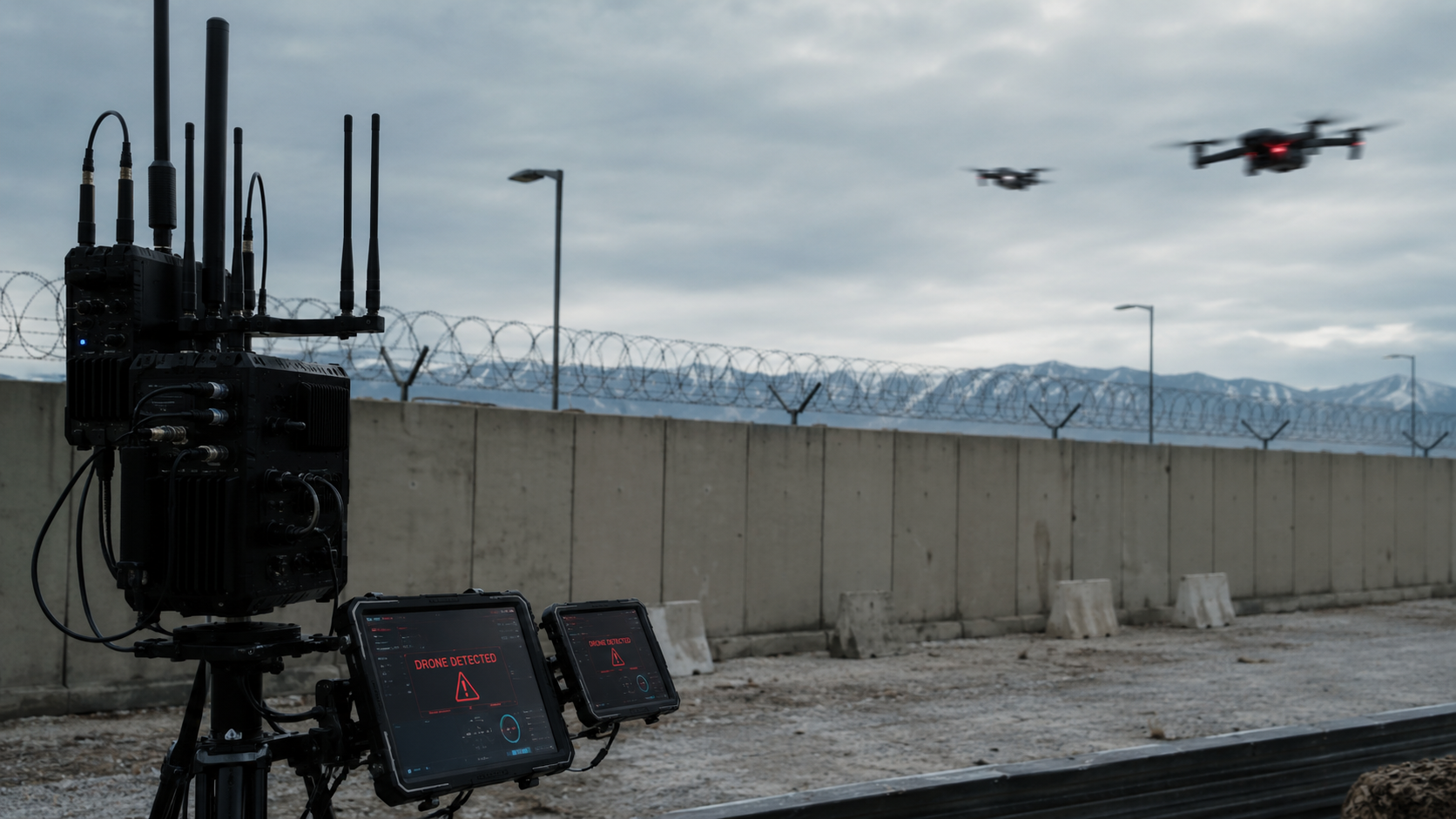
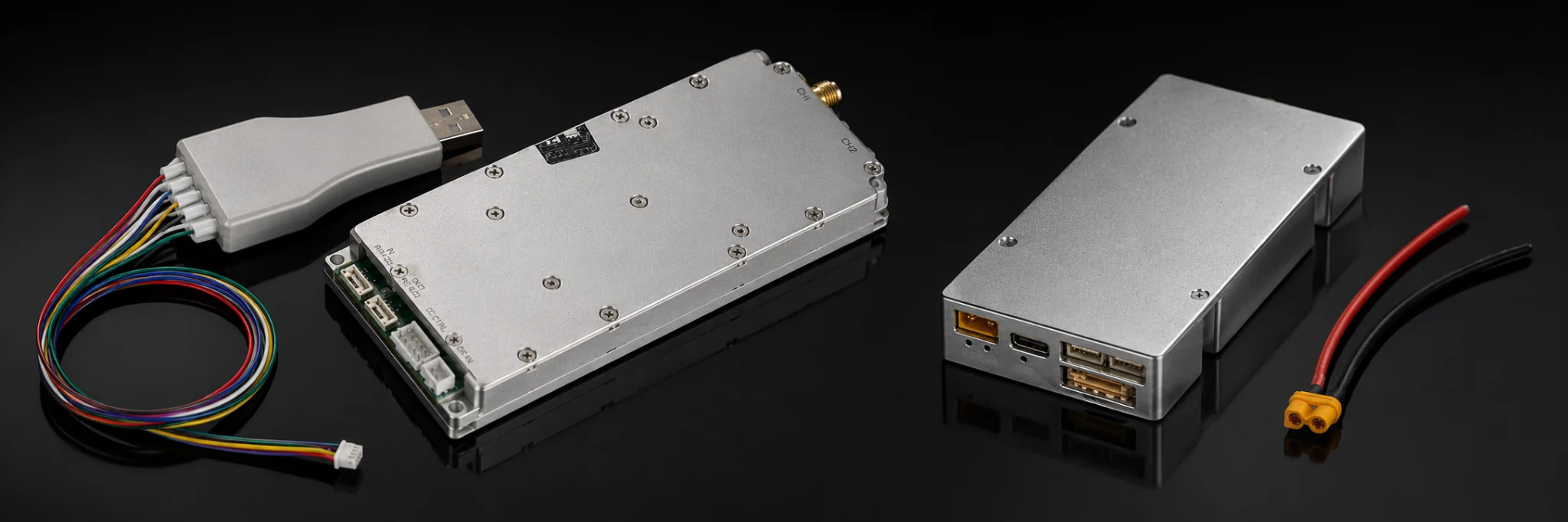
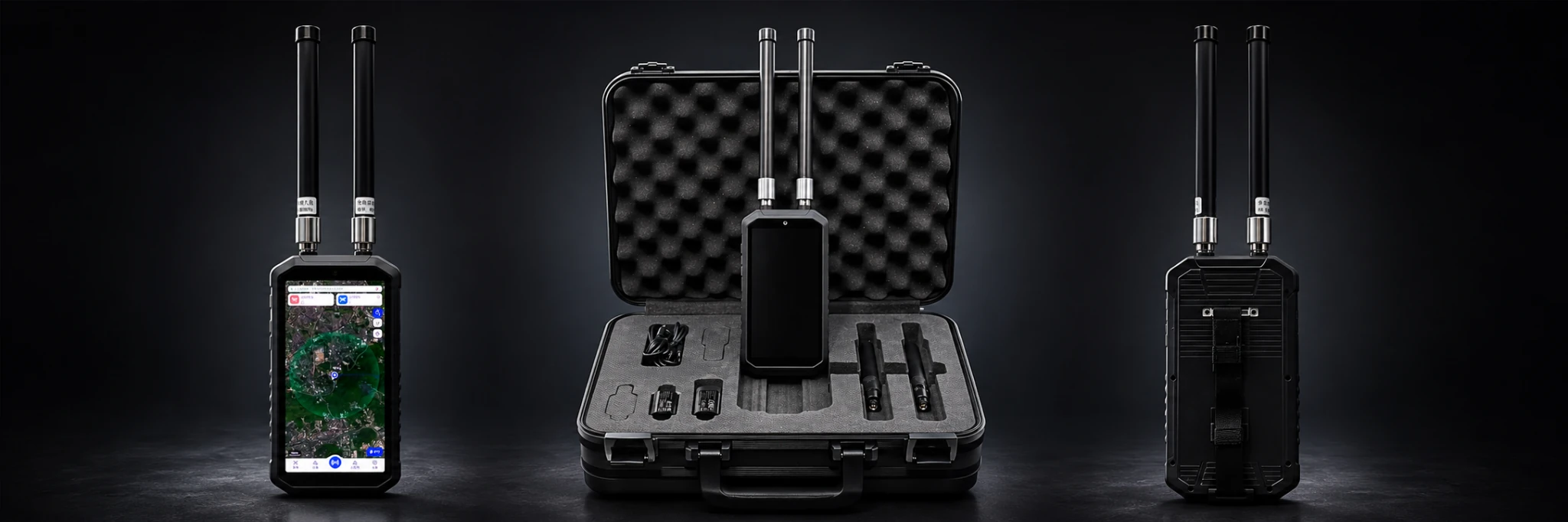
Swarm-Proof Defense Core 30MHz–6GHz
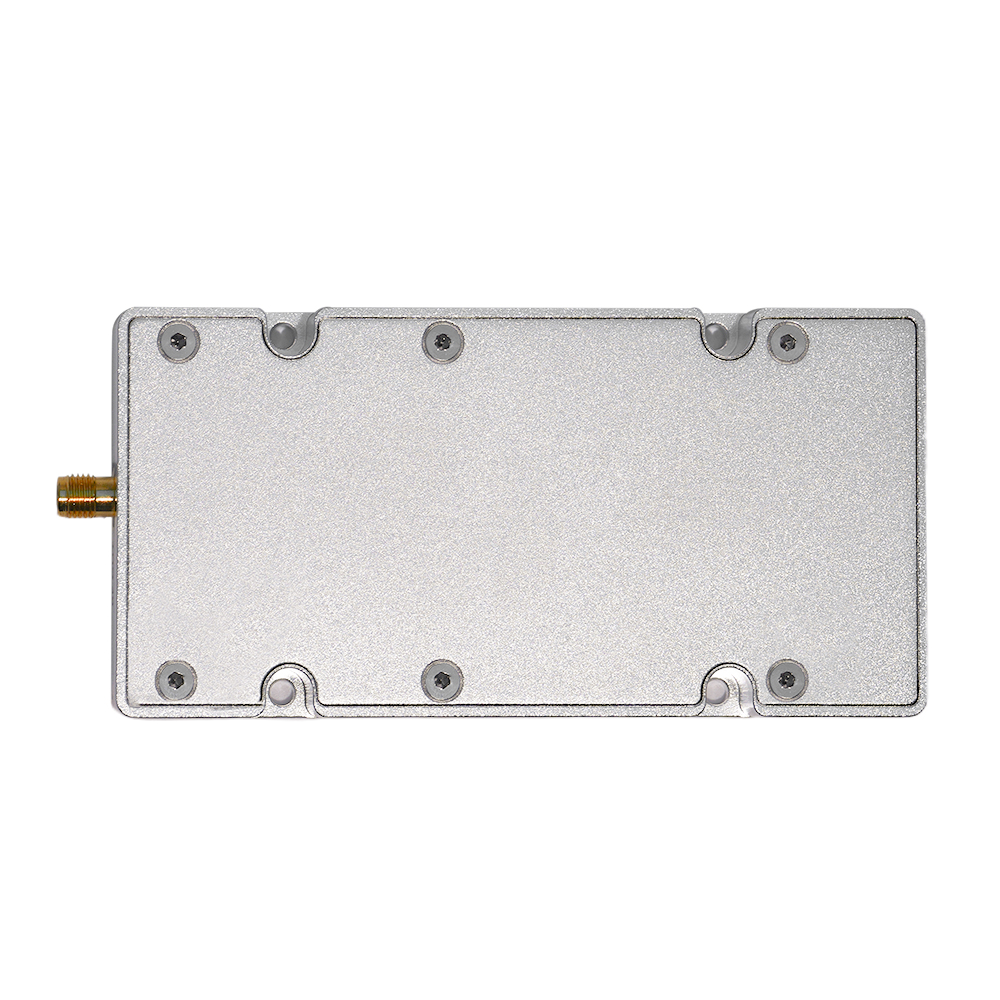
High-performance SDR cores, rugged PA modules, and precision detectors housed in CNC aluminum enclosures—engineered for real-time, low-altitude tactical airspace defense.
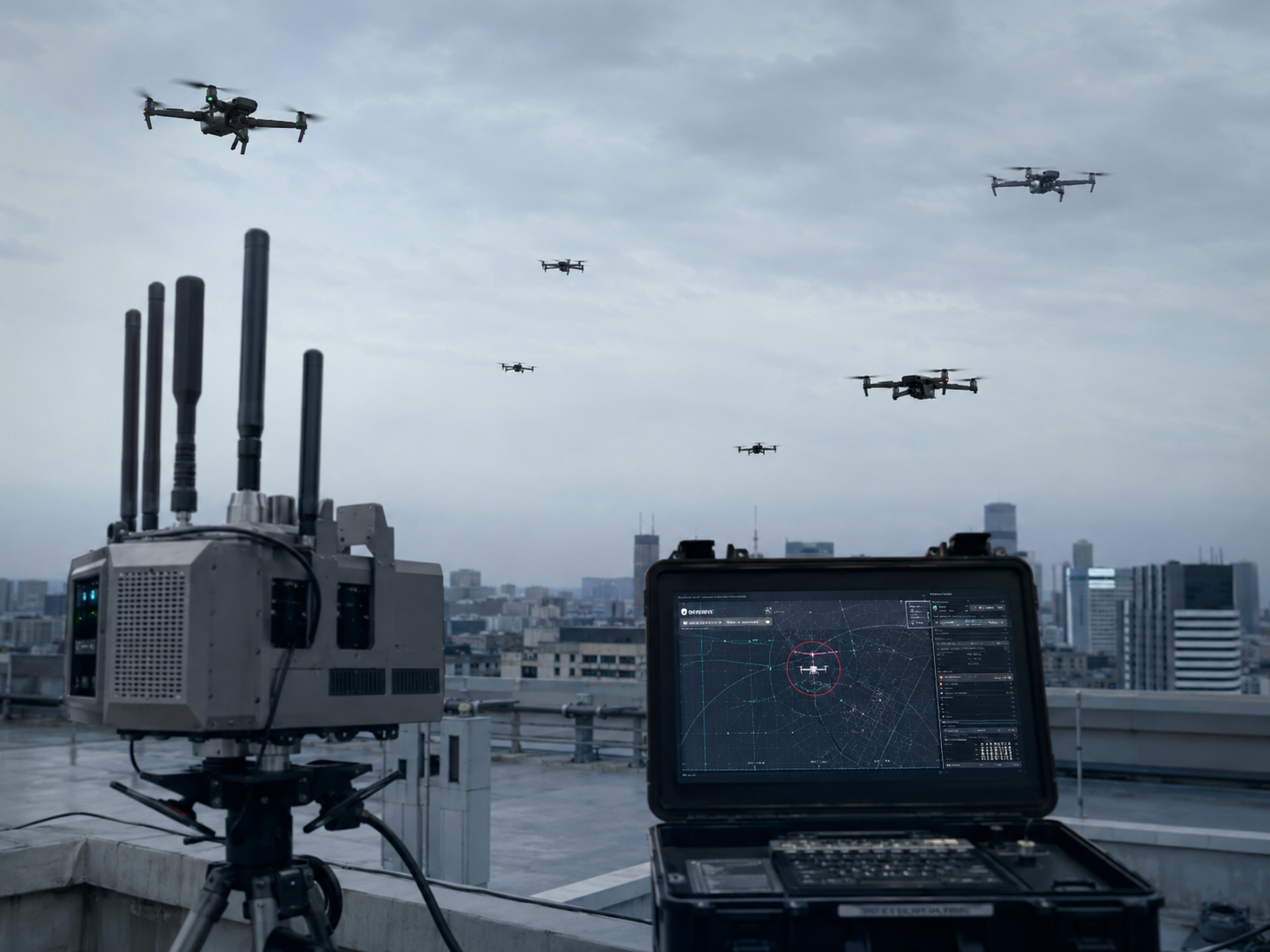
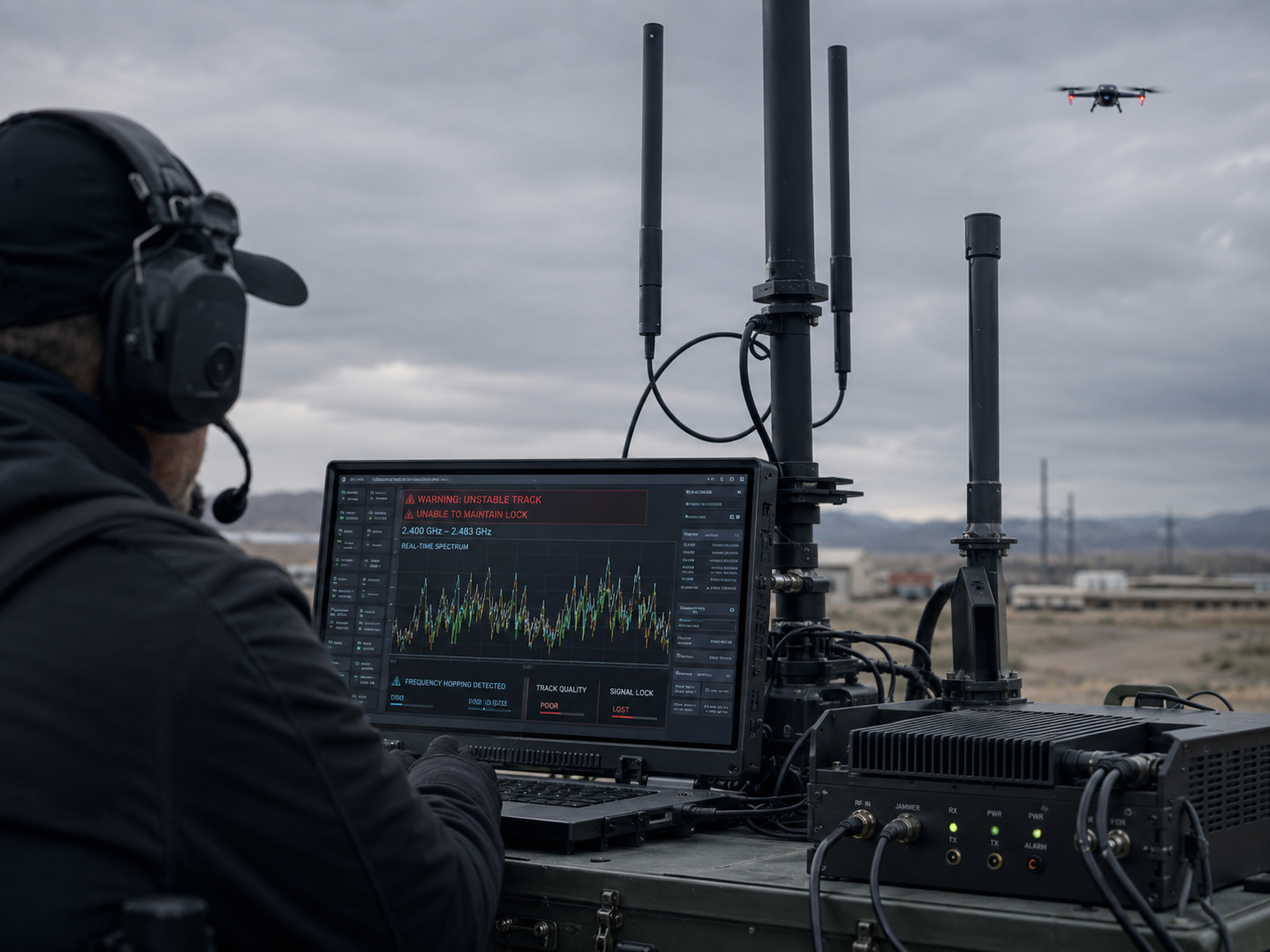
Uncompromising 100% duty cycle continuous wave output, rejecting inflated "peak power" parameters.
Hardware-level parallel processing of multiple frequency hopping protocols, eliminating single-channel congestion.
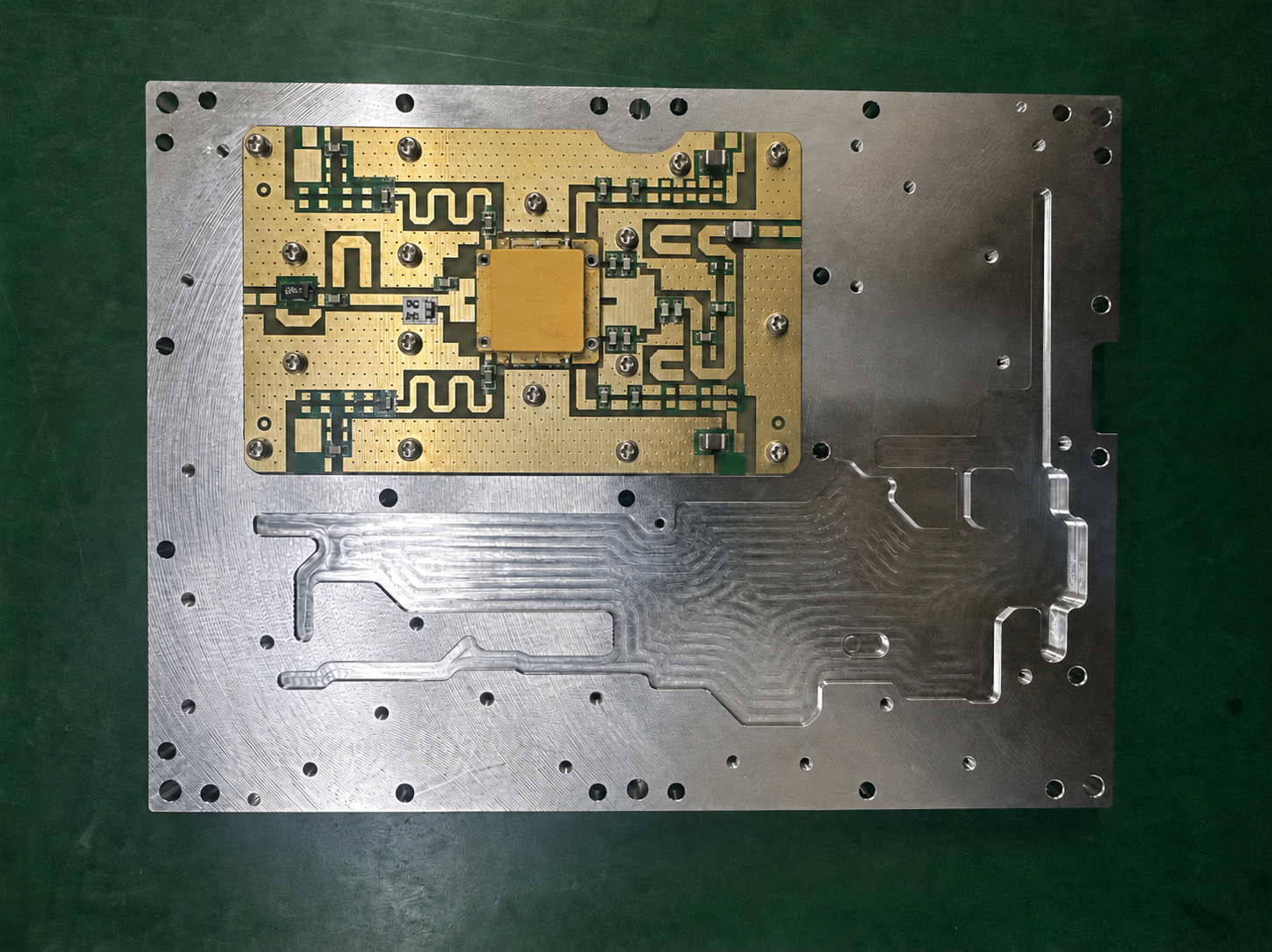
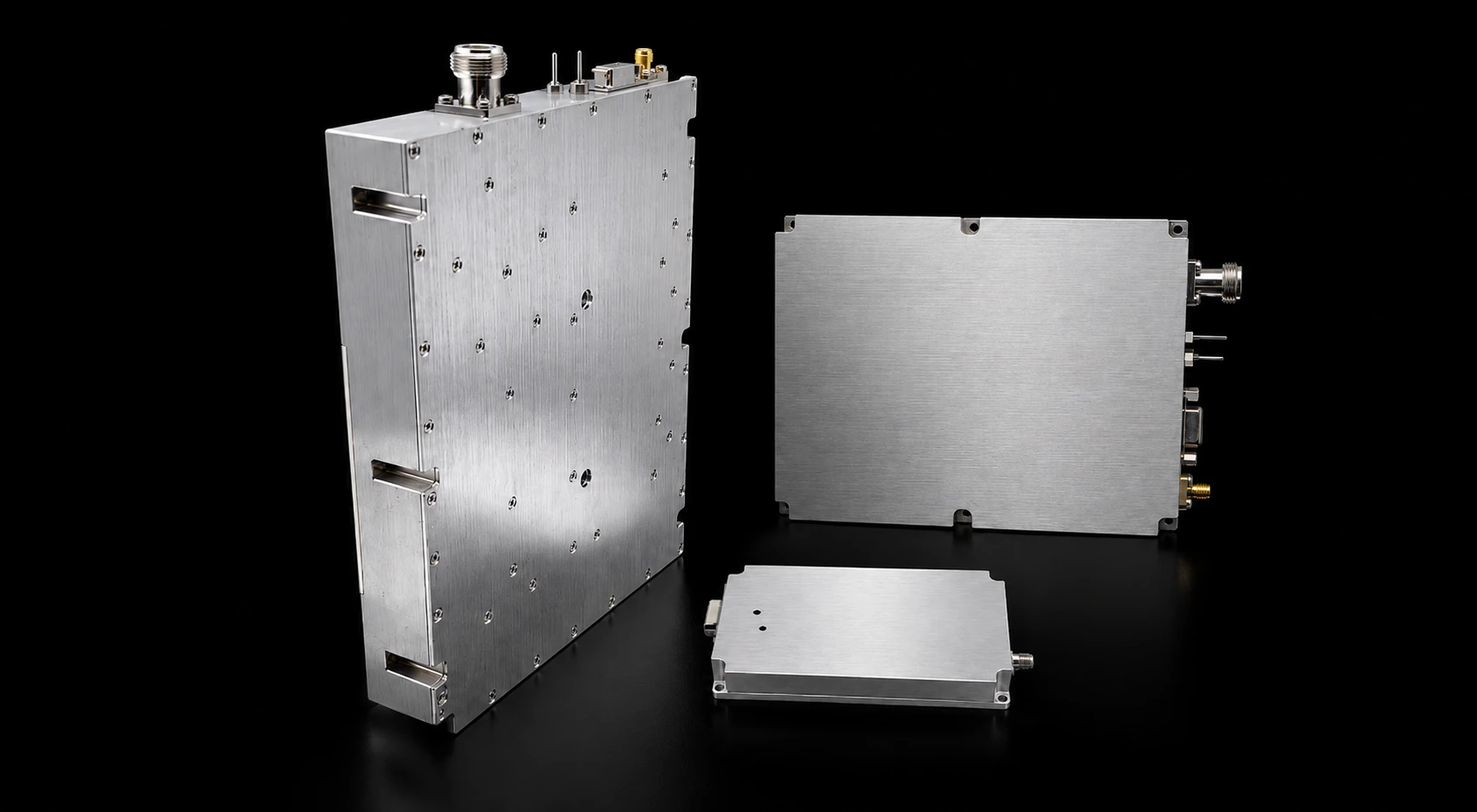
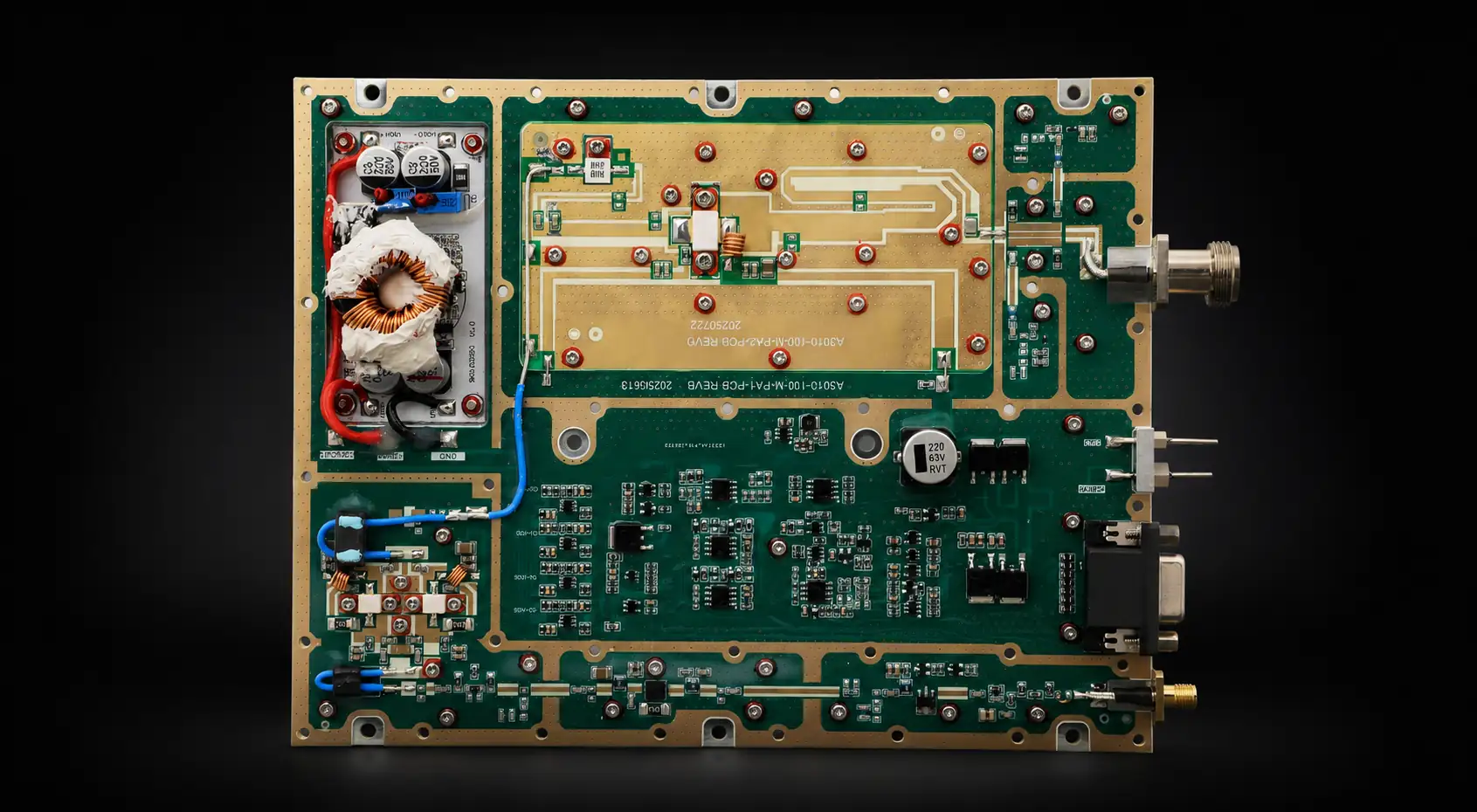
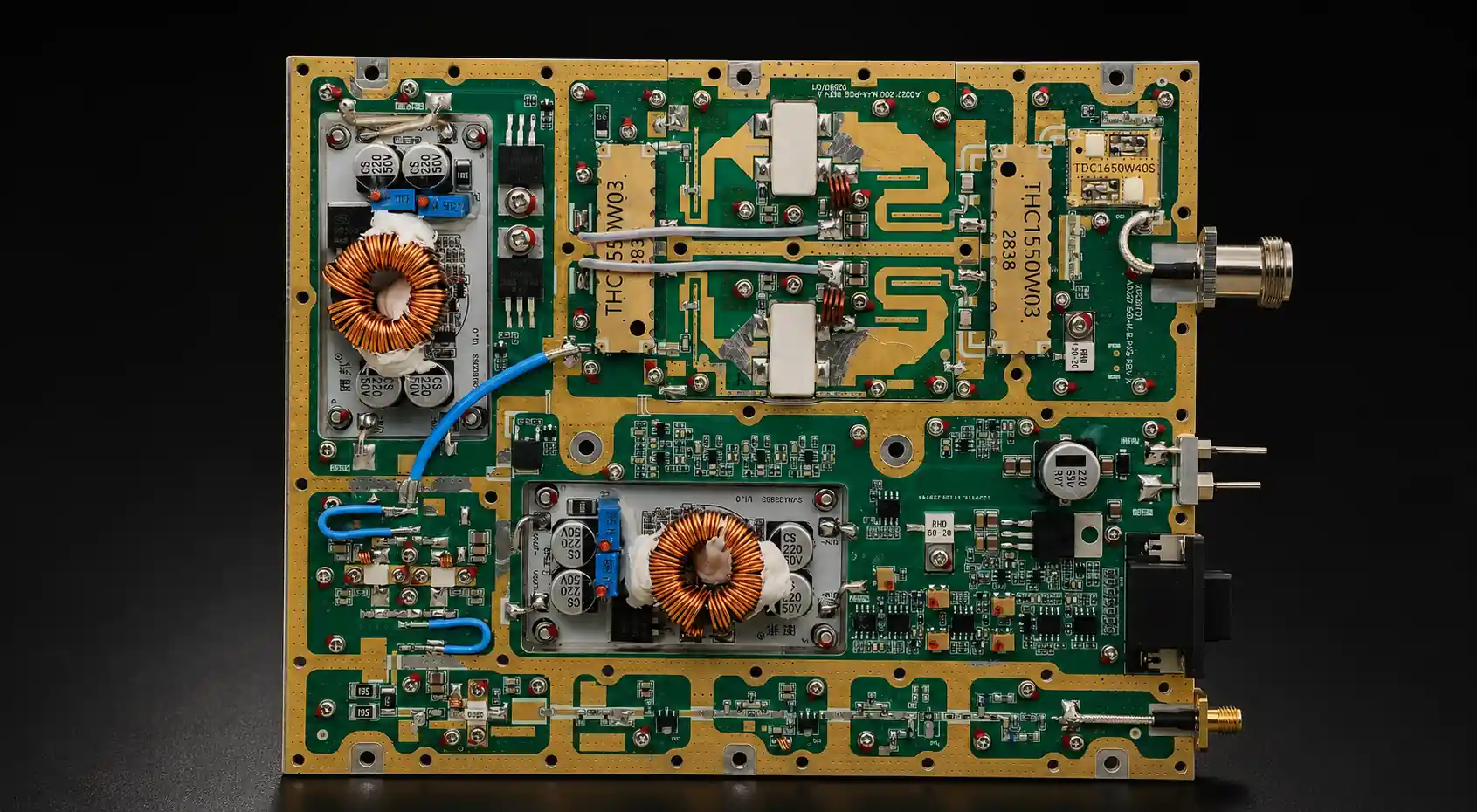
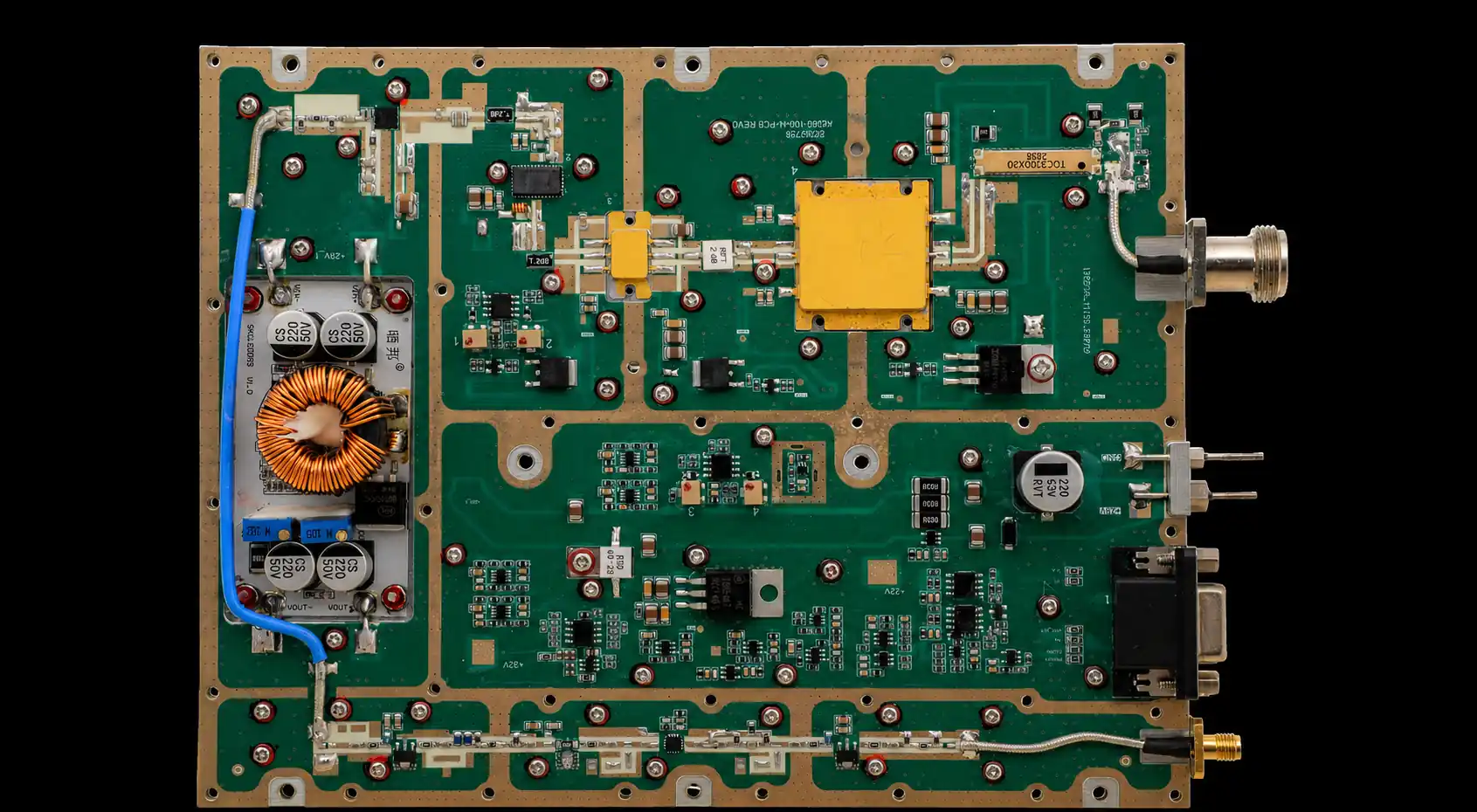
Aviation-grade aluminum solid milled shielding cavity, born to conquer extreme thermal environments.
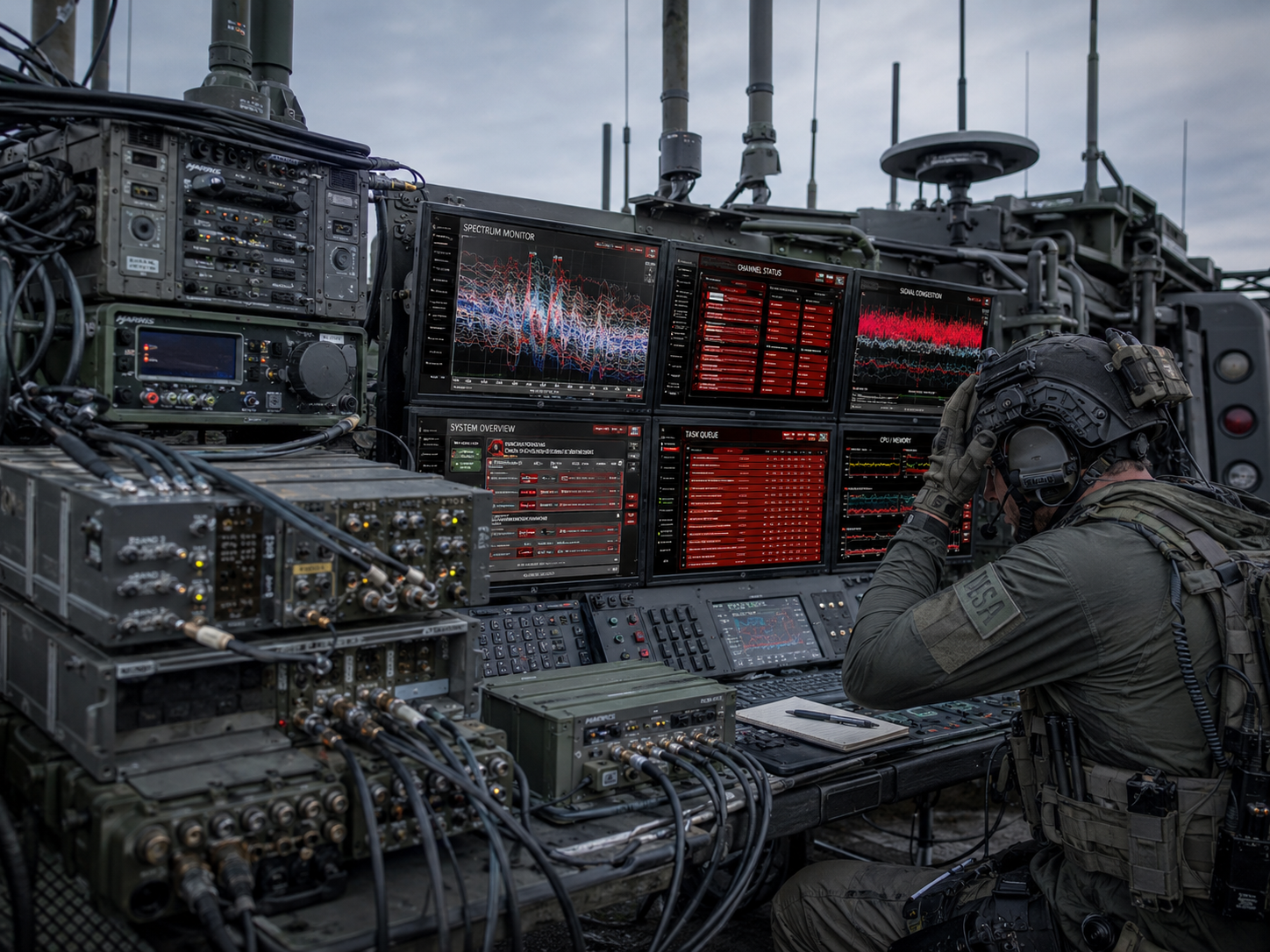
Integrators face systemic collapse threats. Leading specifications in single components are meaningless; "system-level uncertainty" is the true killer of defense missions.
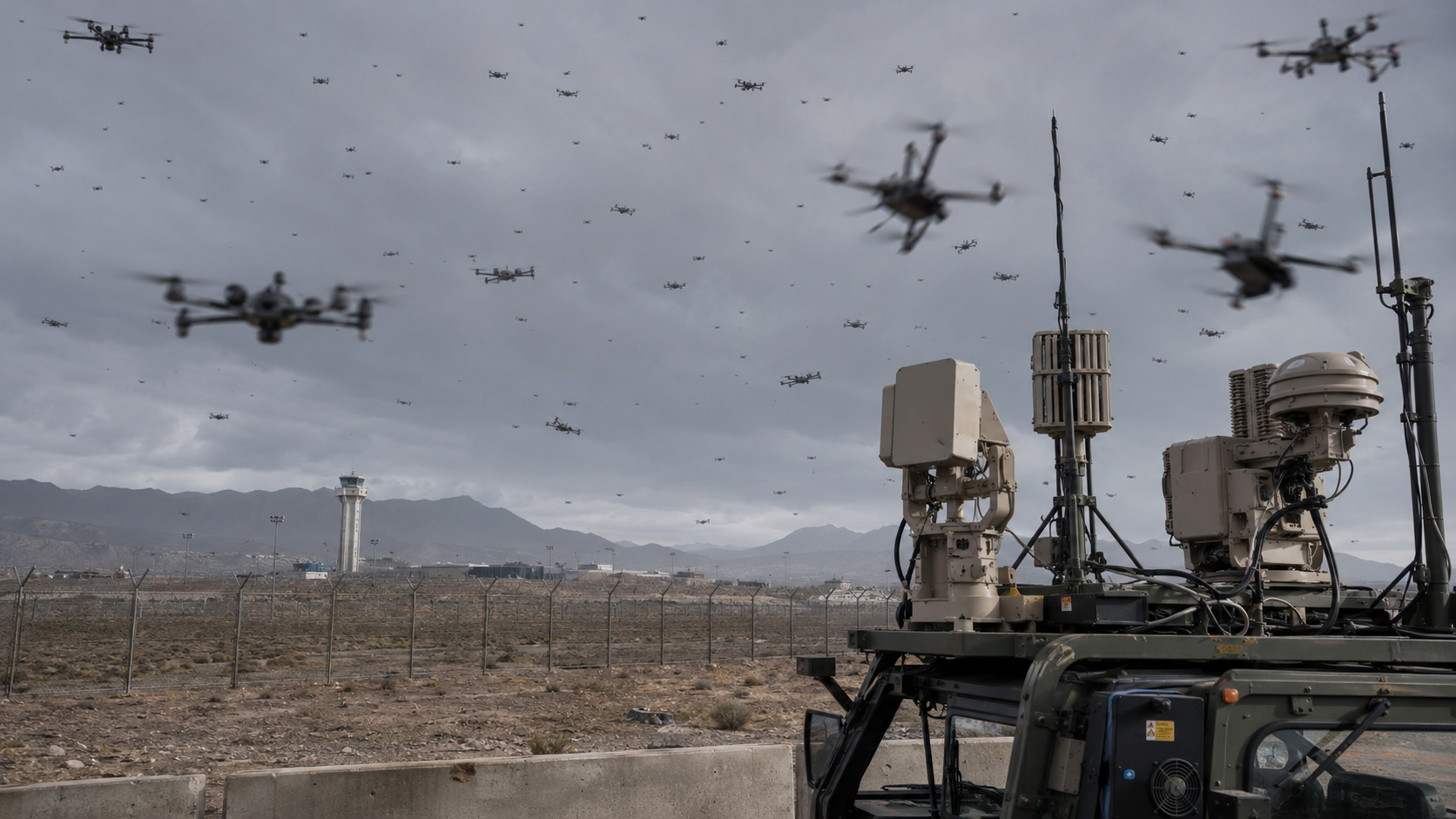
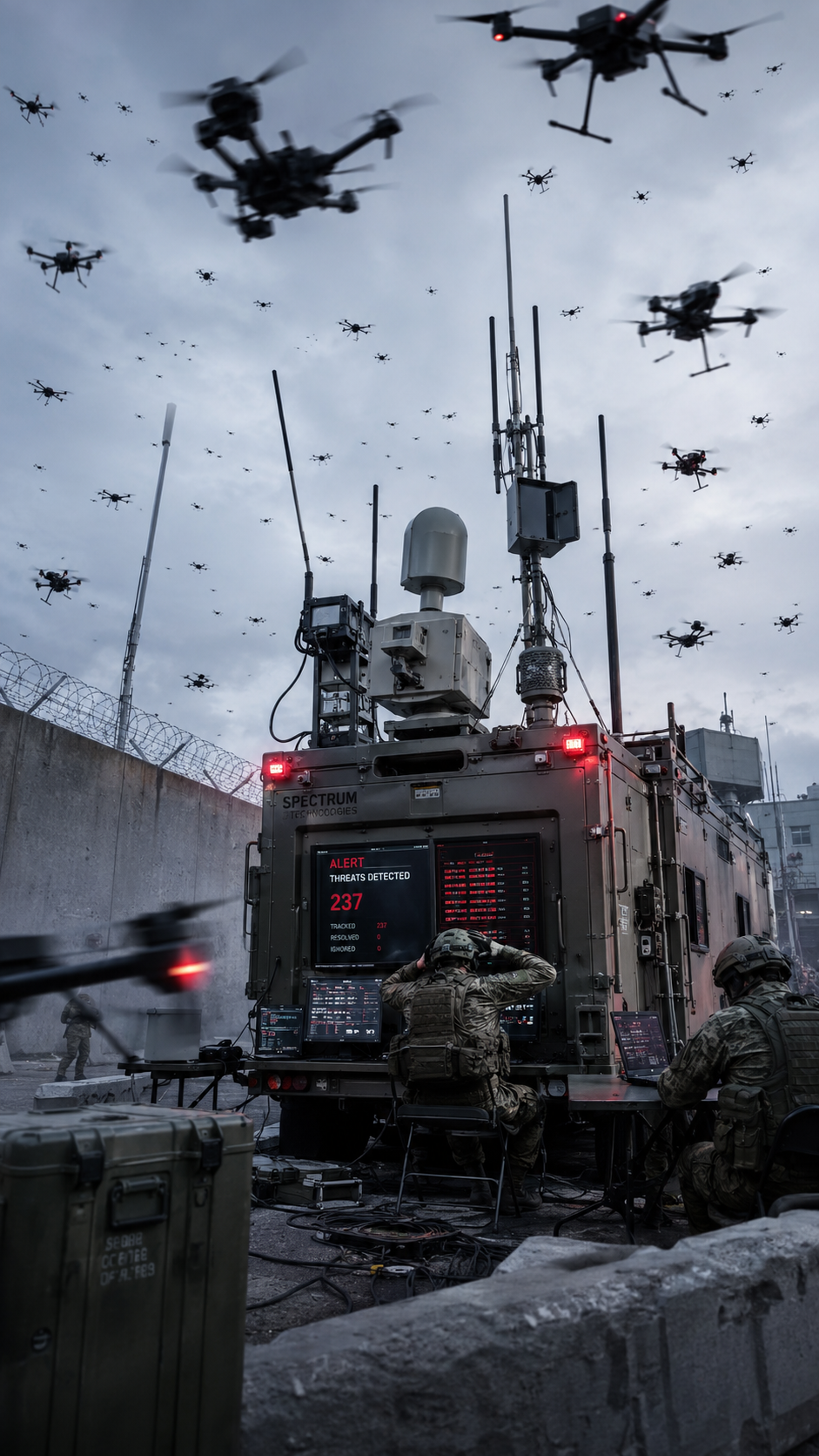
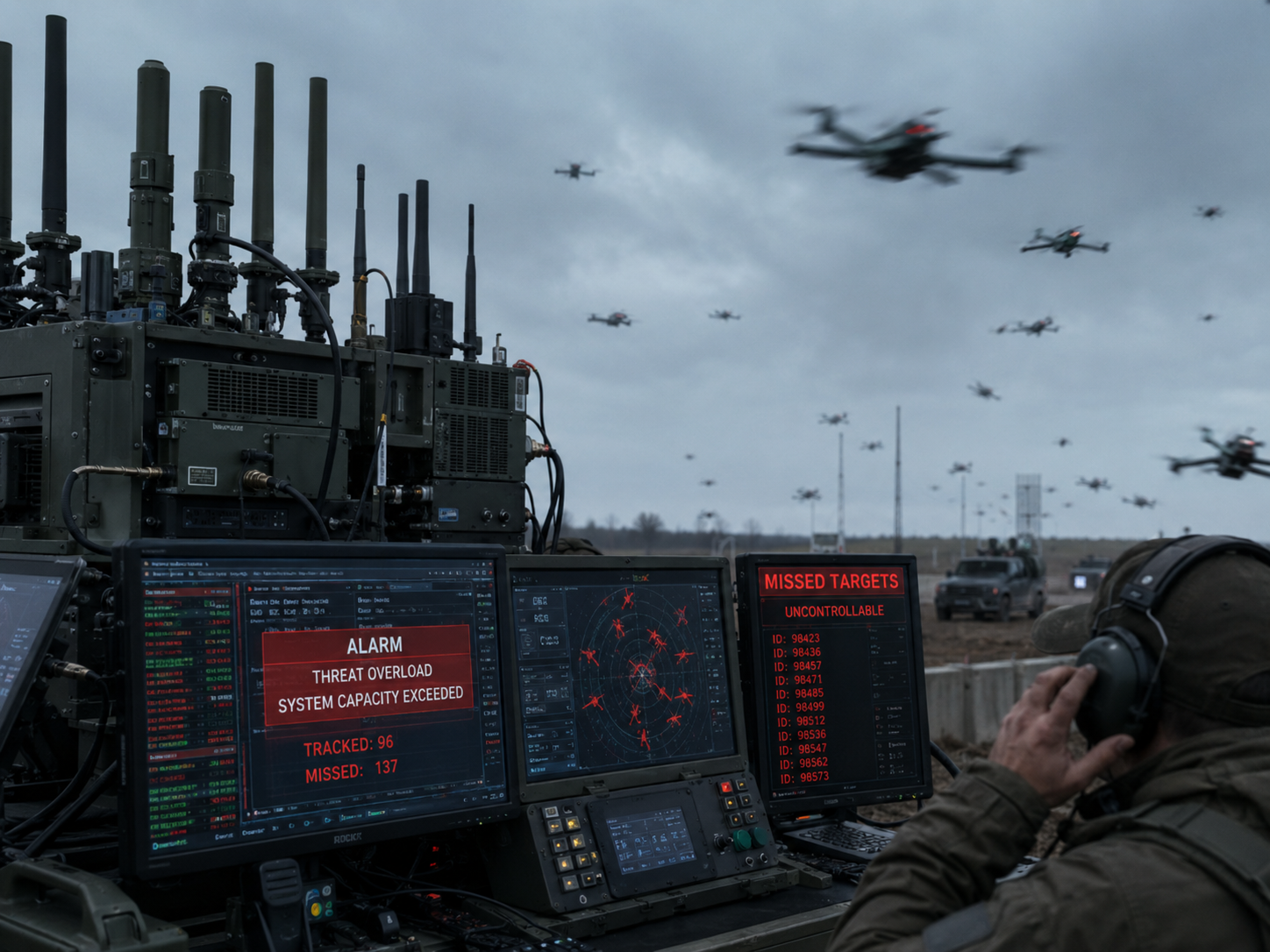
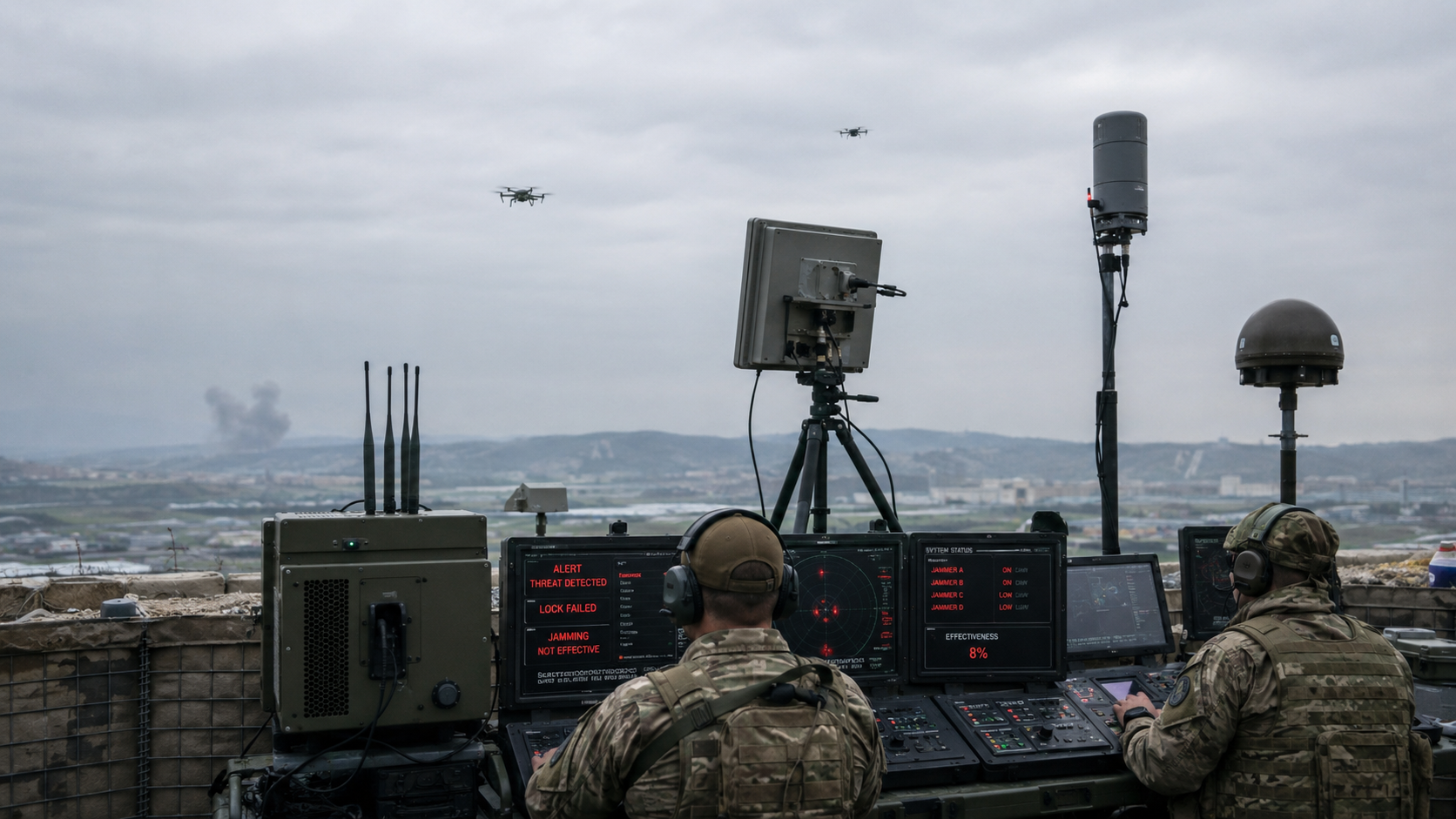
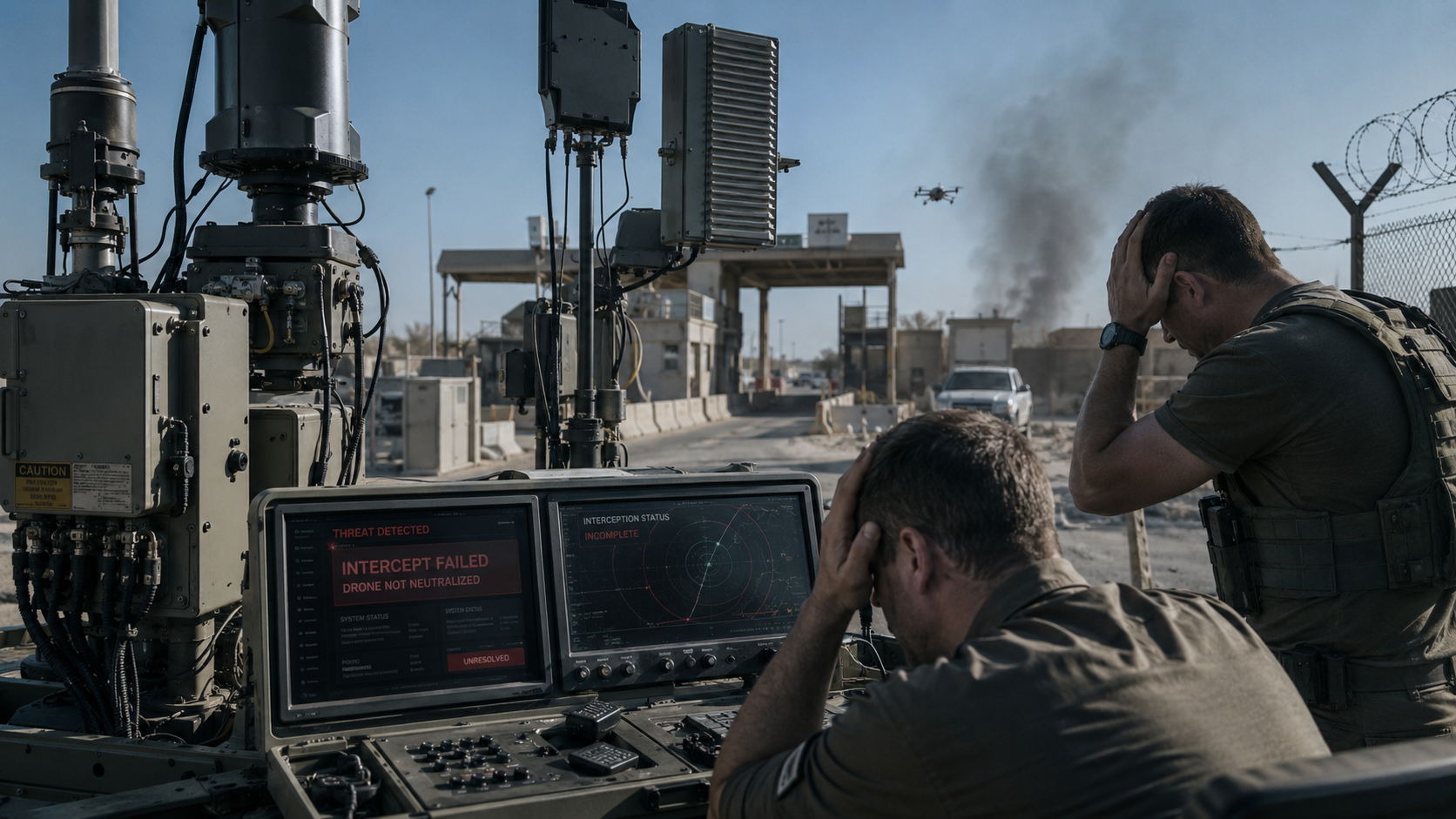
Facing swarm saturation attacks, single-channel architectures instantly overload. The system misses fatal threats in other bands while processing a single target.
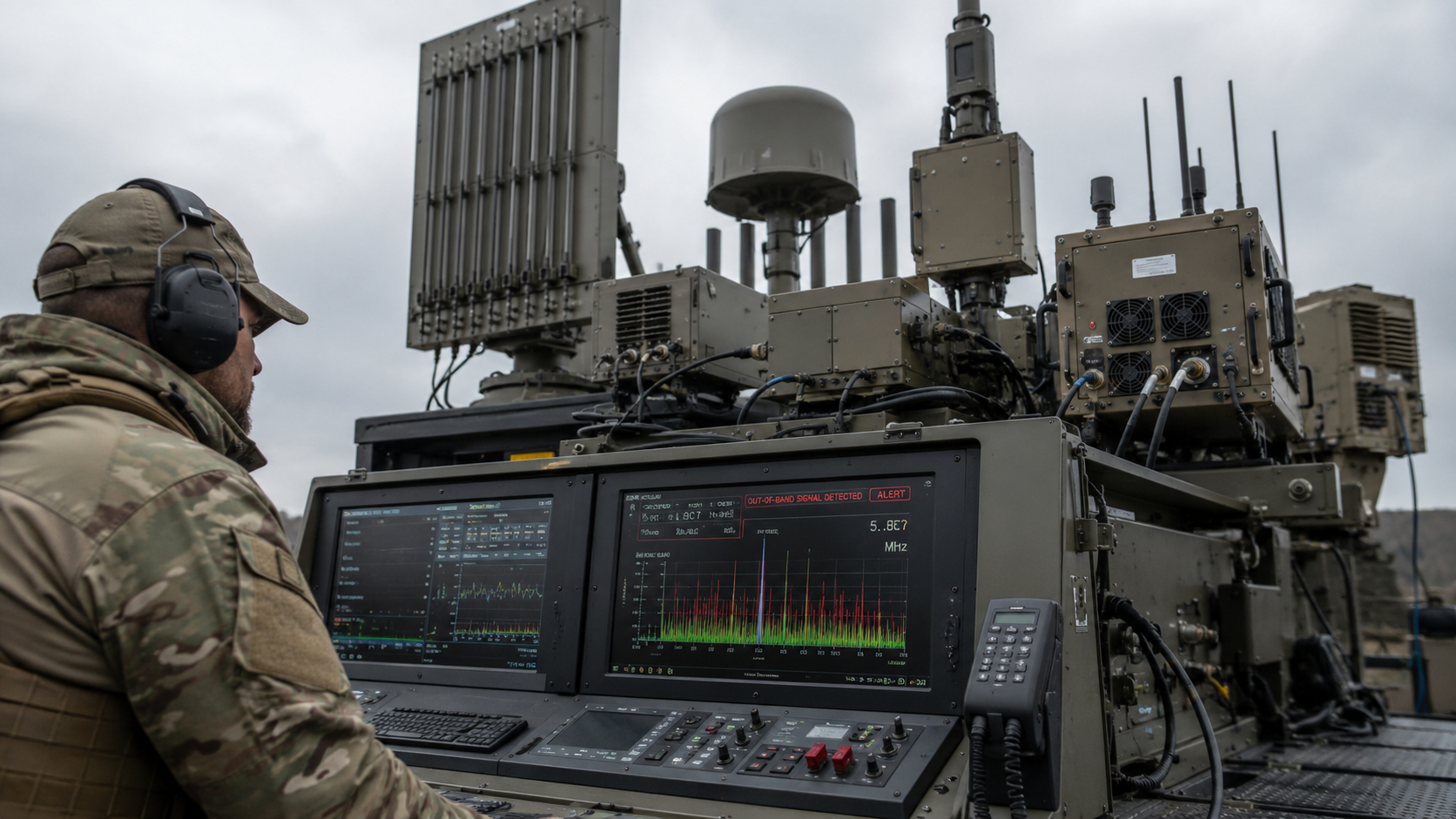
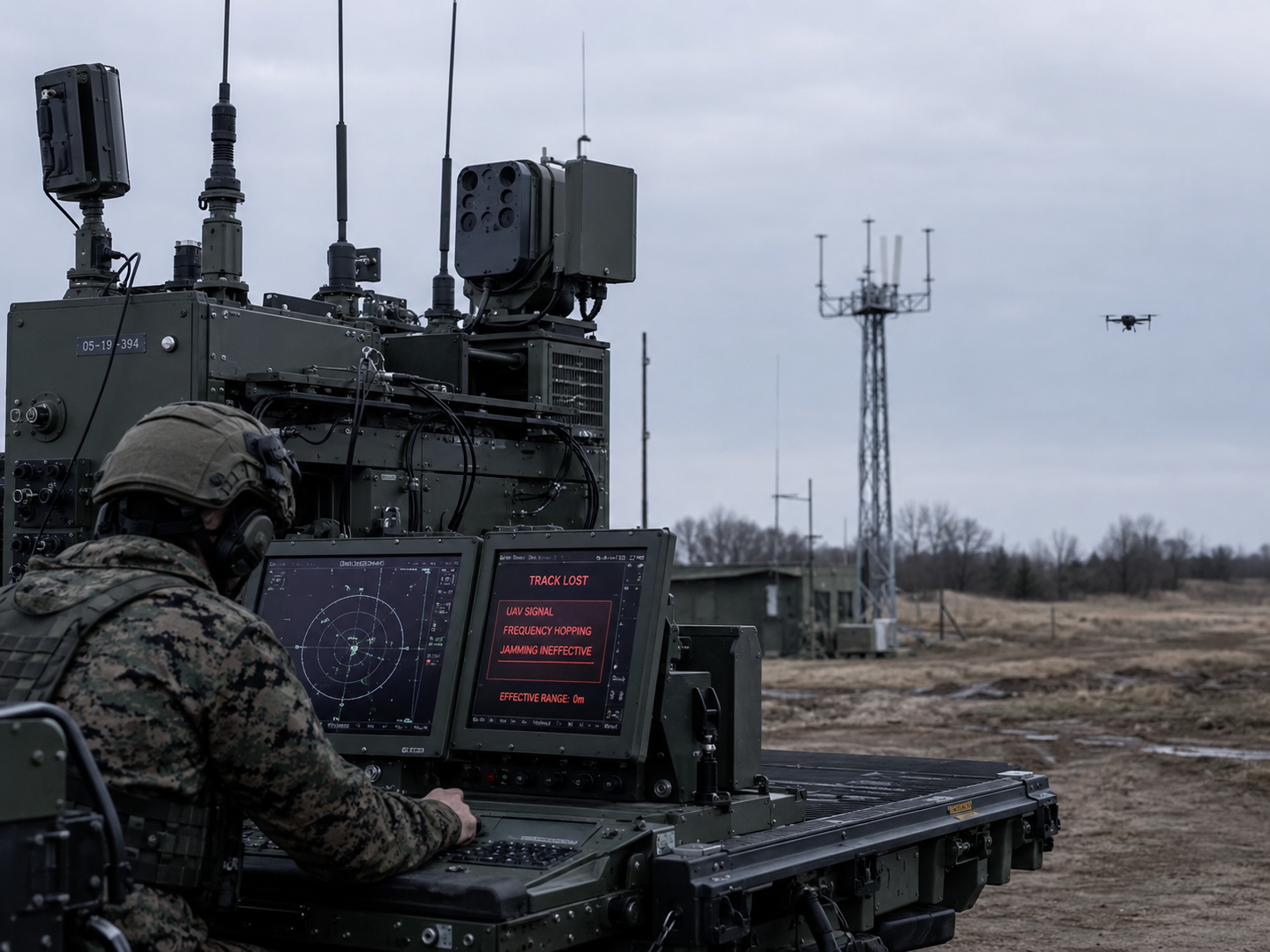
Target frequencies change extremely fast. Traditional equipment interception speeds lag behind threat evolution, drastically increasing defense blind spots and instantly dropping interception distance to zero.
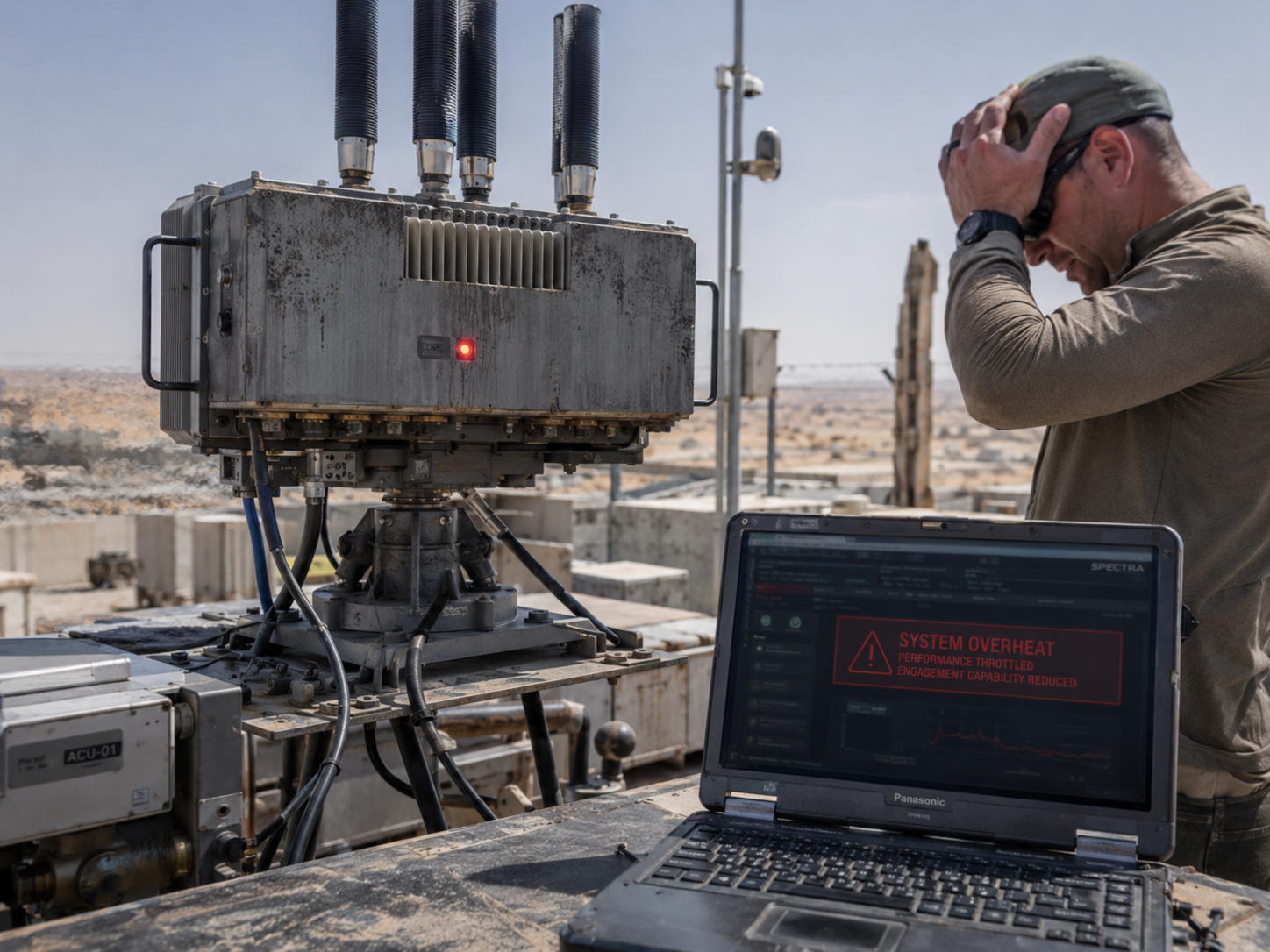
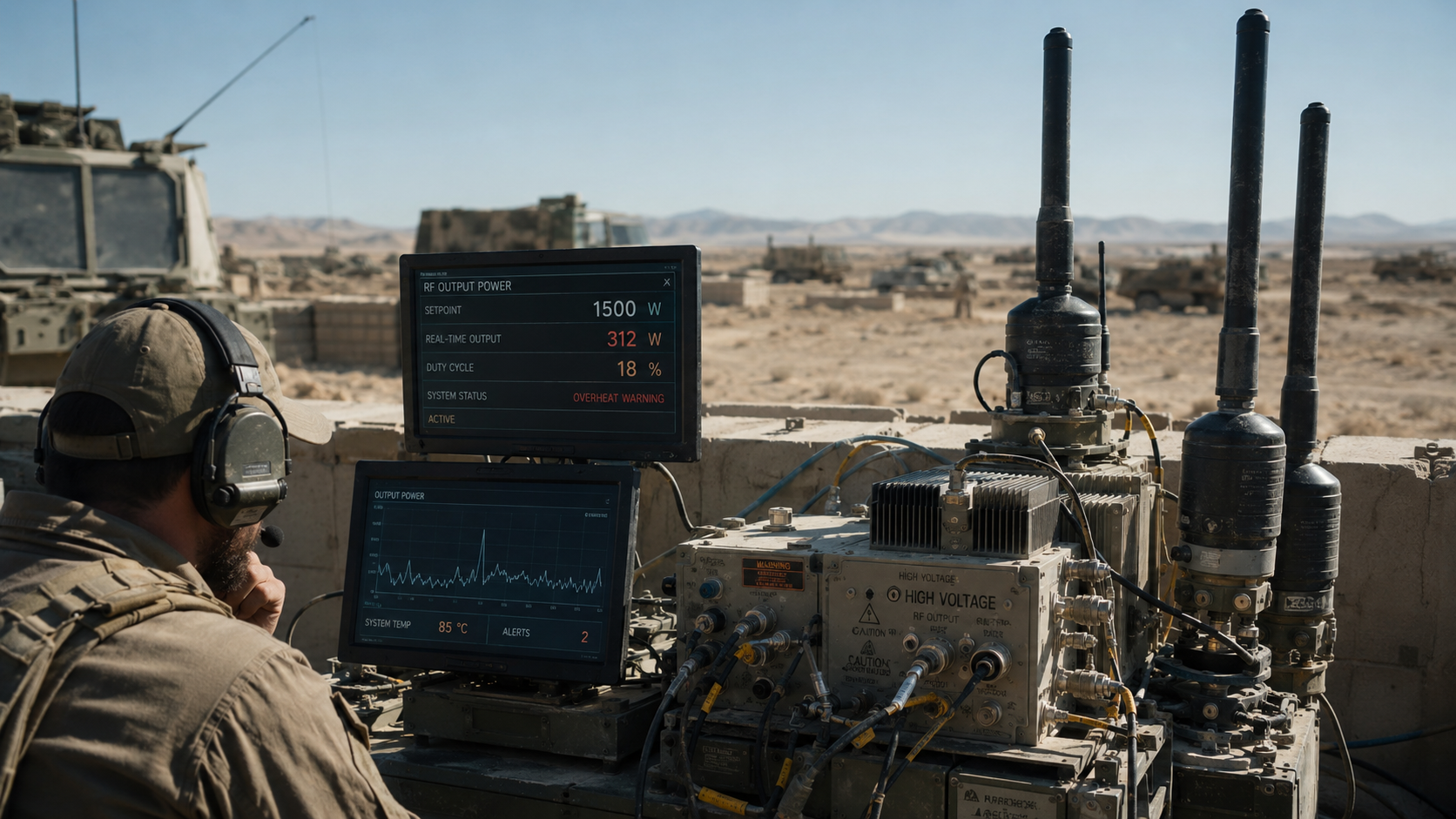
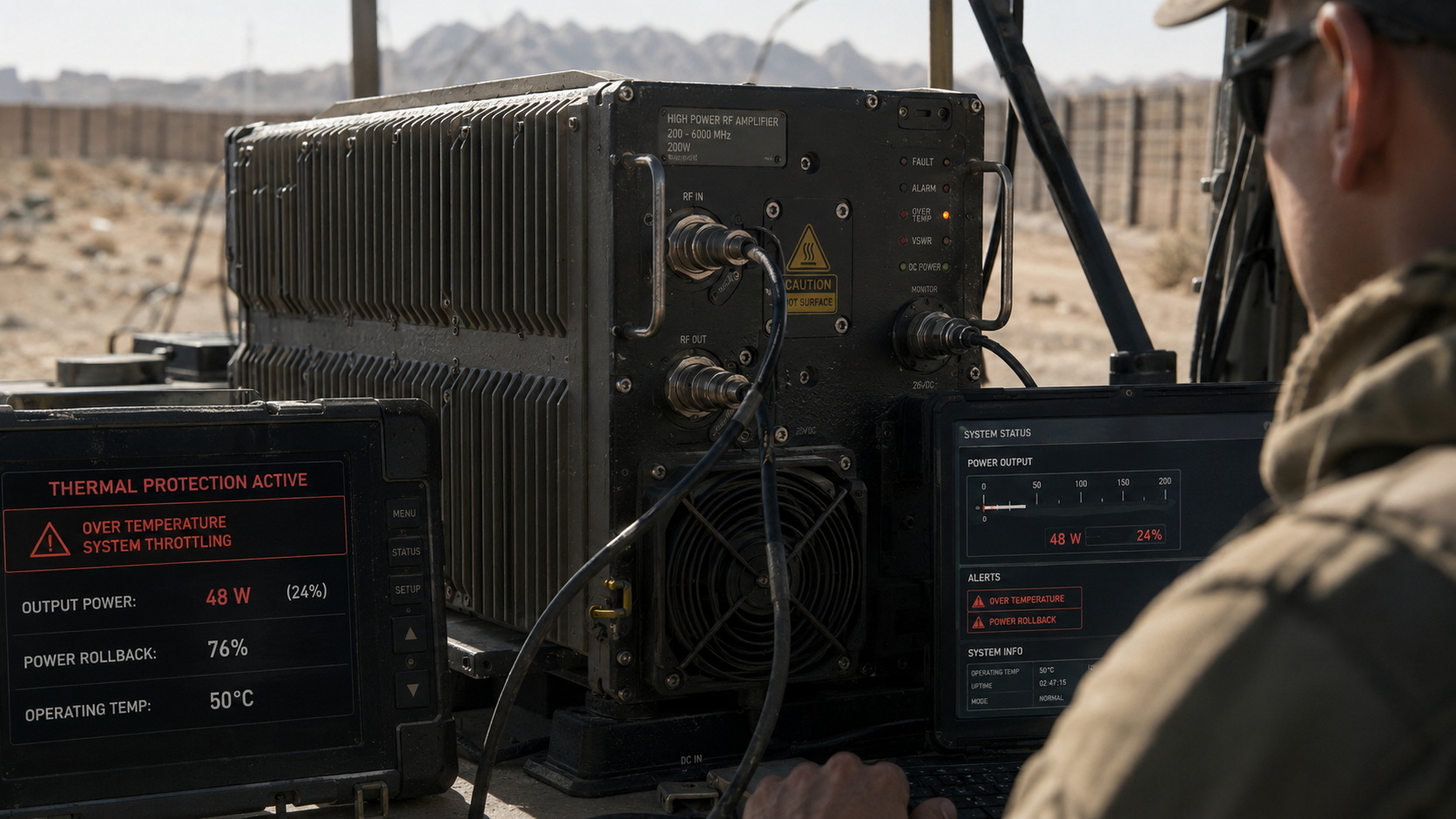
Inflated specs lead to combat "misfires." Equipment suffers thermal collapse under continuous engagement and extreme heat, causing critical defense perimeters to vanish instantly.
How to eliminate system-level uncertainty?
Explore the Breakthrough in Underlying TechnologyModern threats are no longer single-drone intrusions. FPV swarms attack simultaneously across multiple sorties and bands, pushing battlefield electromagnetic density to its absolute limit instantly.
Enemy drone groups no longer rely on a single fixed frequency. They are highly dispersed across an extremely wide spectrum (e.g., 400MHz, 900MHz, 2.4GHz) and initiate synchronized penetrations in a highly coordinated manner. Traditional localized suppression faces omnidirectional, overwhelming strikes.
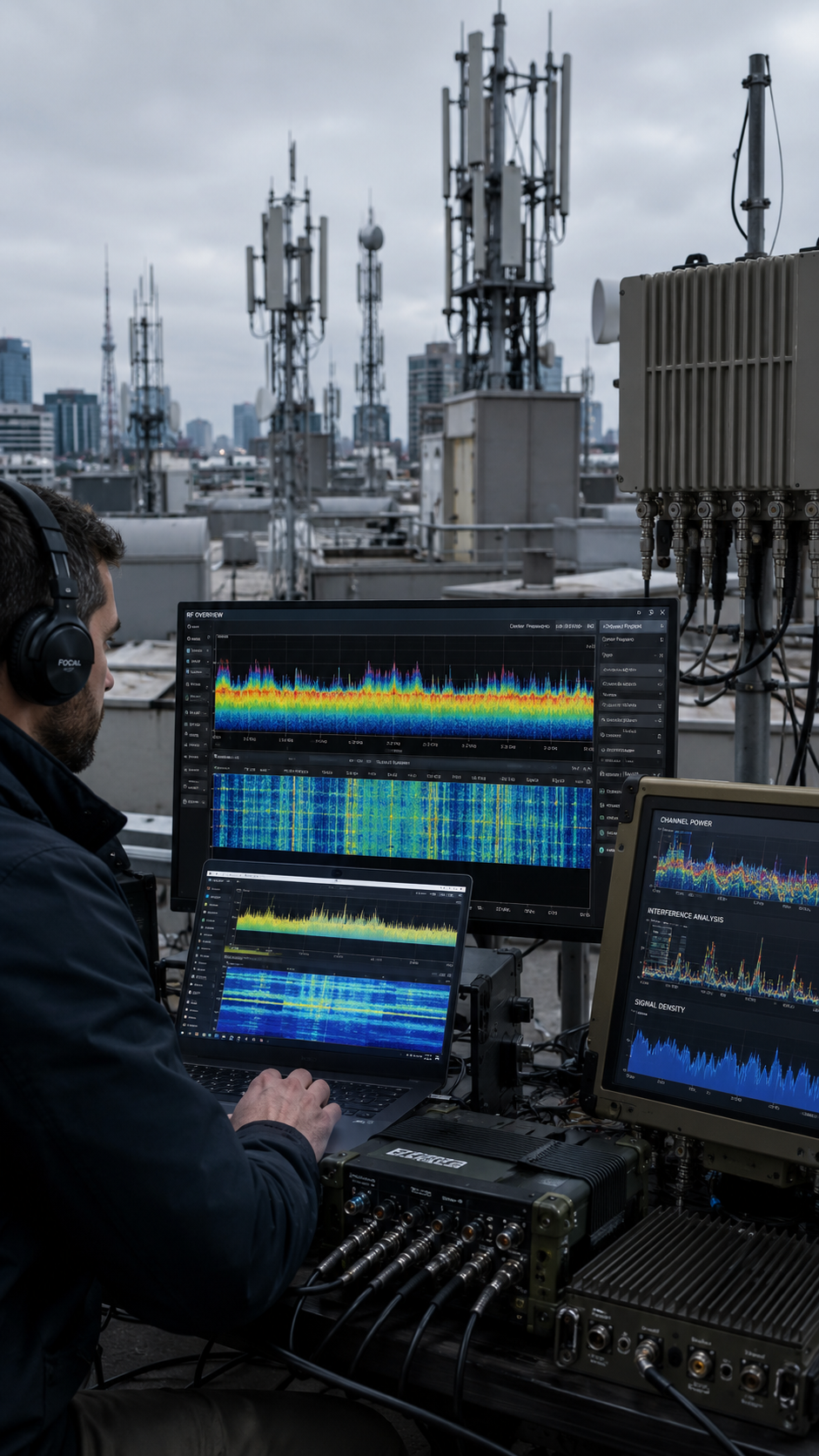
Environmental noise floors and interference signals increase sharply, requiring defense systems to maintain extremely high processing efficiency amidst massive clutter.
The traditional "detect one, process one" linear suppression logic instantly fails against swarm tactics, exposing massive air defense blind spots.
Understand how single channels break down defense lines
View Real-Combat Consequence AnalysisWhen traditional single-PHY systems struggle to process a single high-risk target, threats in other frequency hopping ranges become "unintercepted threats." The system instantly overloads, and the defense barrier collapses directly.
Computing bottlenecks of single-chip architectures cause severe task queue backlogs, plunging the system into a complete deadlock.
High-speed penetrating FPVs cross the safety red line during millisecond processing gaps, causing a substantial breach.
Full-band interception failure ultimately leads to the ground infrastructure being directly exposed to enemy fire.
Facing uncertain saturation attacks, we cut off bottlenecks with a deterministic hard-core architecture. Completely abandoning single-channel polling, dual-core parallel processing ensures every suppression is handled with ease.
Hardware utilizes a native Dual-PHY architecture design. It allows two independent RF channels to compute in complete isolation or under highly synchronized control without interference, directly uprooting the "queueing" mechanism at the hardware level.
Breaking through conventional narrowband bottlenecks in the industry, a single channel provides an ample 100MHz instantaneous bandwidth. Combined, the dual channels instantly unleash 200MHz of ultra-wideband real-time response capability.
A powerful hardware foundation allows your system to steadily lock on and execute synchronized suppression even when facing multi-target threats across an extremely wide frequency band simultaneously, constructing an absolute physical defense barrier.
Looking to integrate this capability into your air defense system?
Dual-Channel Core Module Technical WhitepaperModern drone threat frequencies hop violently between 100MHz and 6000MHz, with massive non-standard bands emerging. Traditional fixed-band defense logic has completely failed.
Target signals no longer stay within expected ISM bands; instead, they rely on complex spread-spectrum algorithms to leap at high speeds across an extremely wide spectrum.
Through modified drones or open-source protocols (like ELRS, Crossfire), enemies easily bypass the narrow frequency windows preset by traditional jammers.
Traditional narrowband analog interference sources can only blindly chase like playing "Whack-a-Mole," which not only consumes extremely high transmission power but yields minimal results.
Understand the catastrophic consequences of frequency deviation
View Interception Failure AnalysisAgainst frequency-hopping targets, precision is everything. If interference energy cannot accurately lock onto the target frequency, all hardware investments vanish into thin air.
Even a mere 1MHz frequency deviation causes the vast majority of RF output power to hit useless noise floors, completely failing to form effective suppression on the target receiver.
Due to the inability to lock frequencies, the nominal 1.5KM safe interception distance drops to zero instantly. Enemy aircraft enter as if traversing uninhabited land, reaching the core area directly.
The defense system downgrades from active "Area Denial" to a mere decoration, subjecting integrators to severe terminal customer doubts regarding system capabilities.
How to ensure equipment always catches up with the latest frequency protocols?
Learn About SDR Protocol-Level Suppression TechnologyFighting code with code. Based on Software Defined Radio (SDR) architecture, we achieve a dimensional leap from "blind noise floor" to "precise protocol parsing," endowing the equipment with an endlessly self-evolving capability.
Completely eliminating inefficient sweeping and analog broadband. The equipment natively parses and specifically suppresses dozens of mainstream and open-source protocols like ELRS, Ocusync, and Crossfire, achieving ultimate energy utilization.
Facing new protocols that may appear on the battlefield tomorrow, there's no need to return to the factory to replace hardware. Simply import the latest .cs16 custom interference code file via USB, and the system instantly acquires new capabilities.
Because the interference signal and the target communication protocol achieve perfect "meshing" in time and frequency, under the same output power, the SDR architecture can increase the actual effective interception radius by at least 30%.
Ready to upgrade your interference engine?
Get SDR Module Technical ManualThe industry is flooded with false labels of "peak power." To cater to buyers' blind pursuit of "thinness and lightness," some equipment severely sacrifices heat dissipation and physical endurance.
High power on most spec sheets can only be maintained for a few seconds in constant-temperature air-conditioned labs. Once in real combat environments, these numbers instantly become waste paper.
After just 10 minutes of continuous operation in a 50°C outdoor sun-exposed environment, the amplifier module is forced to downclock and reduce power due to overheating, instantly halving output capability.
Cutting corners on cooling fins and casing thickness for lightweight design makes the equipment fundamentally unable to withstand long-term mission loads and harsh weather corrosion.
Understand how thermal collapse destroys the entire defense line
View Real-Combat Misfire AnalysisThe system fails due to overheating during long continuous engagements, or abnormal VSWR caused by antenna damage ultimately burns out core components directly, leading to an irreversible tactical disaster.
Core amplifiers drastically cut power due to heat accumulation. The originally promised defense perimeter shrinks inward rapidly like a deflated balloon, surrendering the target.
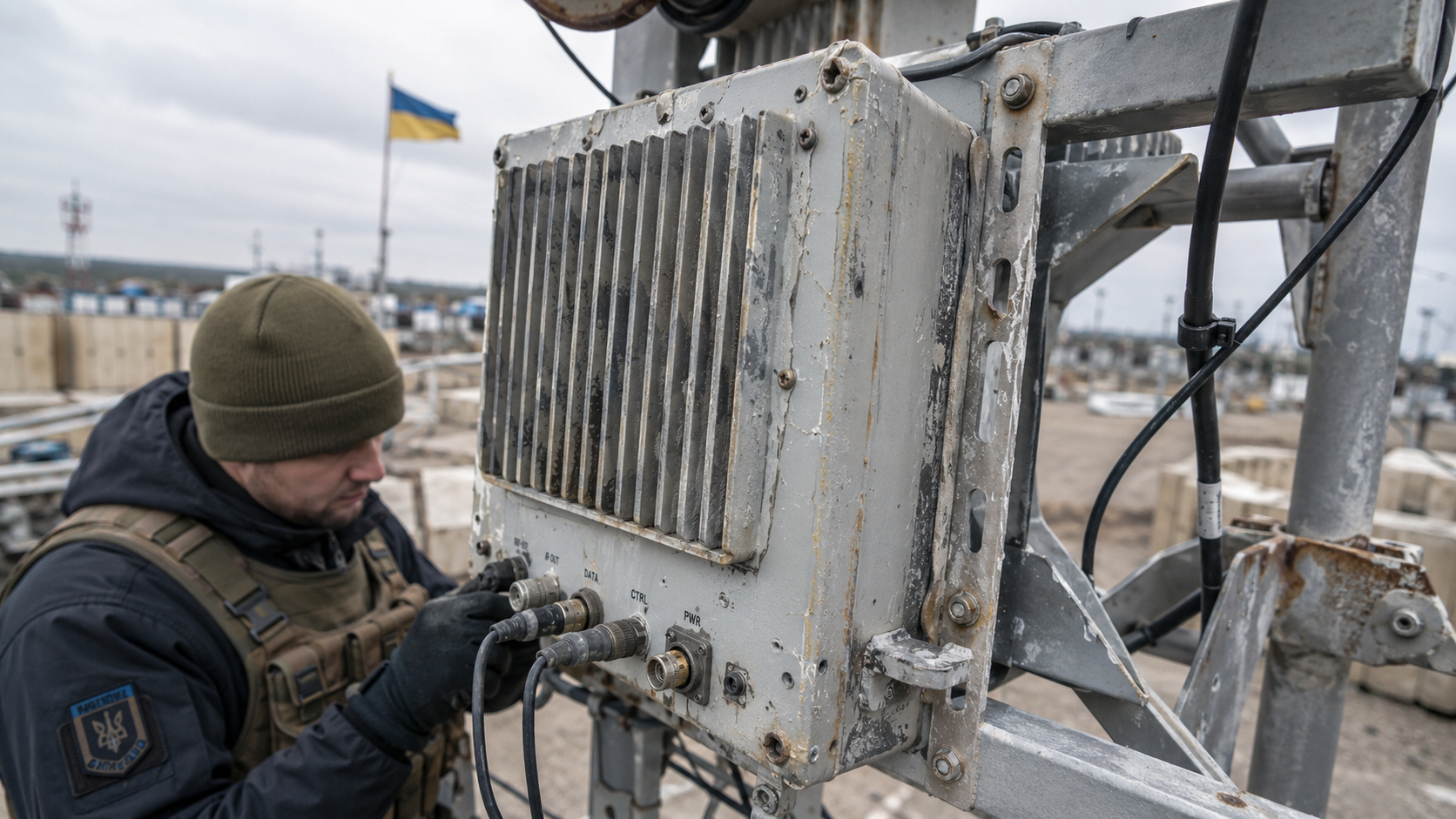
Combat bumps lead to antenna damage or impedance mismatch. Modules lacking low-level protection absorb massive reflected power instantly, burning straight through the motherboard.
When a defense mission misfires at the most critical moment, integrators lose not just hundreds of thousands in hardware costs, but the eternal trust of terminal customers, even facing severe project claims.
Your project absolutely cannot afford a single power outage
Build an Indestructible Physical FoundationWe refuse word games. Our amplifier components ensure pure, continuous thrust under a 100% duty cycle, maintaining composure in harsh environments.
From tactical manpack modules to heavy-duty vehicle-mounted units, every model provides uncompromising continuous Psat output, supporting 24/7 uninterrupted full-load operations.
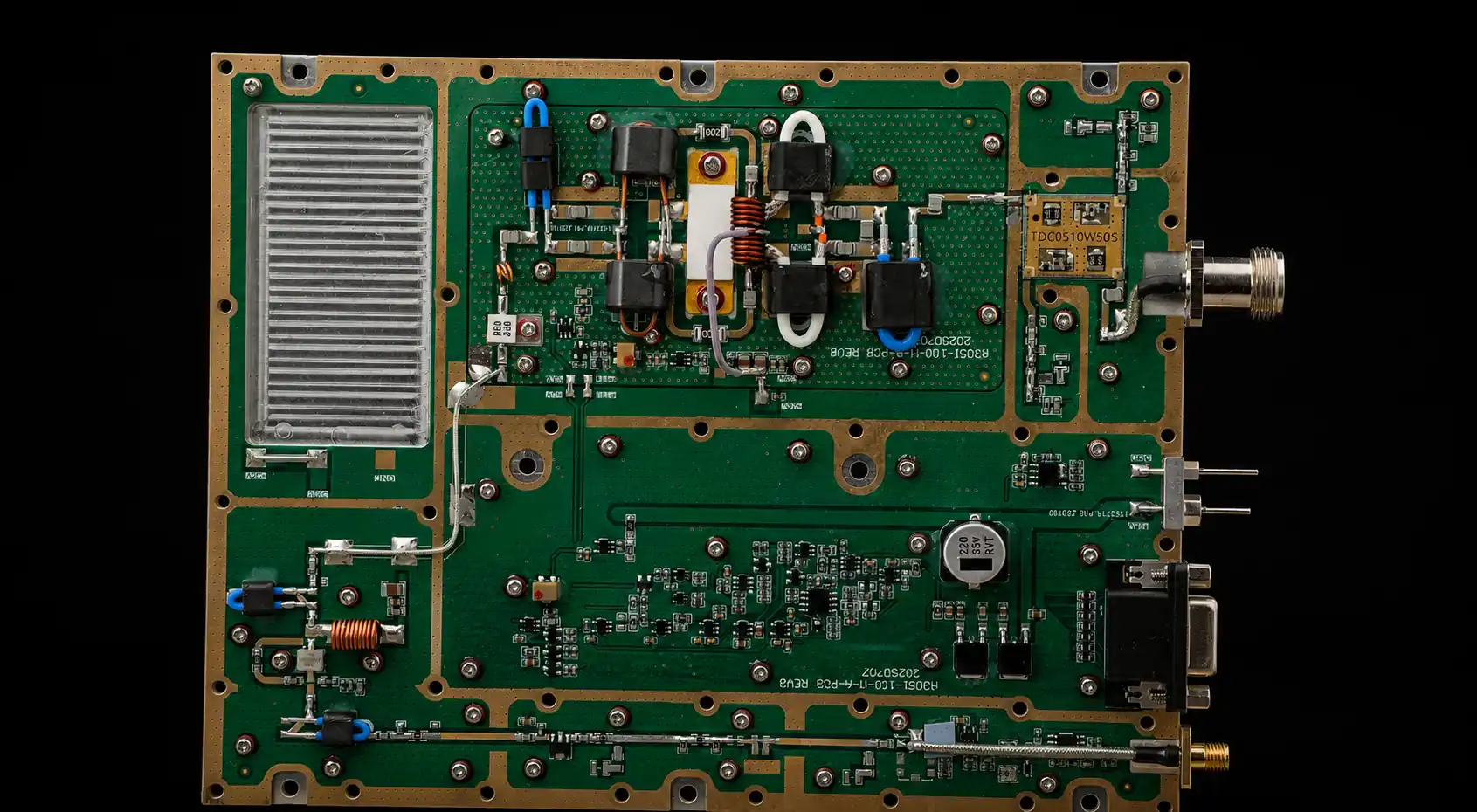
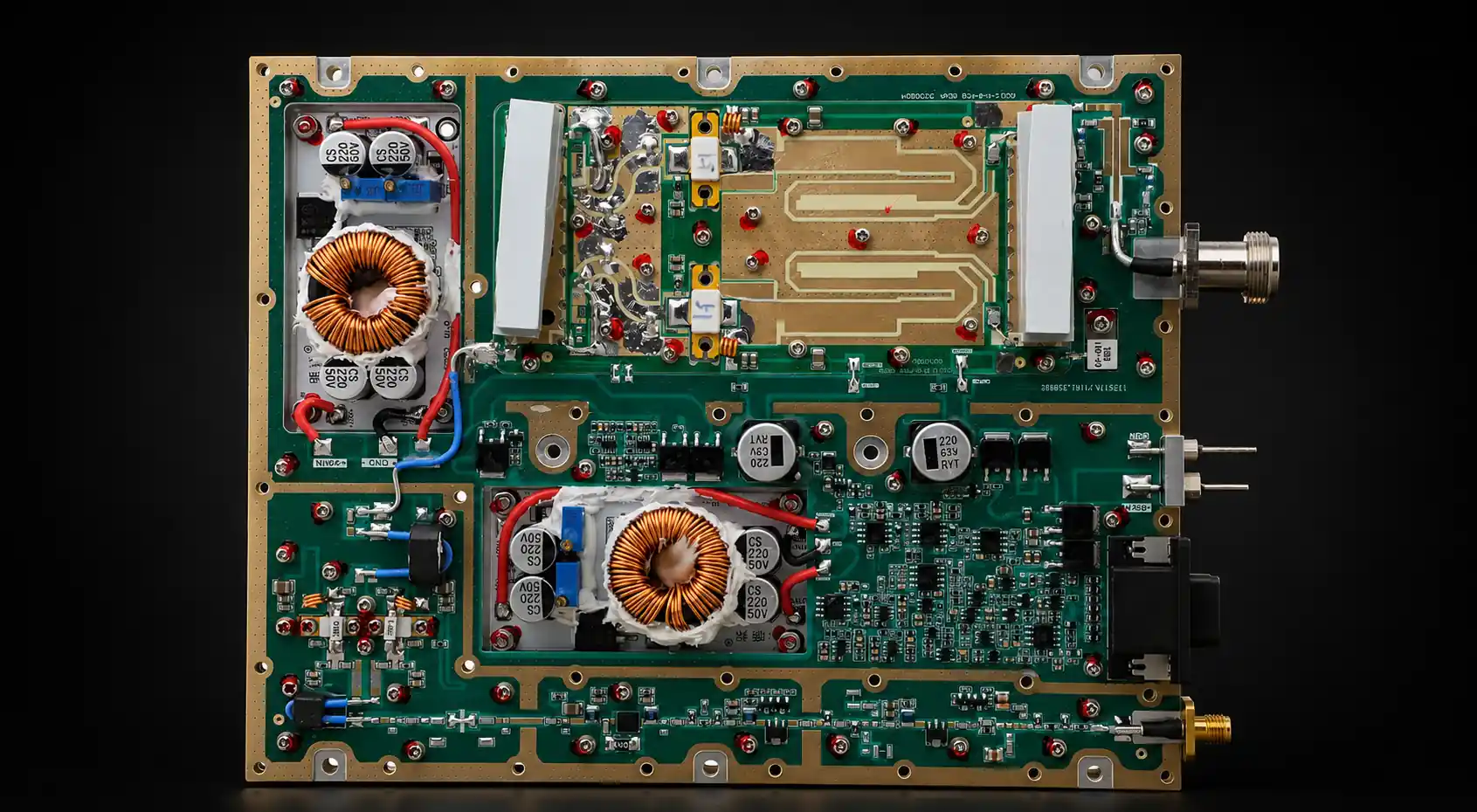
Utilizing top-tier RF transistors paired with heavy-duty integrated CNC cooling casings, maintaining high power conversion efficiency within an operational temperature range of -40°C to +60°C (Storage: -55°C to +85°C).
Smart protection logic detects antenna anomalies or temperatures soaring to 80°C, cutting off output in milliseconds, eliminating all fire and burn-through hazards.
Actively isolates when encountering voltage fluctuations or short-circuit impacts, automatically restarting to resume missions once the environment normalizes.
Crush all uncertainties with absolute physical parameters
C-UAS Amplifier Detailed SpecsAs a source factory, we fully standardize all hardware low-level interfaces. From power logic to software commands, allowing integrators to complete the system puzzle in the shortest possible time.
Whether it's the SDR core, high-power amplifiers, or detectors, all components align with a 24V-32V (28V nominal) DC input, completely eliminating complex internal DCDC conversion needs and failure points.
Discard obscure low-level code. The entire series supports sending clear standard control commands like AT+FREQ, AT+BW via an industrial RS422 bus, shortening software integration time from months to 3 days.
Natively supports serial deployment of up to 10 units. Through daisy-chain networking logic, integrators can easily expand a manpack defense unit into a massive position defense network covering several kilometers.
Excellent design relies on rigorous manufacturing and extreme verification. We refuse outsourcing, keeping core processing and testing completely in-house. Every module cavity is precision-milled from solid blocks of aviation-grade aluminum on our 5-axis CNC machines. This guarantees not only a tank-like physical structure, but also perfect internal Electromagnetic Interference (EMI) shielding to eliminate crosstalk during multi-module integration.
Frequency: 15Hz~2000Hz, PSD=0.04g²/Hz. Subjected to 2 hours of continuous vibration testing across X, Y, and Z axes to guarantee structural integrity of RF connectors and solder joints.
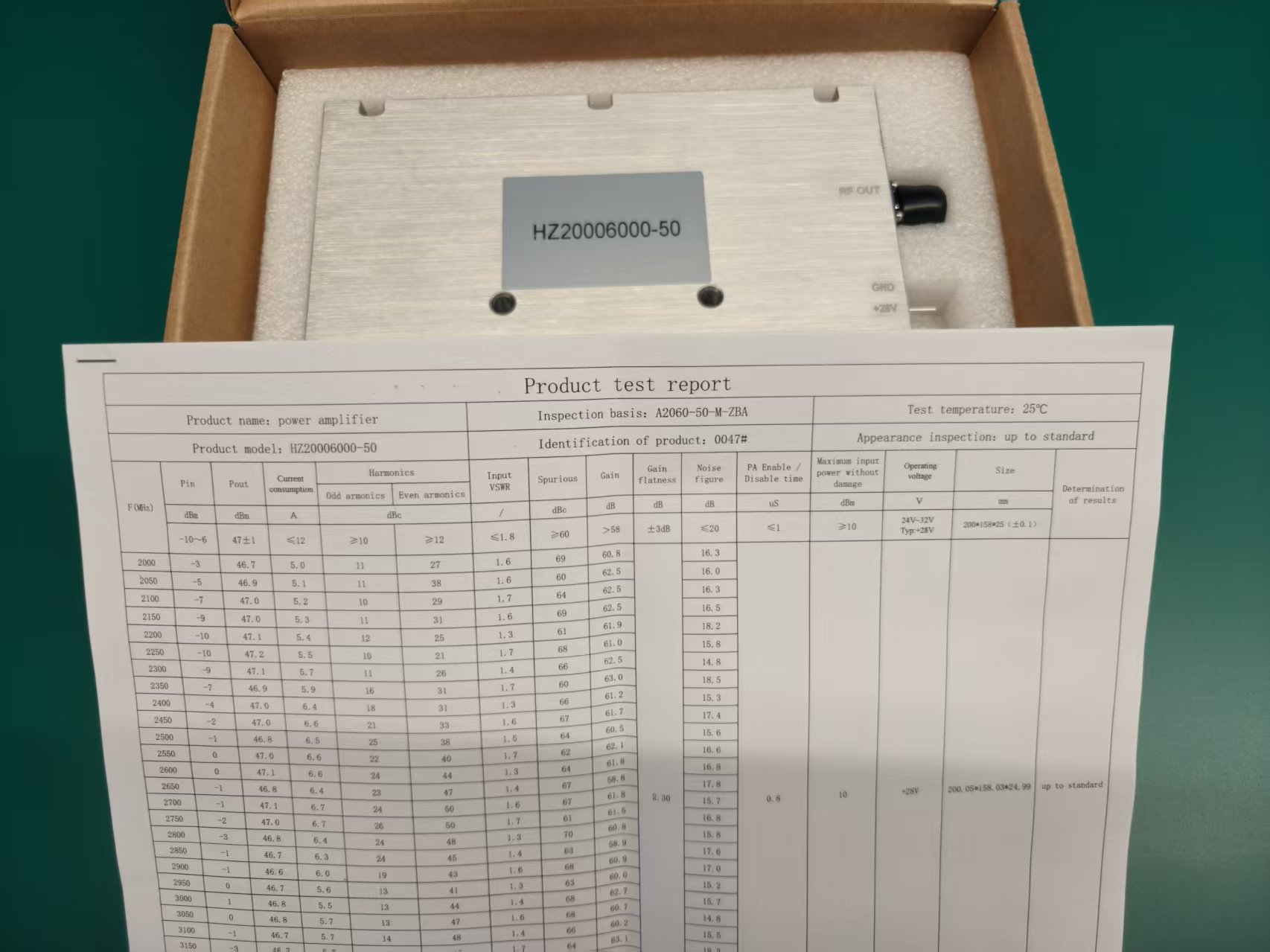
Every amplifier component completes a continuous 12-hour operational burn-in at room temperature with a 50dBm load before factory release to eliminate early-life failure points.
Subjected to 5 cycles of -55°C to +85°C storage testing, followed by active power-on operational verification at -40°C and +60°C for 2 hours respectively to validate oscillator and chip stability.
Seeing is believing. Welcome to our source factory.
Book an On-Site/Video Factory TourBuying hardware shouldn't be like buying a lottery ticket. We use real, objective instrument data to clear all your concerns before project acceptance.
Skip the pointless sales pitches. Tell us directly your core parameters and integration pain points, and our RF engineers will provide you with precise component solutions and quotes within 24 hours.
Our in-house R&D and specialized production lines ensure rigid quality control. This direct-from-factory approach guarantees faster response times and reliable supply.
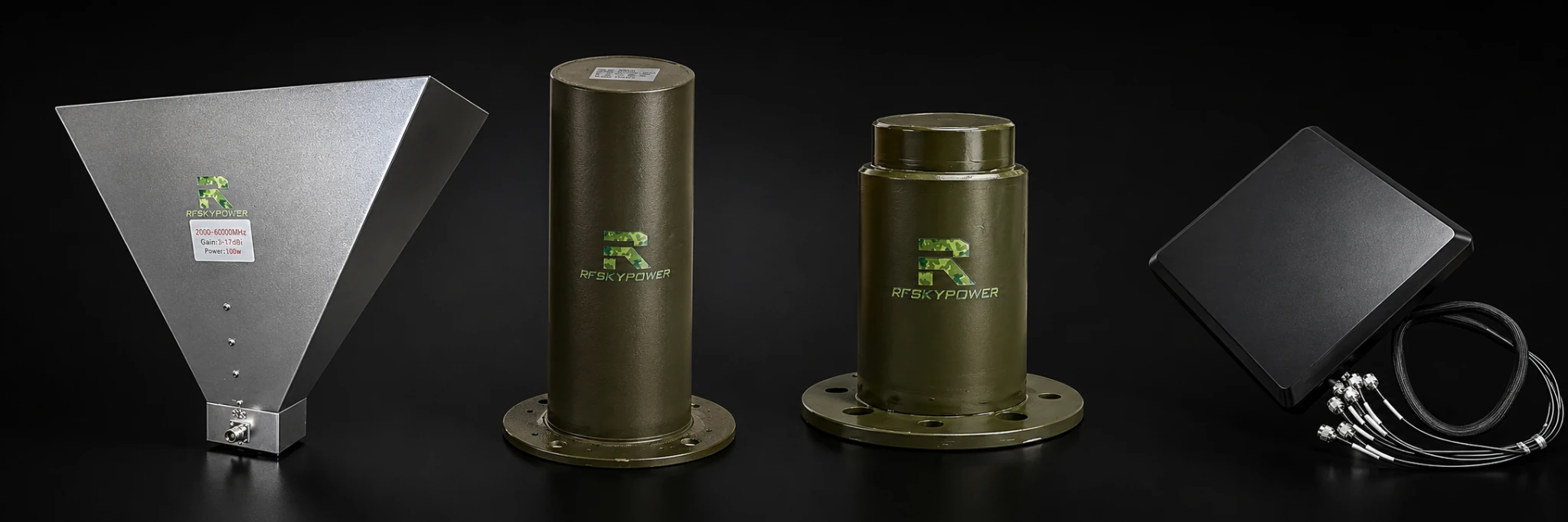
Procure compatible modules, antennas, SDR signal sources, and detection products directly from a single reliable supplier to drastically reduce integration complexity.
Our core components successfully power sensitive defense infrastructures across 100+ countries worldwide.
When you partner with RF SKYPOWER, you bypass the middlemen. You get direct access to the engineers who design and build the core components powering your system.