

INDUSTRY INSIGHTS
Practical RF Engineering Insights
Practical guidance for RF power amplifier selection, testing, integration, reliability, and real-world applications.

11/07/2026
Does a shared clock prove SDR phase coherence? Check RF-port phase tests, restart repeatability, path corrections, and calibration evidence before acceptance.

11/07/2026
An alert is not the same as a verified target position. This guide separates transmitter-reported Remote ID data, passive RF observations, and radar measurements. It explains why two displays may still depend on one source and what evidence buyers should request before accepting a drone detection claim.
11/07/2026
A 200 MHz specification may describe one wider RF path or two separate 100 MHz channels. This article shows how to check a dual-output SDR at its SMA connectors, including bandwidth allocation, channel leakage, both-active spectral quality, independent control, and documented acceptance results.

11/06/2026
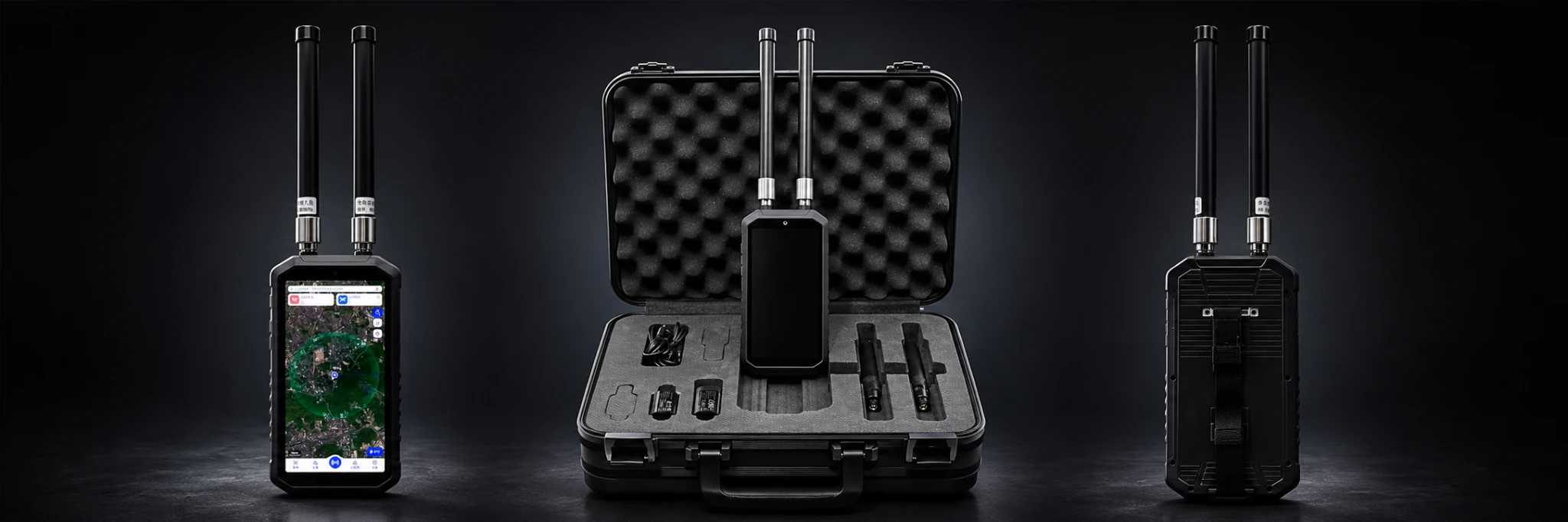
A detector's range figure tells buyers little unless the result and test conditions are defined. This checklist covers RF bands, supported targets, identification fields, drone and controller locations, logs, firmware, and portable hardware. It also shows which supplier claims need supporting records before an RFQ can be compared.

11/06/2026
Passive drone detection may use RF reception, but other interfaces can still transmit. Learn which hardware, operating states, and emission evidence to verify.

11/06/2026
Successful drone alerts do not settle an acceptance decision. This article shows how buyers define test scenarios, independent ground truth, detection and false-alarm metrics, alert timing, reporting requirements, and retest rules. The key question is whether those records support the exact functions and conditions being accepted.