
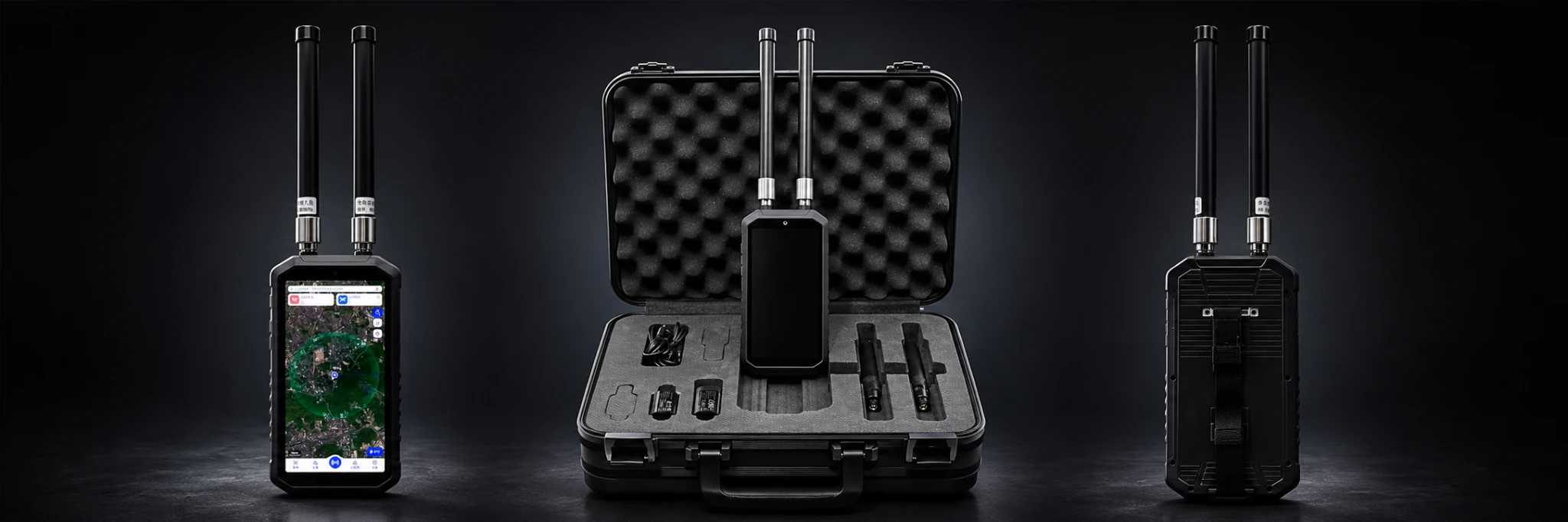


C-UAS jammer blanking timing matters because it determines when receiver information is suppressed or should not be treated as a valid observation. The label alone does not identify the affected object or establish protection from excessive RF input; the applicable product and revision documents must define the function and its limits.
1. What Does Blanking Mean in Receiver Documentation?
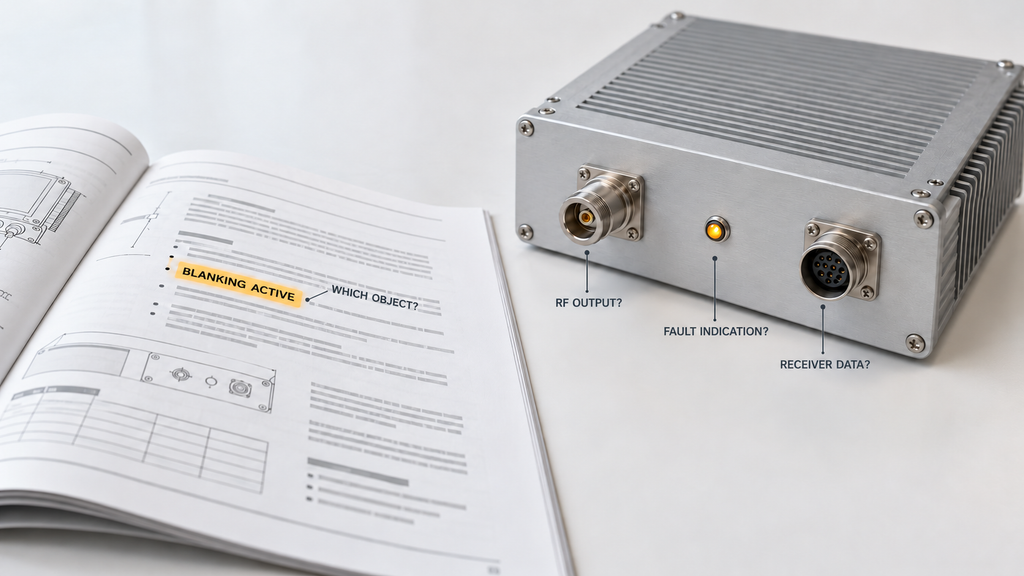
“Receiver blanking” is a product-specific label for a receiver function or data state defined by its manufacturer. Across product documents, blanking may refer to different objects: an RF output may be suppressed, a fault indication may be ignored, or receiver data may be marked as affected or invalid. The shared word does not make these functions equivalent. The object named in the applicable document determines what the statement covers.
That object also determines which component is responsible for defining the behavior. A statement about an output does not define how receiver data is interpreted, and a data marker does not state what the receiver input can accept. Those boundaries must come from the document for the named product and revision.
As a documentation illustration, not a tested case, consider a file that says only “blanking active.” Without a defined object, the phrase could refer to an output, a fault indication, or receiver data; the function remains unspecified.
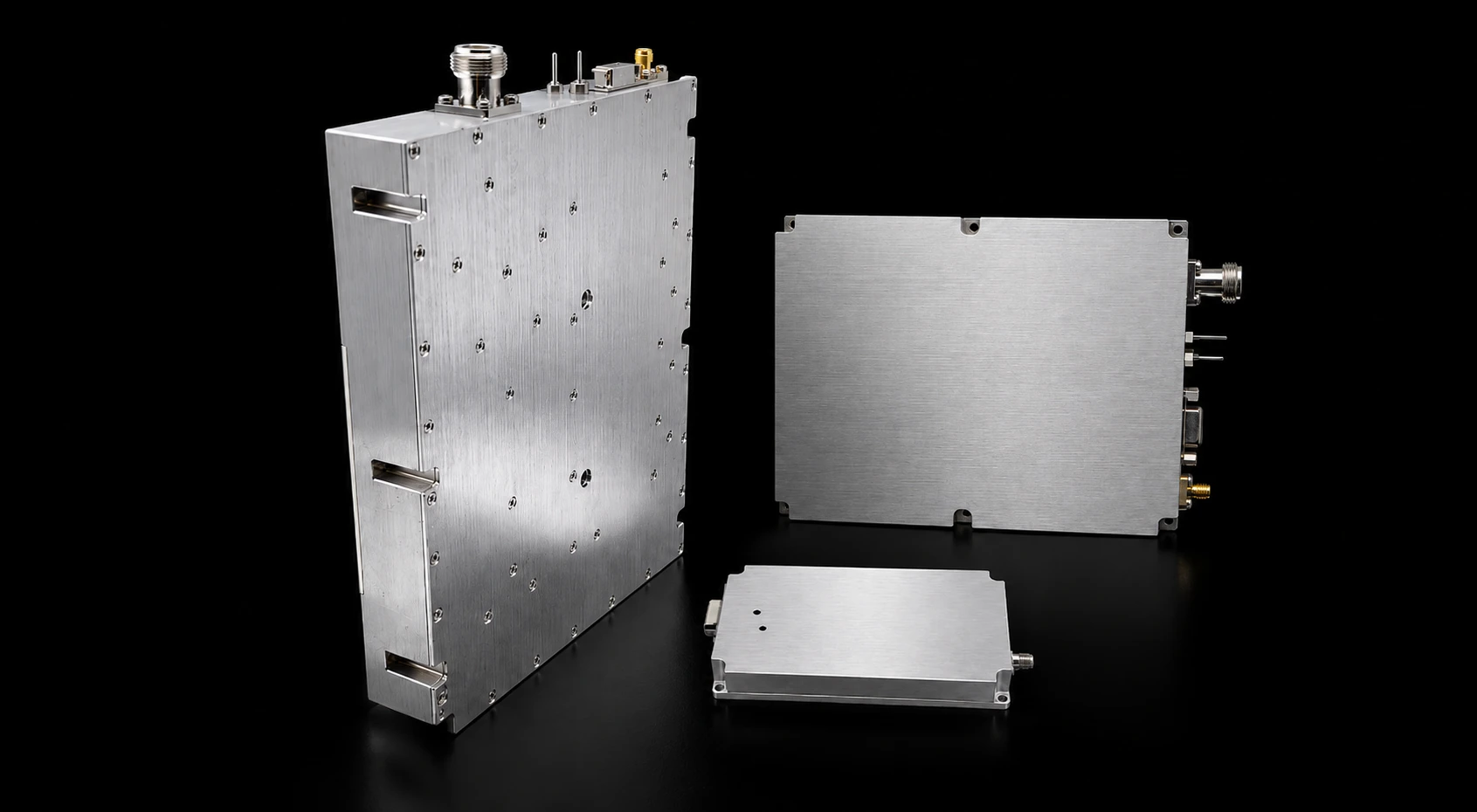
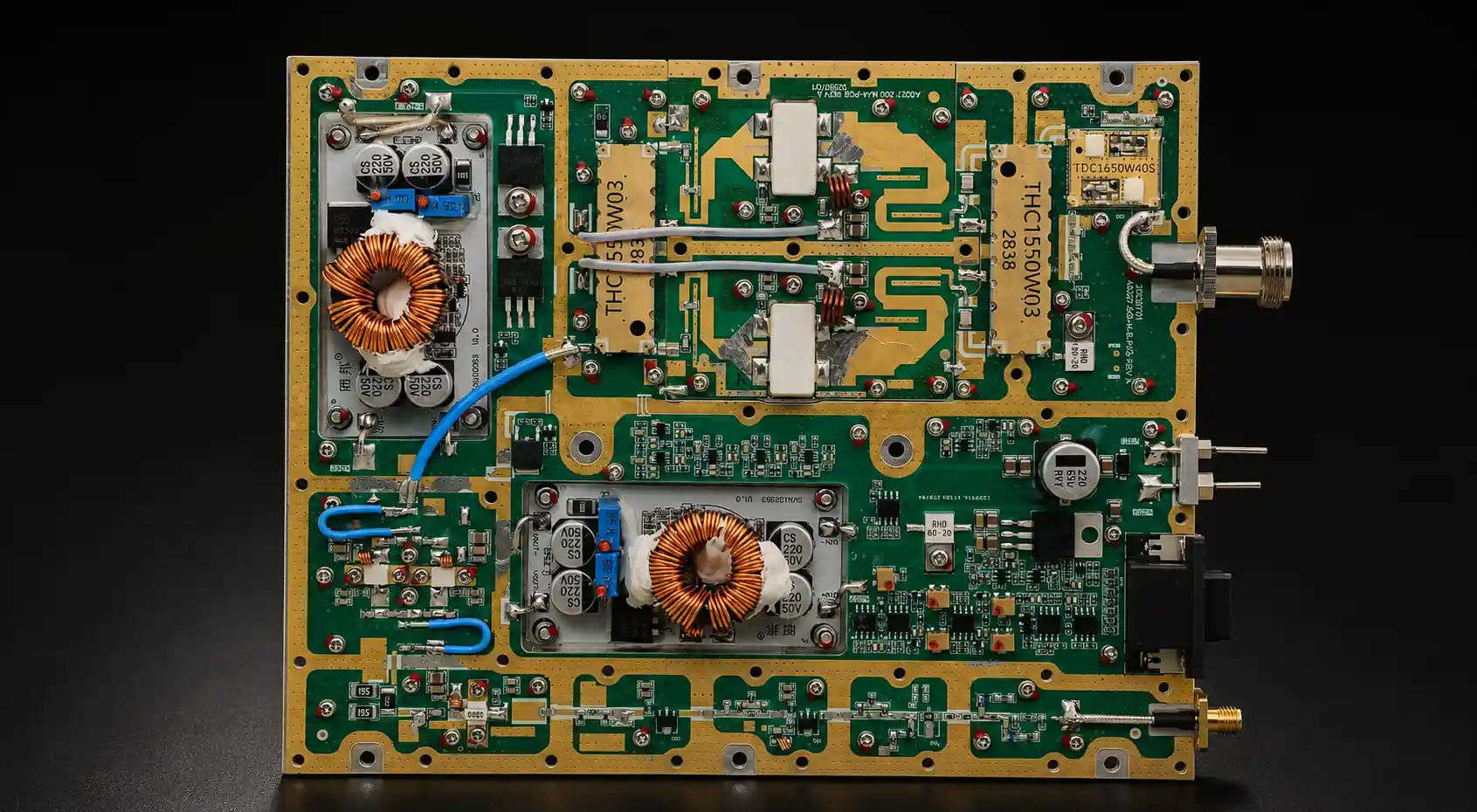
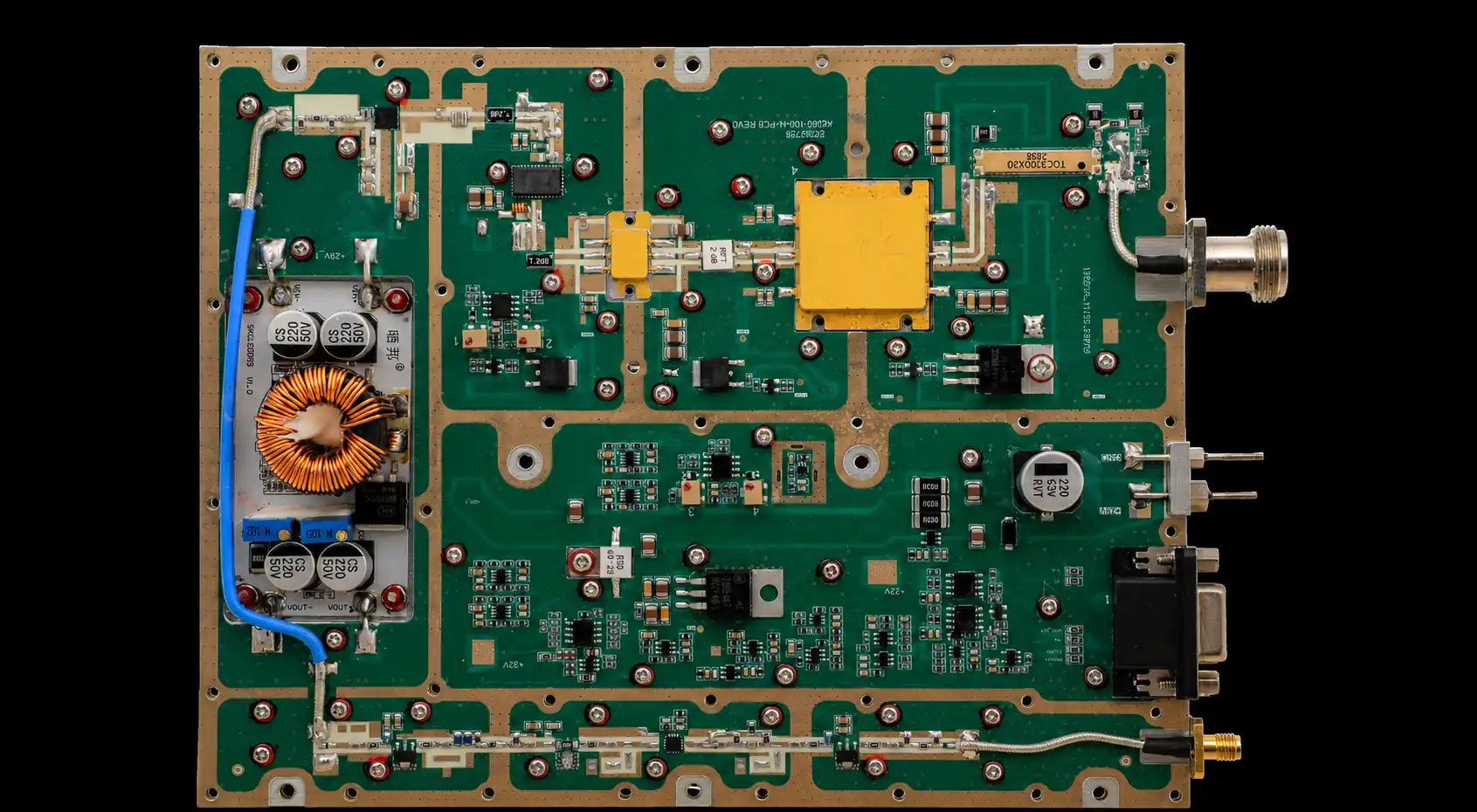
Even when a receiver and amplifier appear in one RF chain, their documents cover different components; the RF PA module boundary helps distinguish module scope from receiver or complete-system claims.
2. Why Can Blanking Affect Data Availability?
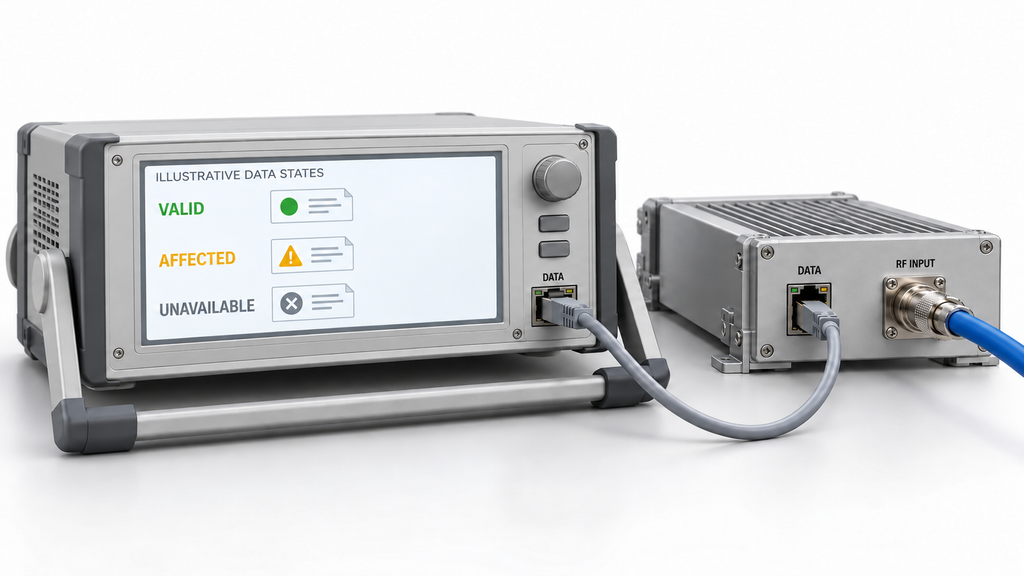
If information is suppressed, excluded, or marked during an interval, the resulting record may contain no observation for that interval or may carry a status that limits its use. The gap does not establish that no signal or target was present. It describes an information limitation, not a finding about the environment.
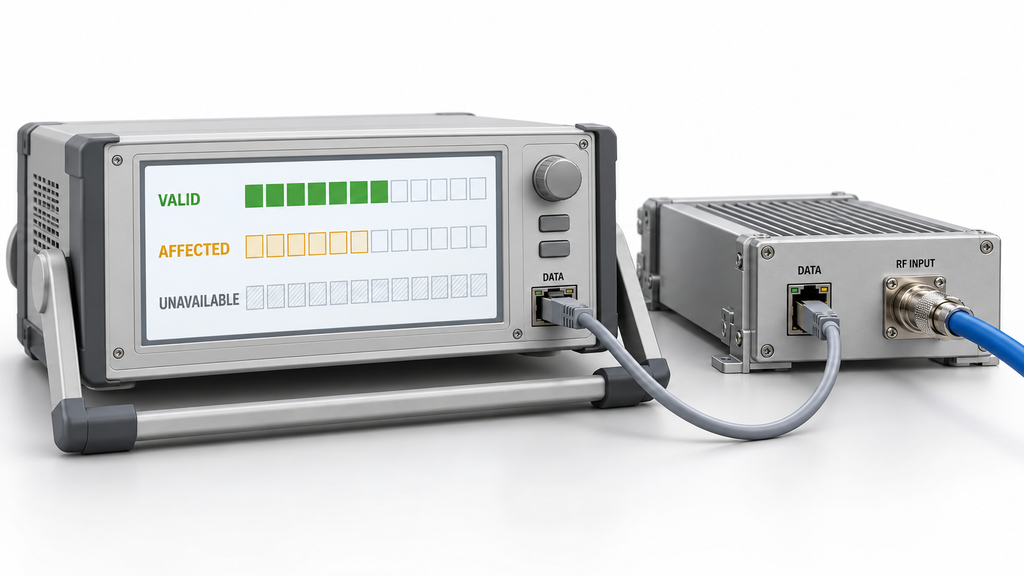
Product documents may define distinct states. A valid observation is one the product defines as usable for a stated purpose. An affected record may still exist, while its interpretation depends on the condition the status denotes. An invalid or unavailable state may exclude information from a particular use. These are possible distinctions, not universal receiver flags; the applicable data definition controls each term.
A missing observation, an affected record, and an invalid record therefore support different conclusions. If the status is undefined, its meaning stays unknown. For example, a record marked as affected establishes that the product assigned that status under its own definition; it does not establish that no signal was present or that the observation can be treated as valid. This boundary prevents a data gap from being converted into a non-detection or continuous-coverage claim. Data availability is also separate from hardware condition: an information gap alone says nothing about whether the receiver was damaged.
3. Does Blanking Prove That a Receiver Is Protected?
No. A blanking label describes a function or data state; it does not, by itself, describe the receiver’s analog-input behavior. Excessive input may affect receiver performance and, depending on the equipment and conditions, may damage a sensitive front end. This is a general risk, not an observation about a particular C-UAS receiver.
Receiver protection is a separate claim from data handling. Only input specifications and warnings that apply to the receiver model and configuration can establish the stated input boundary. A PA module’s function or product-family description cannot substitute for receiver-specific limits. Without the applicable receiver documentation, the protection claim remains unresolved; do not infer safety or system compatibility from a blanking state.
4. Which Manufacturer Documents Define the Claim?

A document supports a claim only within its stated component, model, and revision scope. Match the file to the model, hardware or firmware revision, and document revision before relying on its wording. The table separates five document roles and the limits on what each role can establish.
| Document | What it should clarify | What it does not establish |
|---|---|---|
| Function definition or feature description | The object and product function referred to by the blanking label | Receiver input protection unless explicitly covered |
| Receiver input specification and warnings | Input limits and cautions for the identified receiver and configuration | Behavior beyond the stated model, revision, or conditions |
| Data-status documentation | How valid, affected, invalid, or unavailable data is defined | That a missing or affected interval means no signal or target was present |
| Model and revision applicability statement | Which hardware, firmware, and document revisions are covered | Applicability to a different product or configuration |
| Component responsibility statement | Which manufacturer defines each component’s functions and limits | End-to-end C-UAS compatibility or system acceptance |
Documents can be considered together only after their component and revision scopes match. A module document cannot fill a missing receiver specification, and a family-level page cannot establish that a particular receiver or revision is covered. When files conflict or their identities do not match, the responsible document owner must clarify the discrepancy before a protection or compatibility conclusion is drawn.
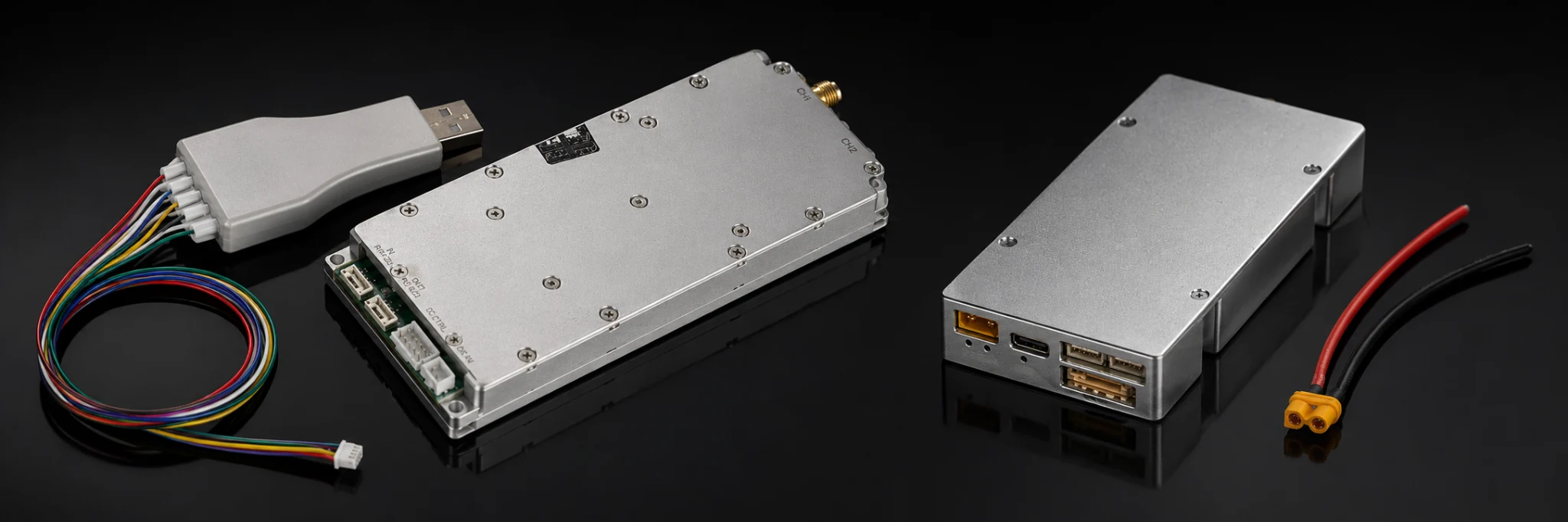
The module-side interface and receiver documents have different scopes: the documented control interface concerns the PA module, while receiver files define receiver-specific blanking and input limits. The RF power amplifier module family page provides general supplier context for RF PA documentation; the specific module file still determines which model and revision it covers. Neither page defines a separate receiver’s blanking state or input limits.
The five inputs below make the clarification request traceable: model identifies the component; hardware and firmware revisions identify the build; document name and revision identify the source text; the exact label preserves the wording in question; and the unresolved issue tells the document owner what applicability or meaning remains unclear.
- Module or receiver model identification
- Applicable hardware and firmware revisions
- Document name and revision
- The exact blanking label or statement in question
- The unresolved question about its meaning or applicability
Conclusion
C-UAS jammer blanking timing matters because it marks when information may be suppressed or may not qualify as a valid observation. The label does not establish receiver input protection. That judgment depends on the defined function, model and revision, and applicable receiver input documentation. A blank display or data state should not be mistaken for a hardware safety guarantee. When the scope remains unclear, leave the conclusion open and ask the responsible document owner to clarify the applicable file. For an RF SKYPOWER module-document question, contact RF SKYPOWER with the module identity and unresolved document question; this request concerns module documentation only.