
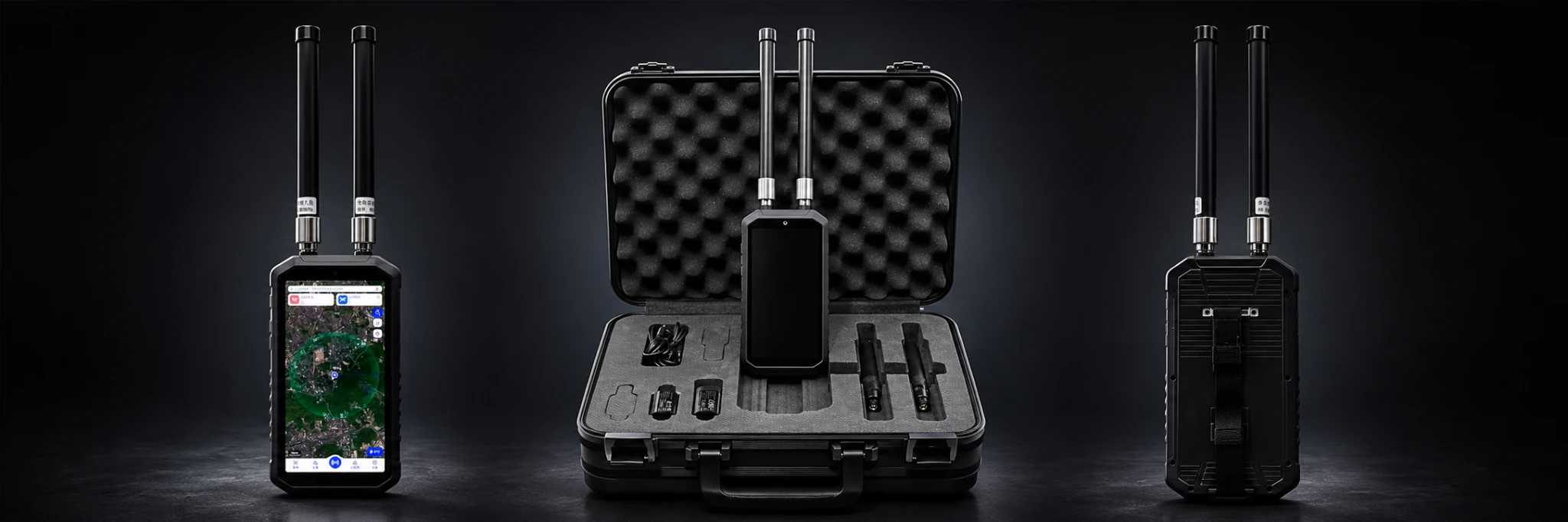

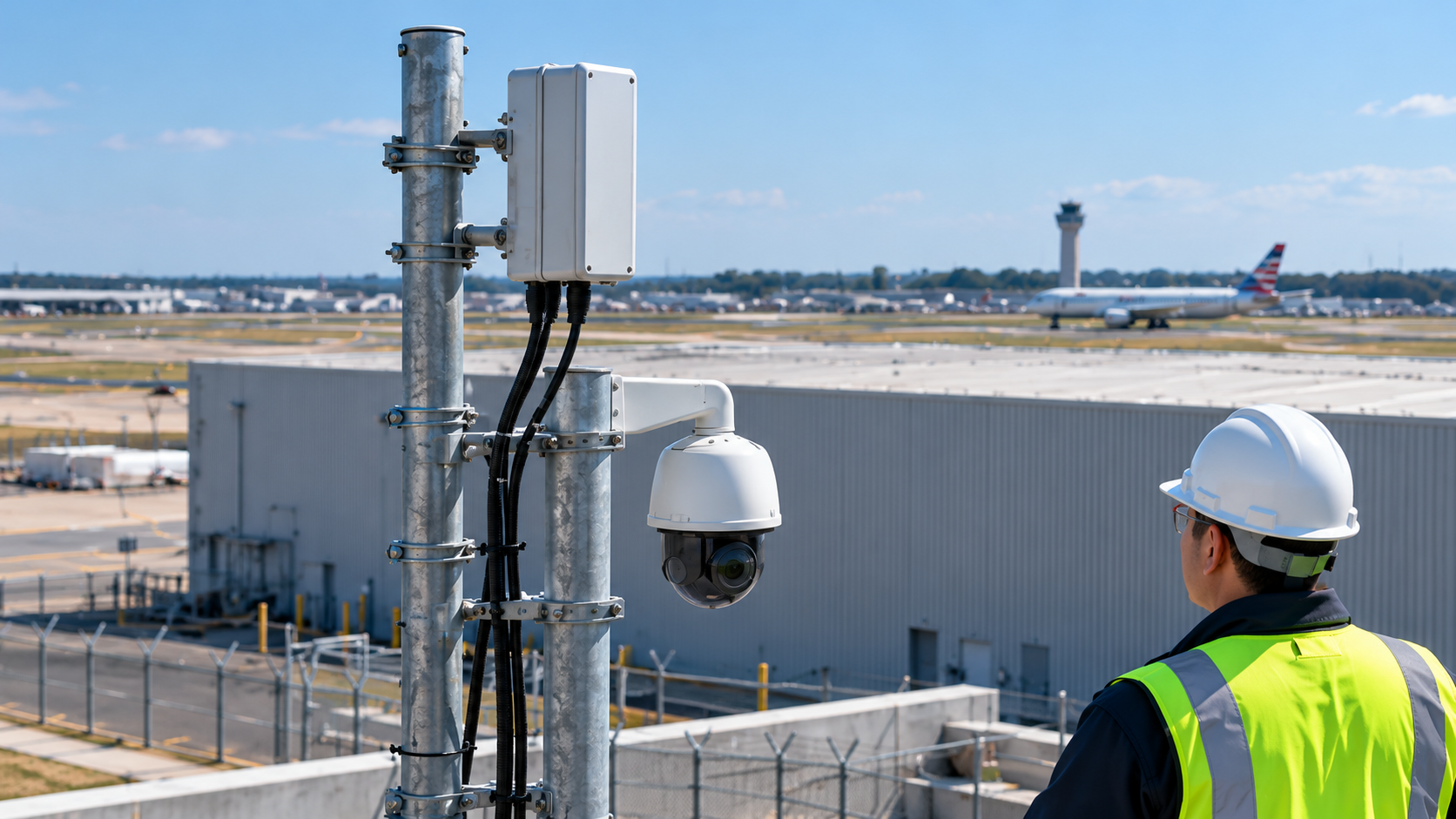
Airport drone detection starts with three decisions: which areas need monitoring, what operators must know when an alert appears, and who is responsible for responding. Those decisions determine sensor placement, electromagnetic interference (EMI) reviews, FAA coordination, and field acceptance tests.
RF receivers, radar, and cameras provide different types of evidence. Their performance depends on the target, terrain, airport structures, radio activity, weather, and operating conditions. A sensor that performs well in an open field may leave blind spots around hangars, terminals, or other airport infrastructure.
Before comparing equipment, define the required detection result, monitoring area, and response procedure. The installation must ultimately demonstrate those requirements under the airport’s actual operating conditions.
1. What Should an Airport Drone Detection System Be Required to Detect?
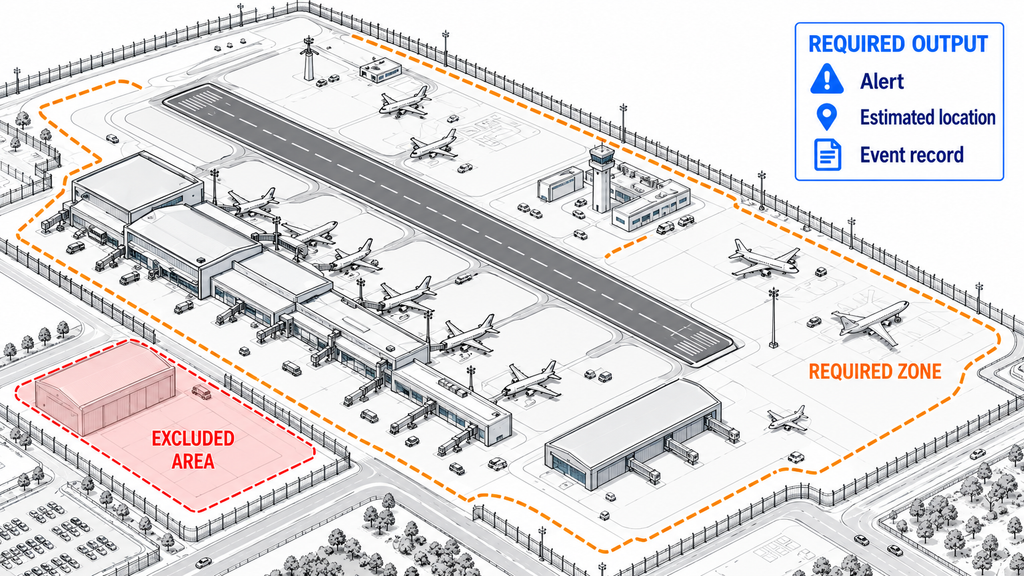
Specify airport drone detection requirements for each monitoring zone. A general promise to “detect drones” does not tell the airport what the equipment must deliver.
Start with the areas that need observation. These may include designated perimeter sectors, approach-adjacent areas, terminal surroundings, or other locations selected by the airport operator.
For each area, define:
- Target scenarios: Drone characteristics and operating behaviors the project must consider, including known exclusions.
- Coverage boundaries: The horizontal and vertical limits of the monitoring area.
- Detection outputs: Initial alerts, classification, estimated location, tracks, imagery, or event records, as required.
- Operating conditions: Weather, lighting, airport activity, RF conditions, and monitoring periods.
- Performance criteria: Agreed detection success, alert delay, location uncertainty, and nuisance-alert limits.
- Response ownership: The organization responsible for reviewing and escalating an alert.
The requirements must distinguish a possible sensor event from a verified drone observation.
RF detection relies on drone- or controller-related transmissions that a receiver can capture and interpret. Supported protocols and local propagation conditions determine what the system can detect and report.
Radar can detect physical targets without relying on supported drone protocols. Cameras can provide visual evidence when the target is visible with sufficient image quality. Combining sensors makes sense when their different outputs address a defined coverage or verification gap.
The project team should produce a site-specific detection requirements statement before selecting equipment. It needs to identify the monitoring zones, target scenarios, required evidence, and verification conditions.
Without those requirements, a supplier’s published detection range is not enough to establish suitability.
2. What FAA Coordination Is Needed Before an Airport Installation?
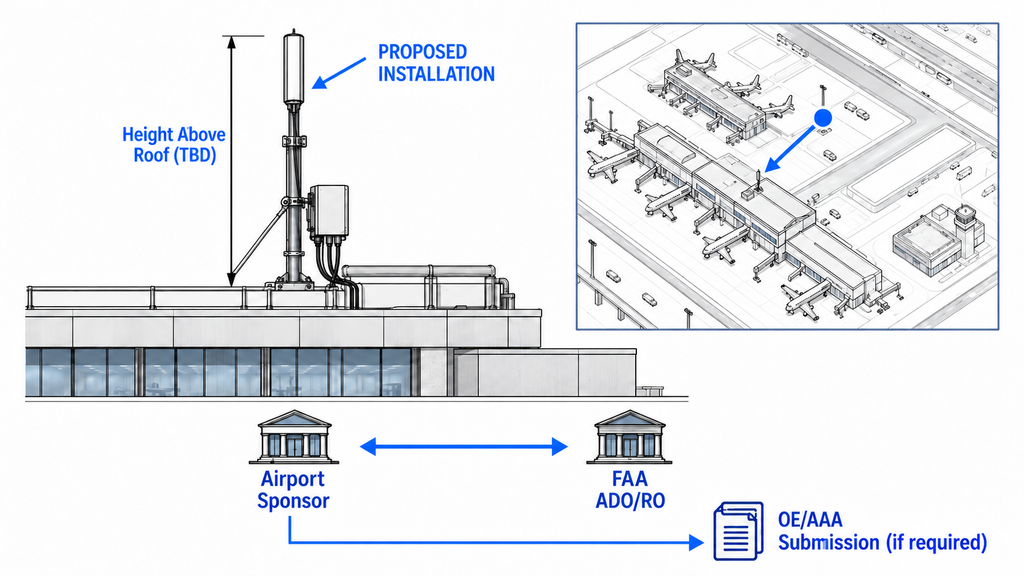
Airport operators should begin FAA coordination before committing to a drone detection installation.
Detection equipment observes or reports possible drone activity. Mitigation equipment may interfere with, disable, redirect, or otherwise affect an aircraft. The legal and operational requirements differ, and permission to install detection equipment does not grant authority to perform mitigation.
Establish the FAA Review Path
For a proposed on-airport UAS detection installation, the airport sponsor should first contact its local FAA Airports District Office (ADO) or Regional Office (RO).
That office can guide the project before an Obstruction Evaluation/Airport Airspace Analysis (OE/AAA) submission.
FAA guidance calls for detection-system submissions to describe the proposed antenna count and height, general locations, and whether the equipment operates passively or transmits RF energy.
The equipment description should cover normal operation as well as optional, maintenance, and configuration modes that may transmit.
Antenna masts, rooftop mounts, and temporary equipment may introduce additional airspace or installation requirements. The FAA review is not limited to the height of a proposed structure.
The responsible FAA office should confirm the applicable submission requirements before installation proceeds.
Supporting documents may include site drawings, equipment descriptions, antenna details, and frequency information. Follow the FAA office’s instructions for submitting sensitive technical material, including secure supporting documentation where required.
Confirm Operational and Legal Responsibilities
The airport operator also needs to identify who controls the equipment, manages spectrum requirements, handles security alerts, and authorizes actions that could affect air traffic.
FAA Order JO 7210.3 directs requests for ATC facility cooperation on UAS detection projects through the appropriate FAA ADO. An informal agreement with a local ATC facility does not replace that coordination.
Other stakeholders may include airport operations, the Transportation Security Administration (TSA), law enforcement, equipment operators, and spectrum authorities.
Installation review and coordination for individual operating activities are separate matters. Requirements depend on the organization, equipment functions, and transmitting modes. An exemption from one requirement should not be assumed to remove other airport obligations.
Coordination and Authority Check Table
| Check item | Applicable condition | Responsible organization | Required evidence | Next step / unresolved issue |
|---|---|---|---|---|
| Detection and mitigation classification | Any proposed equipment or software configuration | Airport operator, integrator, and relevant legal authority | Description of detection, tracking, transmitting, and optional mitigation functions | Resolve unclear or combined functions before proceeding |
| FAA airport coordination | Proposed on-airport fixed or temporary installation | Airport sponsor or operator; applicable FAA ADO/RO | System purpose, site plan, antenna details, and operating concept | Confirm OE/AAA submission requirements and review path |
| Structures and airspace considerations | Proposed antennas, poles, rooftops, or other installation structures | Airport sponsor and applicable FAA review offices | Location coordinates, proposed heights, drawings, and mounting details | Determine additional structure or airspace review requirements |
| RF emissions and spectrum | Radar, wireless backhaul, or any other intentional transmitter | Equipment operator, spectrum licensee, and relevant regulatory authorities | Frequency and emission inventory, antenna information, operating modes, and authorization records | Resolve applicable spectrum requirements before transmission |
| Airport response coordination | Alerts may trigger security actions or affect airport operations | Airport operations, ATC as appropriate, and designated security or law-enforcement organizations | Alert workflow, response contacts, authority assignments, and relevant airport procedures | Confirm who verifies, reports, and authorizes each response |
| Legal authority and data handling | Detection records, location information, data sharing, or potential mitigation | Airport operator, legal counsel, security, and relevant agencies | Applicable authority assessment, privacy rules, retention policy, and access controls | Hold unsupported functions or actions until responsibilities are confirmed |
Each completed check should link to a documented decision or coordination outcome.
A supplier’s claim that equipment is passive, airport-ready, or compliant cannot replace the applicable review.
If the FAA coordination path remains unclear, transmitting functions are unresolved, or no organization owns the response process, the project is not ready for installation approval.
3. Where Should RF, Radar, and Camera Sensors Be Placed?
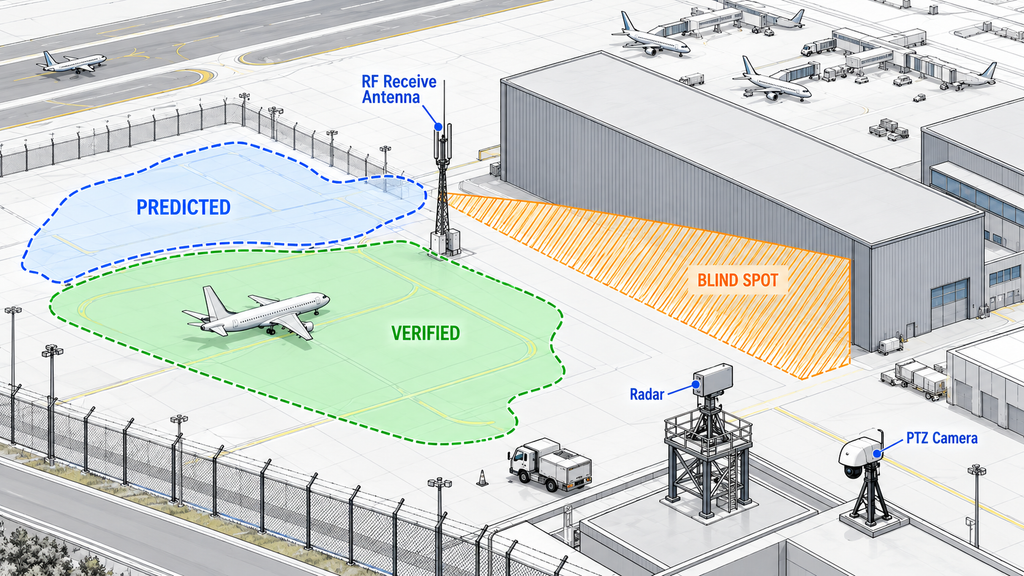
Choose sensor locations from the required coverage area and the conditions found during the airport site survey.
An available rooftop, perimeter pole, or equipment shelter may look suitable on a drawing but fail to provide the required sightlines. The team must check what each position can observe and which obstacles restrict it.
Evaluate Each Sensor Against the Site
RF sensors depend on the monitored signals and their propagation paths to the receiver. Buildings, terrain, aircraft, and metal structures can create shadowed areas or multipath effects. Strong local transmissions may also make weaker signals harder to detect or interpret. For mobile patrols and temporary monitoring, a handheld drone detector can identify supported drone signals from different observation points. Operators can also review available drone and controller information directly in the field.
Radar sensors need suitable sightlines and a review of clutter, reflections, and moving objects. Aircraft, vehicles, buildings, and vegetation can affect detection and tracking.
Cameras need clear sightlines and sufficient image quality. Lighting, haze, weather, target size, and viewing angle can limit their ability to confirm an event.
A position with good sensor coverage may still be unsuitable if it conflicts with airport safety requirements. Mounting structures, maintenance access, and the equipment’s operating arrangement all need review.
The installation must also support power, networking, time synchronization where needed, physical security, and maintenance.
A coverage drawing should separate:
- Areas verified through site evidence.
- Areas predicted to have coverage but not yet tested.
- Known or suspected blind spots.
A predicted coverage area should remain marked as such until the project verifies it.
Sensor Siting and Coverage Record
| Monitoring zone | Required detection result | Candidate location | Obstruction / interference | Verification method | Remaining blind spot |
|---|---|---|---|---|---|
| Approach-adjacent observation area, if included in scope | Project-defined alert and location information | Airport-approved perimeter or elevated position | Terrain, buildings, aircraft movement, and reflections | Sightline survey and authorized scenario test | Low-altitude paths blocked by structures or terrain; verify extent |
| Terminal or ramp boundary | Detect relevant events while controlling nuisance alerts | Approved rooftop or existing mounting point | Dense RF activity, metal structures, vehicles, and camera occlusion | RF baseline survey, clutter assessment, and camera sightline review | Occluded areas behind buildings or equipment |
| Remote perimeter sector | Provide required monitoring outputs during specified periods | Existing utility or perimeter location, subject to approval | Vegetation, terrain, power availability, and backhaul limitations | Site survey, communications check, and authorized field verification | Terrain or vegetation shadows requiring further assessment |
These are example record entries, not recommended locations for a particular airport.
The final siting record should use site drawings, measured conditions, and verification results from the actual installation.
A supplier’s circular coverage diagram cannot account for every obstruction, target scenario, or sensor limitation. The project must check the final installation geometry against its monitoring requirements.
Keep a proposed location open for review if the team cannot demonstrate the required coverage or identify an acceptable way to address its blind spots.
4. How Can Airport EMI and Active RF Emissions Be Reviewed?
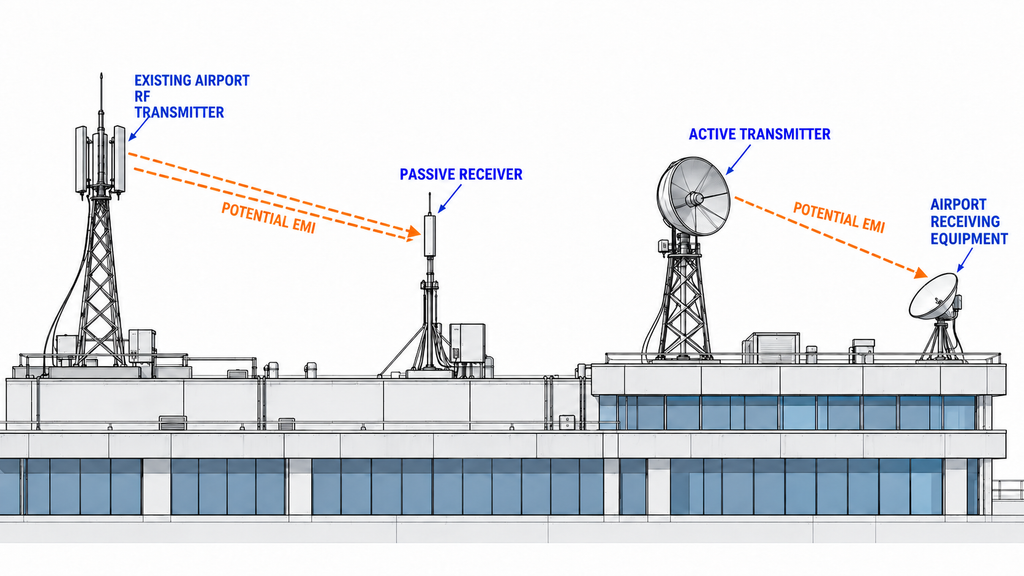
An airport EMI review must examine interference in both directions:
- Existing airport and nearby equipment may affect the detection system.
- The new installation may emit signals that affect other airport systems.
Both questions apply even when the main detection receiver is described as passive.
Review the Receiving Environment
Airport RF environments contain communications, navigation, surveillance, networking, telemetry, and other intentional transmissions.
Electrical equipment, motors, power cables, lighting, and nearby infrastructure may also introduce interference.
Large aircraft and metal structures can reflect signals and affect RF measurements or location estimates. Radar may encounter clutter and multipath effects without any direct electrical interference.
The site survey should record relevant frequencies, strong nearby signals, background activity, and likely interference sources. It should identify the conditions under which reception or tracking may degrade.
The project also needs to examine interference between its own devices.
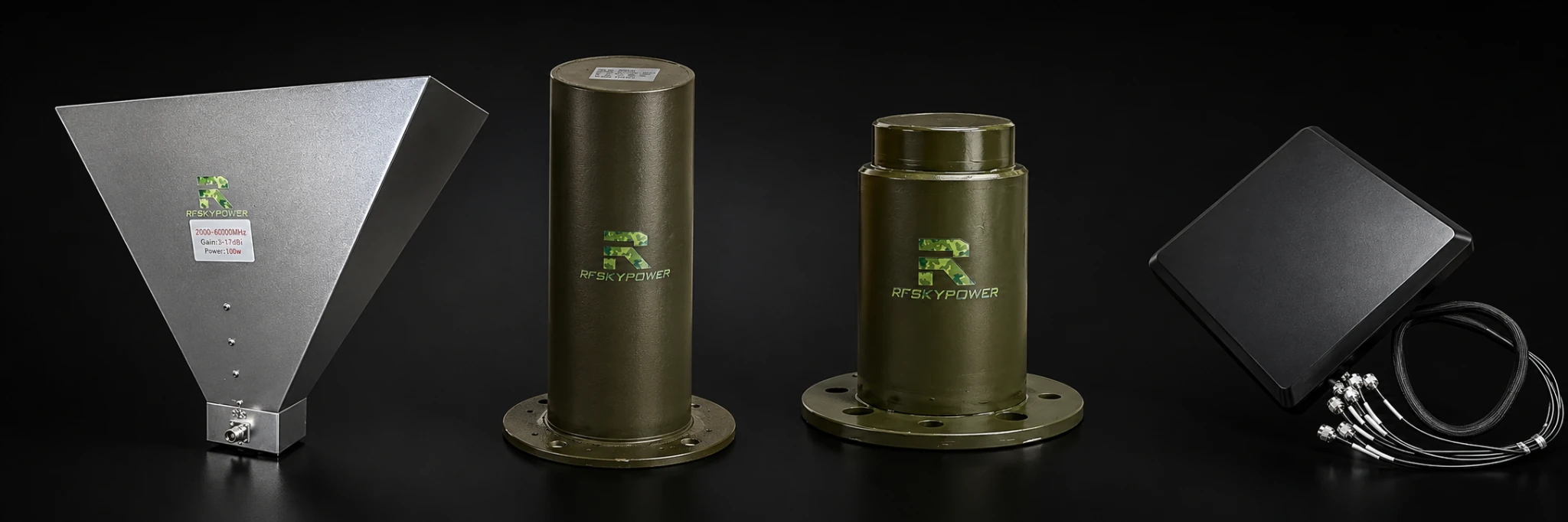
Active radar, passive RF receivers, communications radios, antennas, and nearby cabling may share the same mounting area. Review their configurations for co-site interference, then record the findings and any unresolved risks.
A quiet-period measurement may not represent conditions during busy airport operations. Each survey record should state when and where measurements were taken and which operating conditions they represent.
Identify Transmitting Functions
A product described as a passive RF detector may still contain transmitting equipment.
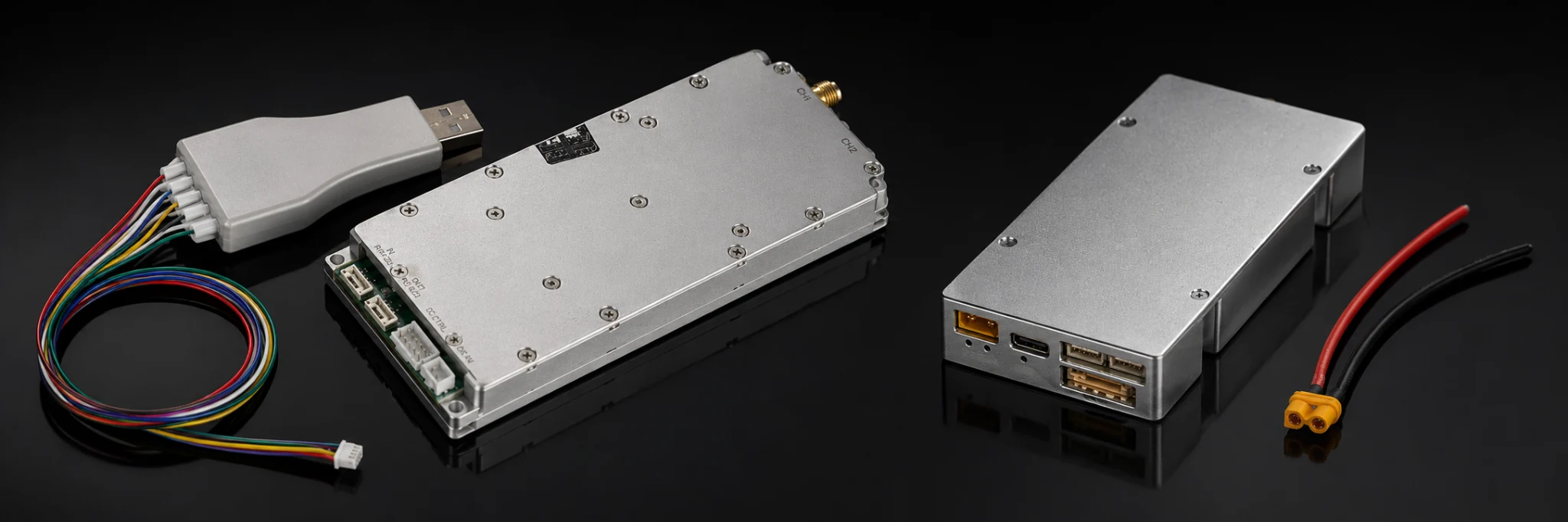
The installation could include wireless communication links, active radar, service interfaces, or transmit-capable functions used during setup, updates, or calibration.
Record each intentional transmitter, its operating frequencies, emission characteristics, antenna details, and available operating modes.
The responsible parties must resolve applicable spectrum permissions and airport compatibility requirements for the installed configuration.
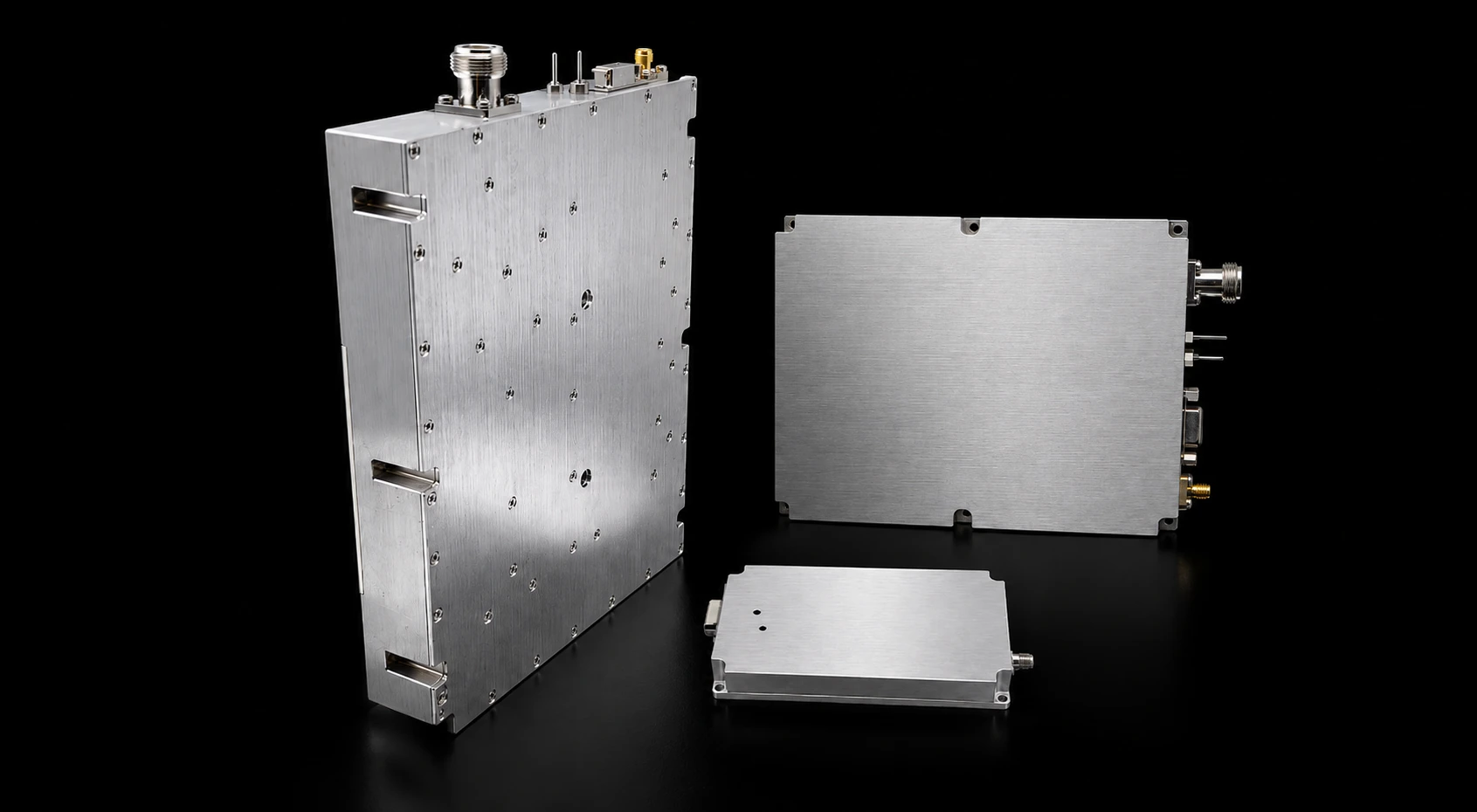
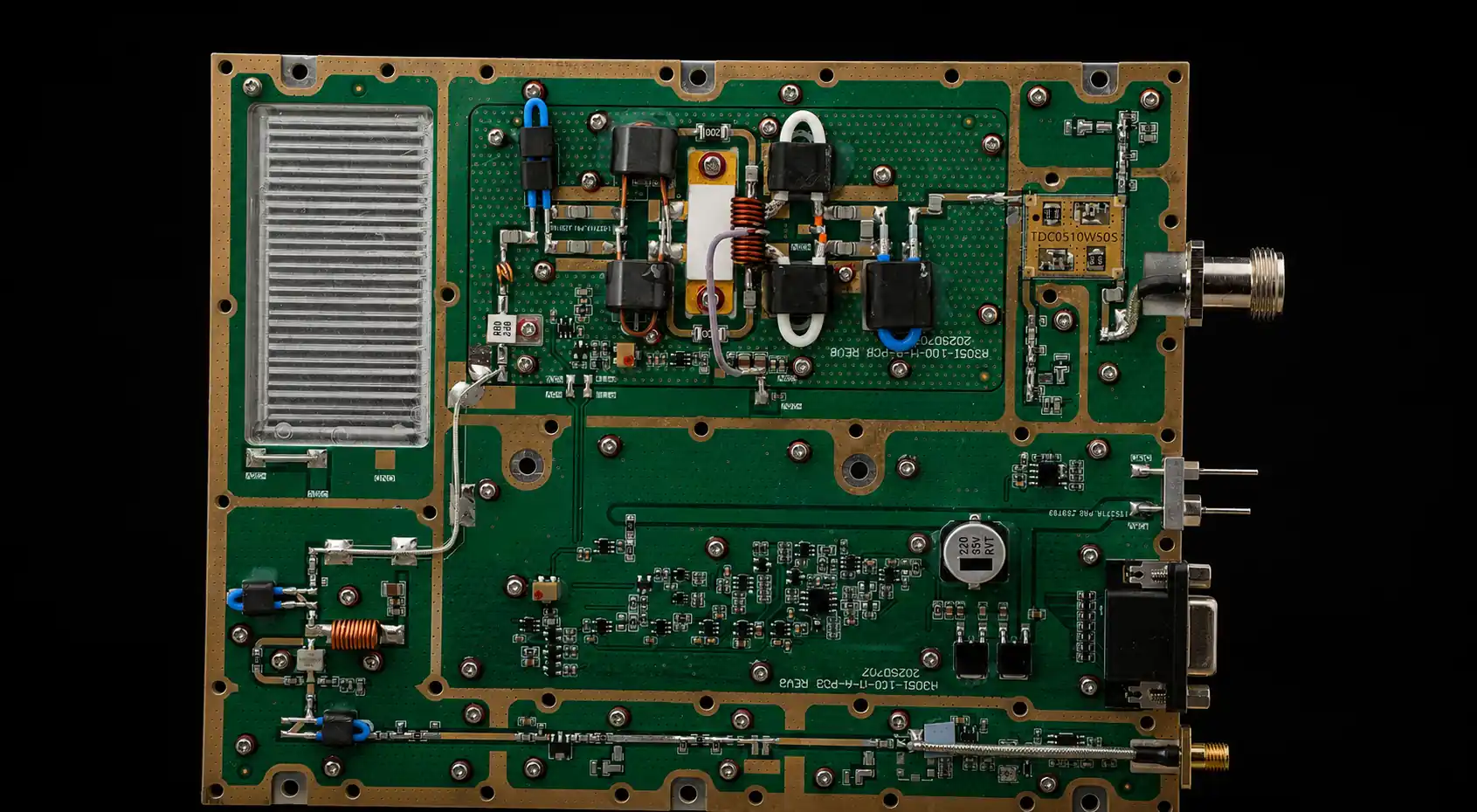
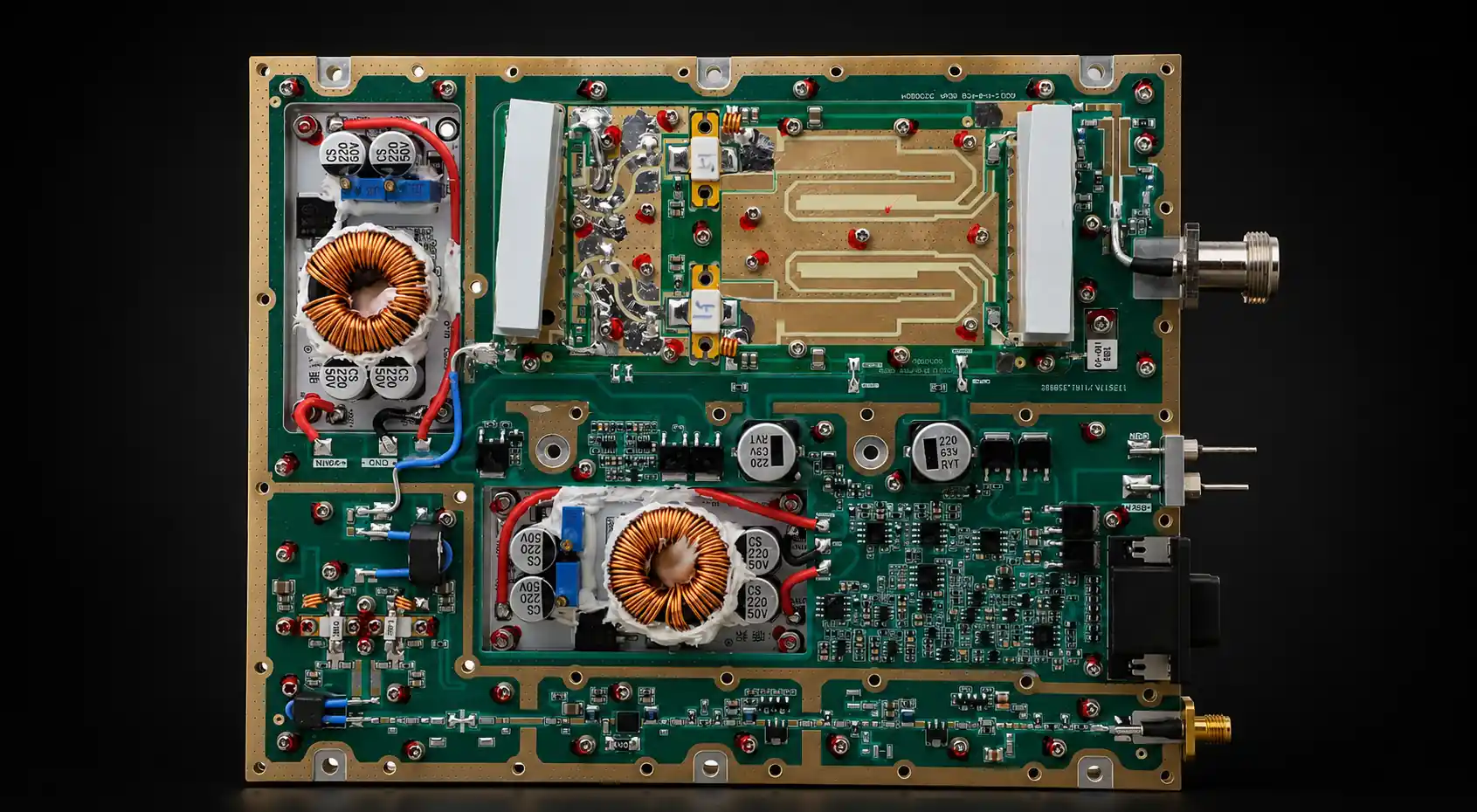
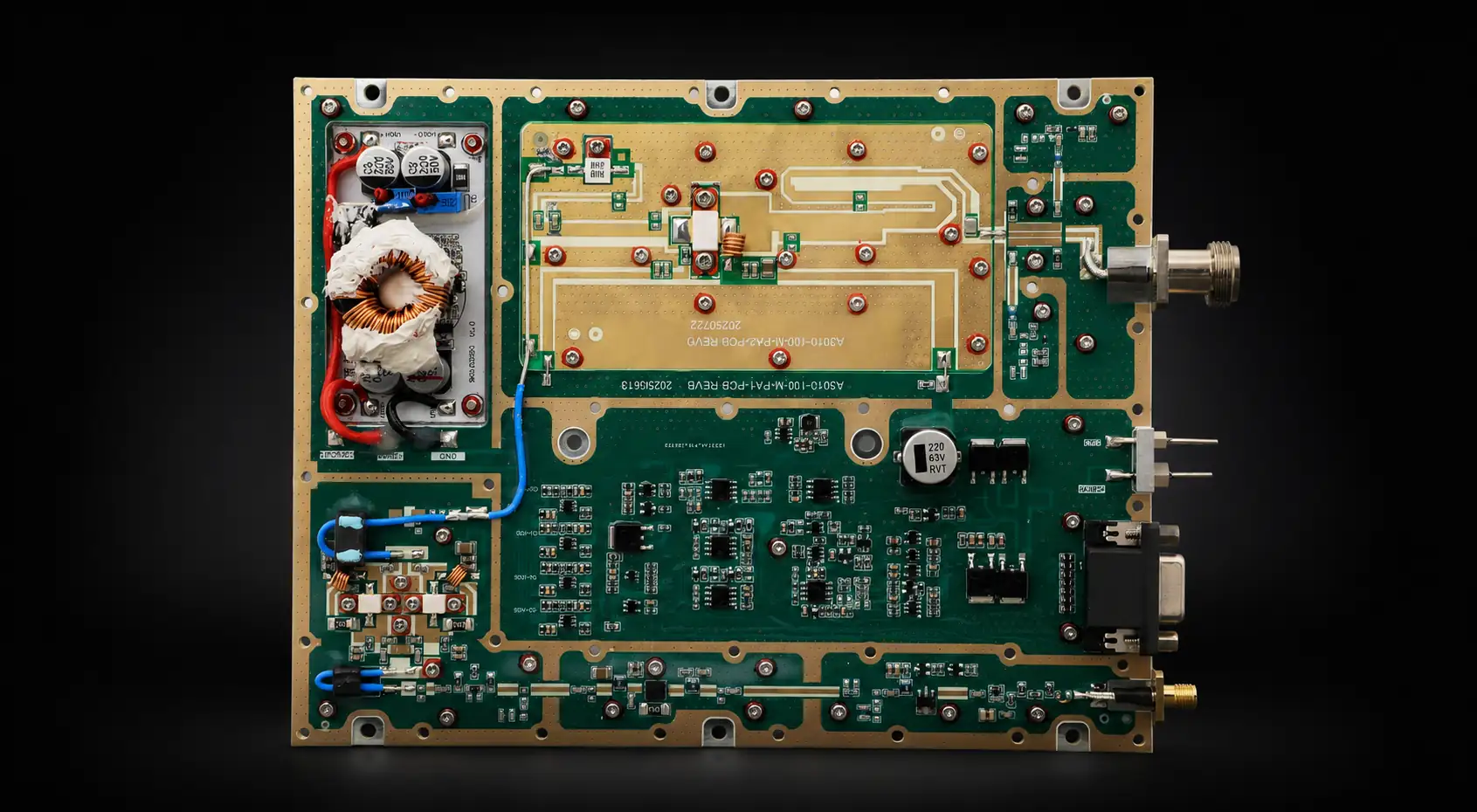
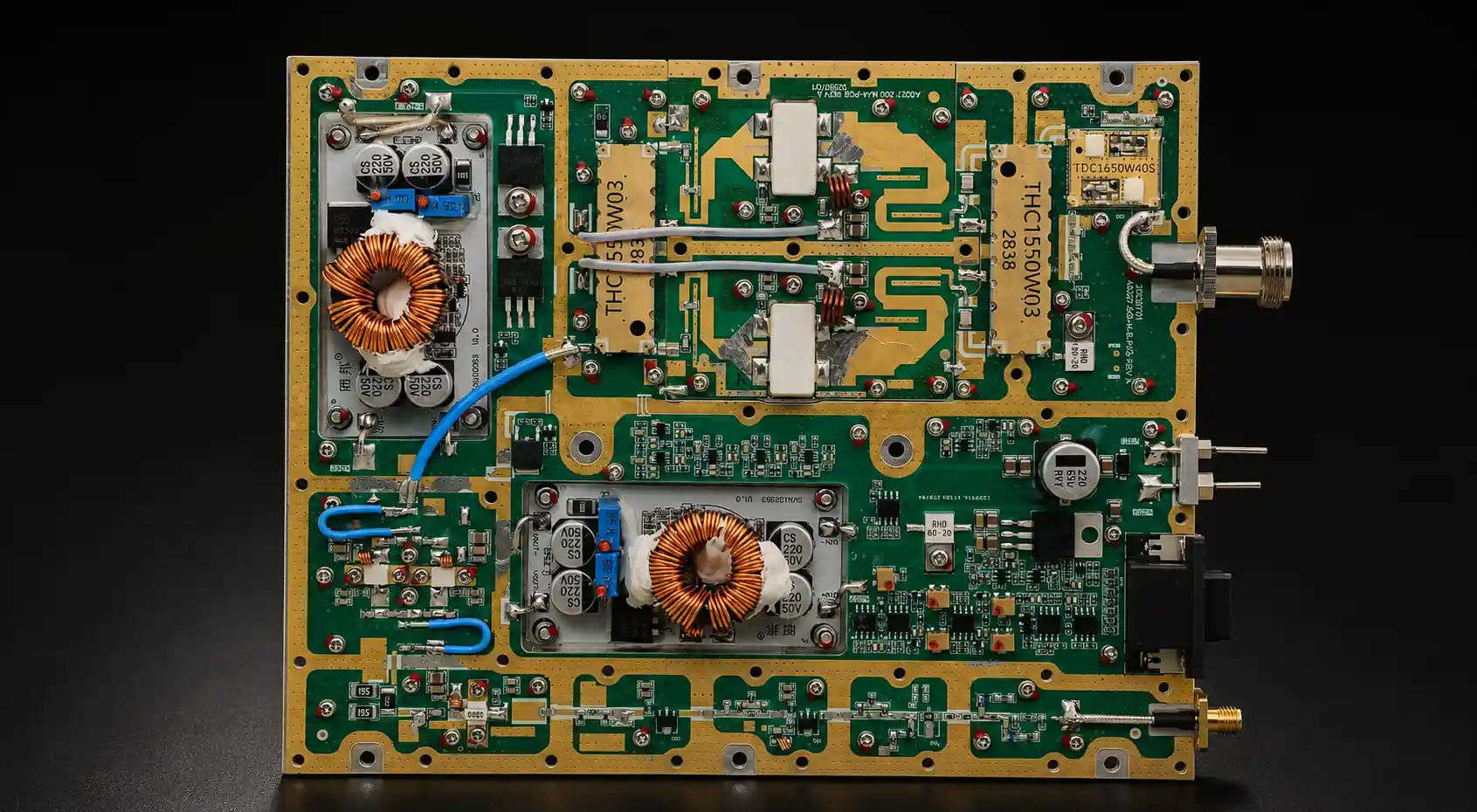
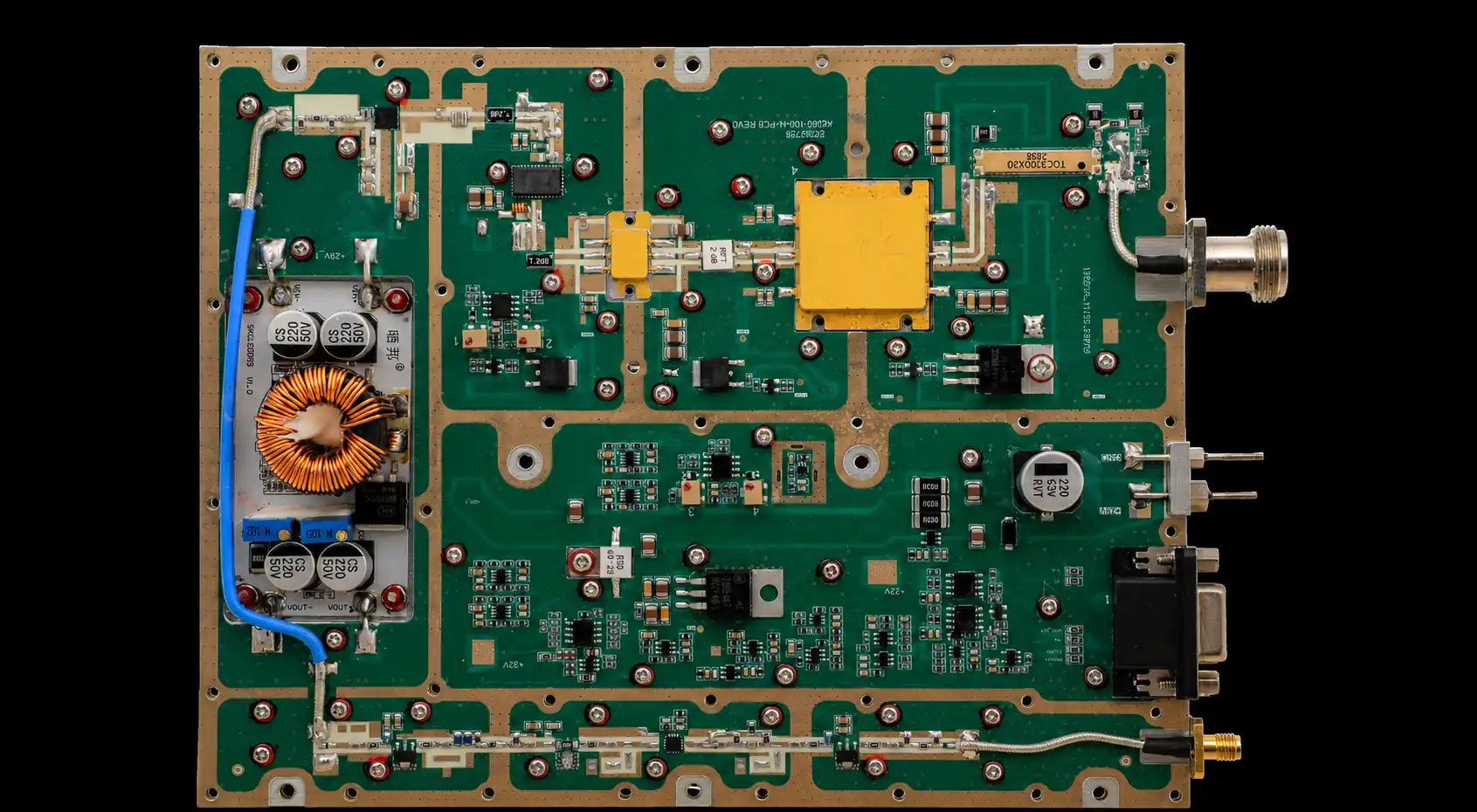
If the wider project includes a separate RF power amplifier subsystem, assess its engineering and authorization requirements independently. That review does not establish the compatibility or regulatory status of a drone detection sensor.
Define the EMI Decision
The EMI review should leave the project team with a site baseline, a transmission inventory, identified risks, required controls, and a record of outstanding tests.
For each significant concern, document the potentially affected system, relevant equipment mode, verification method, responsible reviewer, and required acceptance evidence.
Descriptions such as passive or low interference do not establish compatibility.
If the evidence is insufficient, the project may need to change the sensor location, equipment configuration, or operating arrangement. Keep the EMI acceptance decision open until the relevant requirements have been addressed.
5. How Should Detection Alerts Be Confirmed and Escalated?
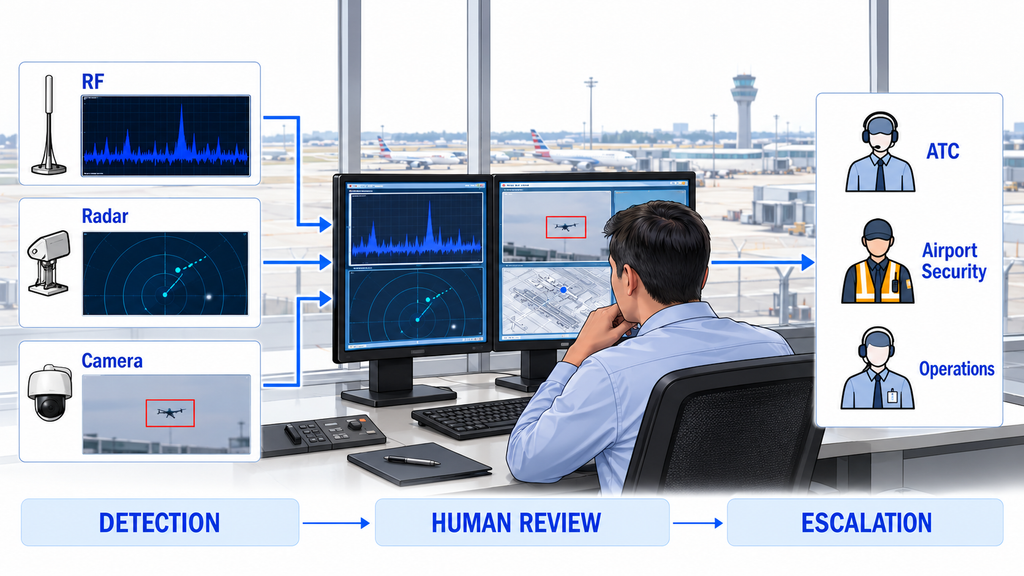
An operator must review a detection alert before the airport treats it as a verified event or makes an operational response decision.
The response process needs three stages:
- Detection: A sensor reports an event matching its configured criteria.
- Verification: Personnel review available evidence to determine what the event may represent.
- Escalation: The event reaches the organization authorized to make the next operational or security decision.
An RF alert may indicate a relevant transmission without precisely locating an aircraft. Radar may show a moving object without identifying its type. A camera may support visual confirmation when the target is visible with sufficient image quality.
Combining observations may improve confidence, provided the project defines how to compare event times, estimated locations, uncertainty, and classifications.
Align Alerts With Airport Procedures
For an airport certificated under 14 CFR Part 139, the detection workflow should align with the approved UAS Response Plan in its Airport Certification Manual.
This becomes especially important when an alert could interrupt airport operations, require ATC coordination, or affect the decision to resume normal operations.
The airport operator should identify the appropriate response contacts, including ATC, TSA, and law enforcement where applicable.
The escalation procedure should specify:
- Which alerts require human review.
- What evidence supports each alert category.
- Who receives and acknowledges notifications.
- When airport operations or other authorities must be informed.
- How personnel handle duplicate, uncertain, and unconfirmed events.
- Who may authorize actions beyond observation and reporting.
Each event record should contain the time, reporting sensor, available location information, classification basis, supporting observations, operator response, and final disposition.
Apply the airport’s approved rules for data access, retention, and sharing.
The integrator can configure alert routing and data interfaces. The airport’s designated organizations must approve the operational decision rules.
An installation is not operationally ready if alerts have no authorized reviewer, agreed escalation route, or connection to airport response procedures.
Detection information does not authorize personnel to interfere with a drone or its control links.
6. What Tests Should Prove the Installed System Works?
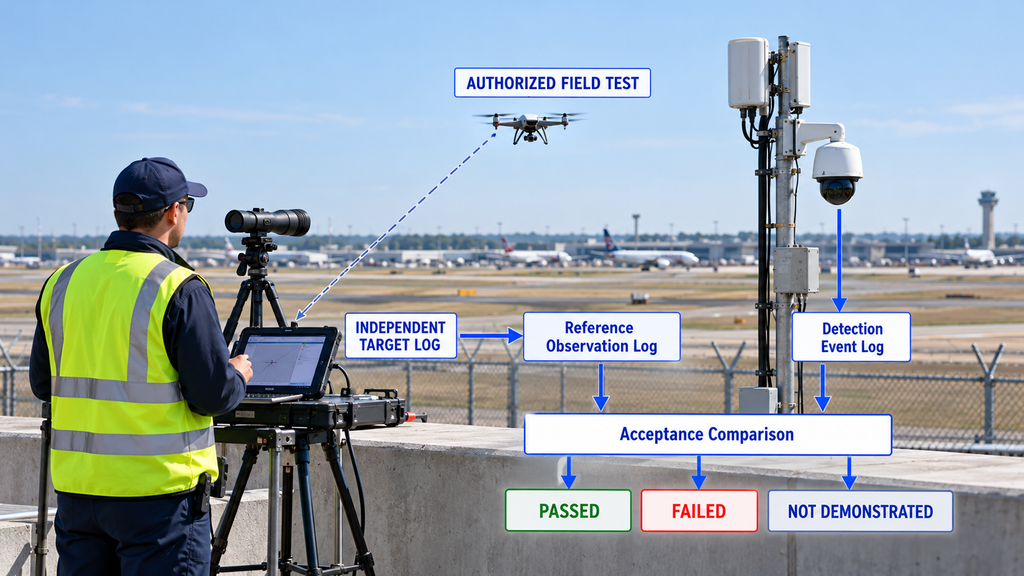
Field acceptance must show whether the installed system meets the airport’s agreed requirements.
A bench demonstration, simulated coverage map, or supplier datasheet cannot establish installed performance on its own.
Agree on the test scenarios, operating conditions, acceptance criteria, required records, and responsible parties before field verification starts.
Make Performance Results Measurable
Each detection test needs a documented reference or ground truth, a defined number of valid test opportunities, and a rule for counting successful detections.
Record misses against the valid opportunity count. Where the requirements include alert delay or location accuracy, compare the observed results with suitable references.
Assess nuisance alerts over a defined observation period. Record the target characteristics, environmental conditions, and equipment configuration for each test.
The airport project must set its own acceptance limits. No single detection percentage, false-alert rate, location accuracy, or response time suits every installation.
Field Acceptance Matrix
| Test item | Conditions | Project-defined criteria | Required record | Responsible party | Hold / reverification condition |
|---|---|---|---|---|---|
| Installed geometry and coverage | Final sensor positions, orientations, and approved monitoring zones | Required areas and exclusions match the accepted design and verified coverage evidence | As-built drawings, site survey, and coverage results | Integrator and airport technical representative | Sensor relocation, changed mounting geometry, or new obstruction |
| Detection scenarios | Authorized target types, agreed routes or zones, and recorded test conditions | Required detection result achieved across the agreed number of valid trials, with misses recorded | Ground-truth reference, trial count, event logs, missed detections, and observed results | Test lead with airport operator oversight | Untested target scenario, incomplete trial record, or result outside agreed criteria |
| Alert timing and location quality | Events requiring time or location information | Measured delay and location uncertainty meet the agreed limits against a suitable reference | Timestamped records, reference information, and error results | Integrator and acceptance team | Missing reference, unexplained error, or configuration change |
| Nuisance-alert behavior | Defined observation period under representative airport activity | Nuisance-event count or rate meets the agreed criterion using the approved classification method | Observation duration, event samples, classification records, and operator review | Airport operations and integrator | Inadequate observation period or unresolved recurring alerts |
| EMI and RF emissions | Approved operating modes and relevant RF conditions | Required compatibility, emission, and authorization conditions are demonstrated | RF baseline, emission inventory, applicable permissions, and test evidence | RF/EMI specialist and responsible airport stakeholders | New transmitter, changed frequency, interference finding, or incomplete authorization |
| Alert escalation and interfaces | Approved airport response workflow and integration endpoints | Alerts reach the correct roles with the required information and acknowledgment behavior | End-to-end logs, operator acknowledgment, and procedure sign-off | Airport operations, security, and integrator | Failed routing, missing response ownership, or interface change |
| Logging and operational resilience | Agreed power, network, storage, and recovery conditions | Required continuity, event retention, and recovery behavior are demonstrated | Test records, configuration backup, and support documentation | Integrator and airport system owner | Unresolved failure, software update, or infrastructure change |
Testing must comply with applicable airspace rules and airport procedures. Any live drone test near an airport requires the necessary authorization and coordination.
If the team cannot perform a scenario lawfully or safely, record it as unverified. Simulation or data replay can support interface testing, but neither proves performance in a live detection test that did not occur.
Record the Acceptance State
Classify each requirement as:
- Passed: Results met the agreed criteria under documented conditions.
- Failed: Results did not meet those criteria.
- Not demonstrated: Required evidence is missing or the scenario was not tested.
A successful related test does not turn an untested requirement into a pass.
Changes to antenna positions, sensor settings, firmware, software, frequencies, network interfaces, or nearby structures may affect earlier results. Define which changes require reverification.
The final acceptance record should connect each decision to its test conditions, results, reviewer, and unresolved issues.
7. What Must the Procurement and Handover Package Include?
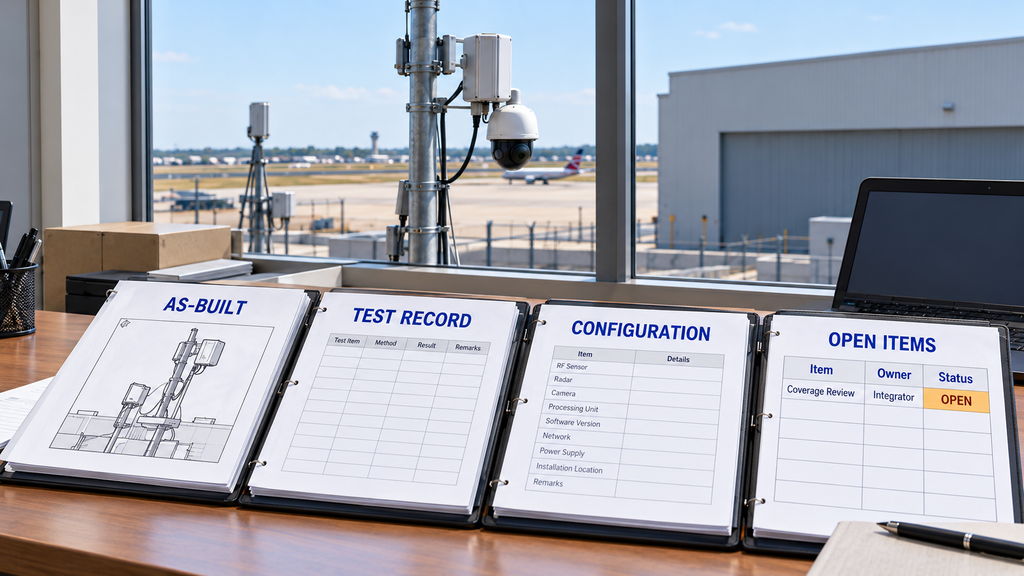
The airport’s receiving team needs a clear record of what the project approved, installed, verified, and left unresolved. It should be able to operate and maintain the installation without relying on undocumented supplier knowledge.
The handover package should contain:
- Approved scope and exclusions: Monitoring-zone drawings, target scenarios, required results, acceptance criteria, and known blind spots.
- Coordination and authorization records: Applicable FAA review outcomes, installation permissions, spectrum authorizations, and unresolved restrictions.
- As-built technical documentation: Sensor positions, mounting geometry, antenna orientation, equipment inventory, interfaces, and network or power arrangements.
- EMI and field evidence: RF baseline results, transmission inventory, compatibility findings, acceptance records, and outstanding test conditions.
- Operational procedures: Alert categories, verification steps, escalation contacts, airport response-plan references, and assigned responsibilities.
- Configuration and lifecycle controls: Hardware identifiers, firmware and software versions, backup procedures, cybersecurity and access arrangements, maintenance ownership, and reverification triggers.
The procurement contract should state who supplies equipment, installs it, integrates the systems, trains personnel, manages regulatory coordination, and provides ongoing support.
Name the person or organization authorized to sign final acceptance. Assign each unresolved item to an owner and document any operating restrictions that remain after conditional acceptance.
Compare Proposals Using the Same Acceptance Basis
Compare supplier proposals against the same monitoring zones, target scenarios, operating conditions, interfaces, and acceptance criteria.
An advertised detection range is useful only when the target, test method, and environmental conditions are comparable.
Where a proposal lacks essential requirements or evidence, ask the supplier to resolve those gaps before ranking it against another offer.
At handover, the designated airport system owner should be able to answer:
- What installation and operating scope was approved?
- What performance was demonstrated, and under which conditions?
- What needs review or retesting if the system changes?
Conclusion
An airport can consider a drone detection installation for acceptance once the team has defined its monitoring requirements, verified the sensor locations, reviewed EMI and emissions, resolved applicable coordination, and assigned responsibility for alerts.
The project records must show what passed, what failed, and what remains untested. This framework cannot establish a particular model’s detection performance or determine whether a specific airport installation has the required authorization.
A detection alert also cannot establish hostile intent or authorize interference with an aircraft.
Before approving the installation, assemble the coverage drawings, equipment and transmission inventory, coordination records, acceptance evidence, and unresolved issues. The airport operator and relevant specialists can then review the remaining decisions.
Request an RF Requirements Review
If your airport project involves RF detection hardware or interfaces, contact RF SKYPOWER with the technical requirements for review.
For an initial review, share the airport type, monitoring zones, expected drone targets, required detection outputs, and whether the installation is temporary or fixed. Include known obstructions, local RF conditions, integration interfaces, project stage, and available technical documentation.
RF SKYPOWER can review the relevant component and interface requirements within its confirmed scope. FAA coordination, complete system suitability, and final field acceptance remain project-specific responsibilities.