
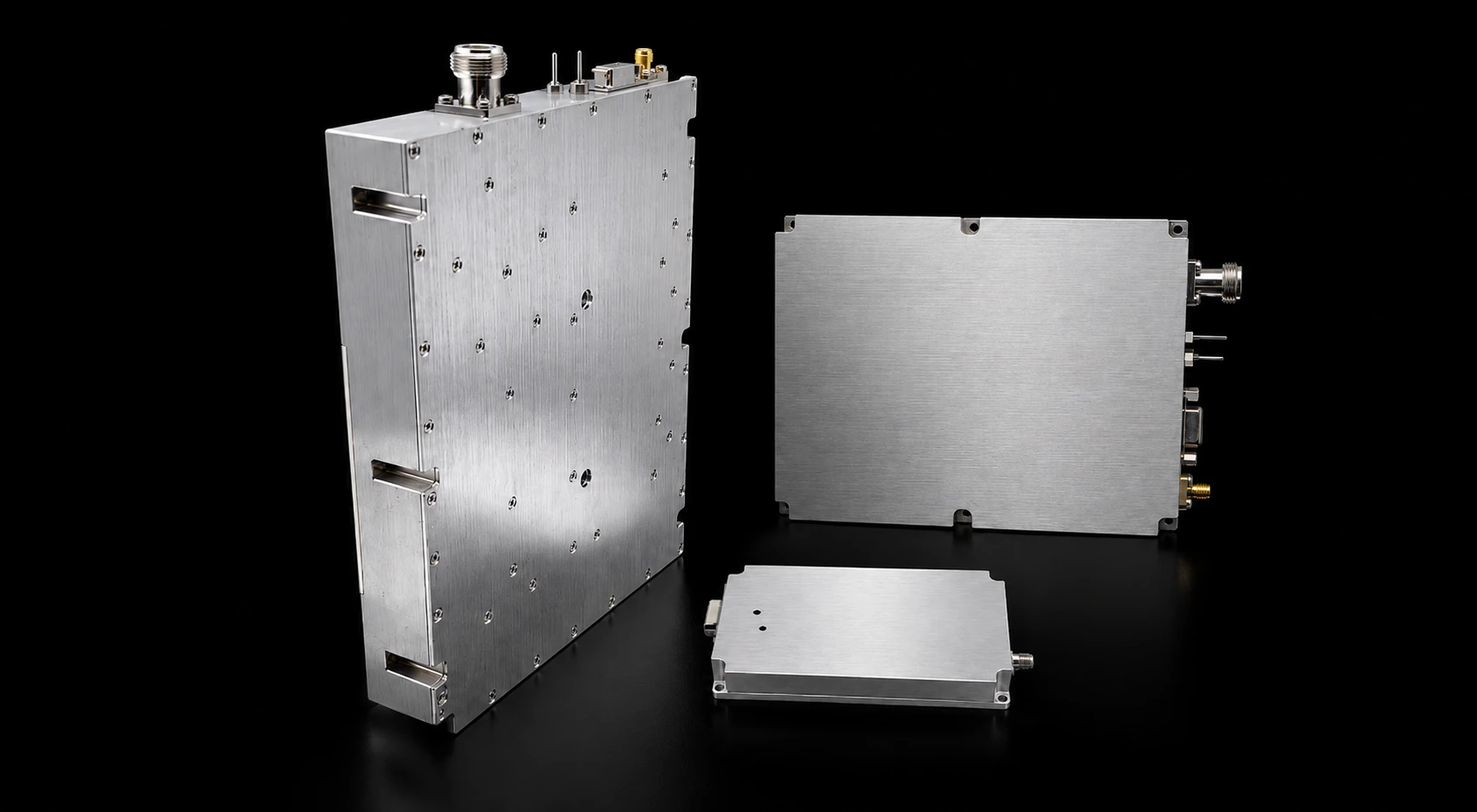
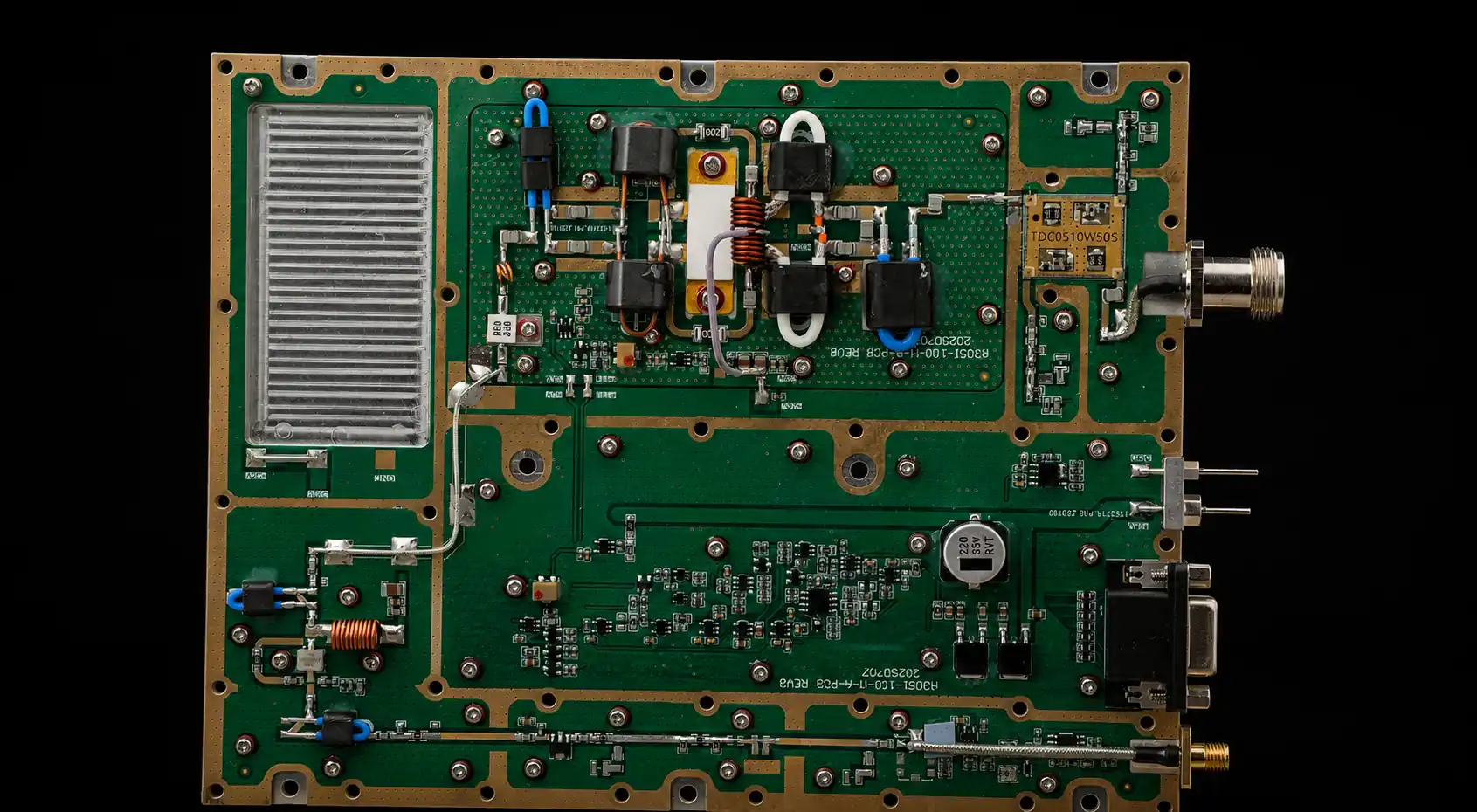
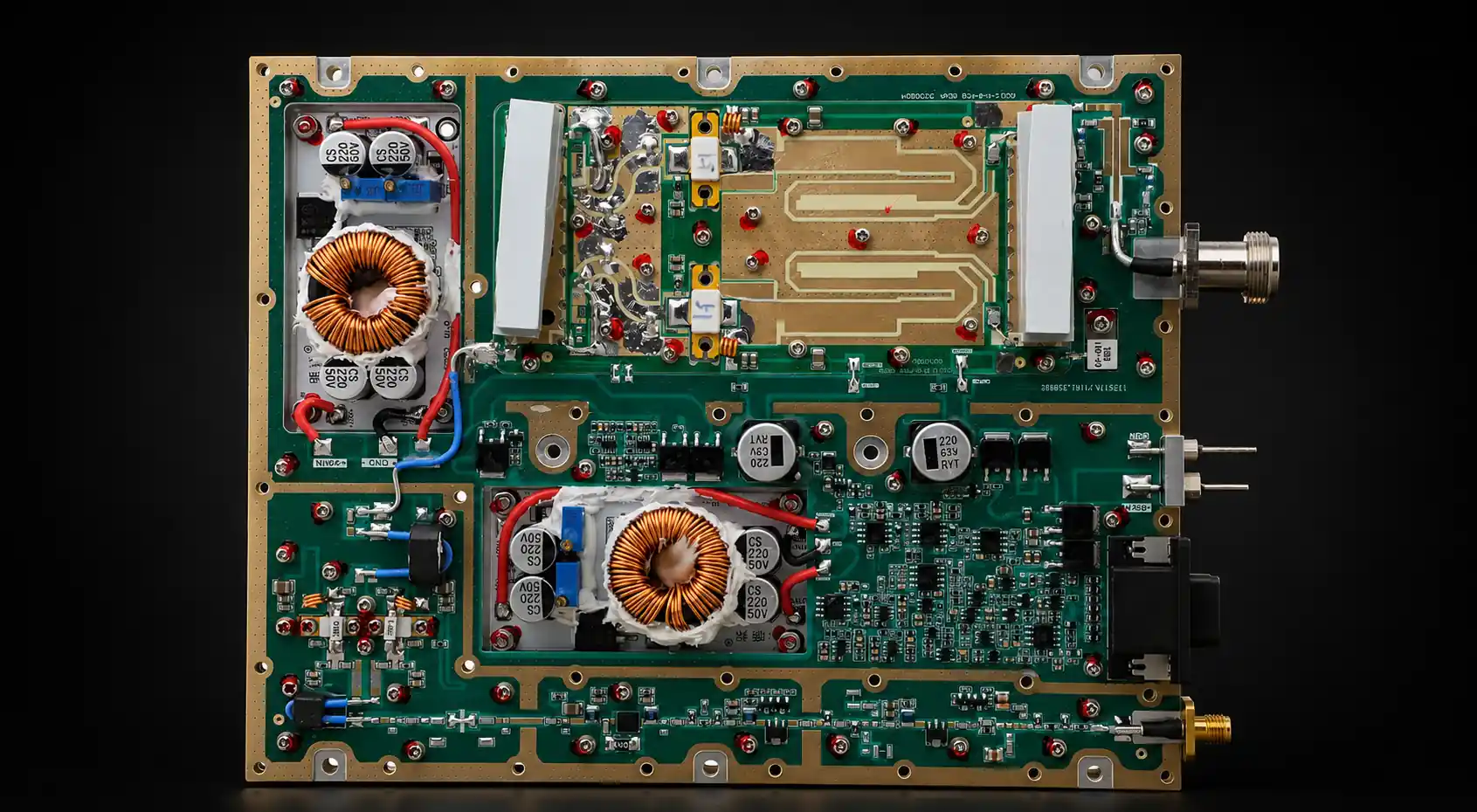
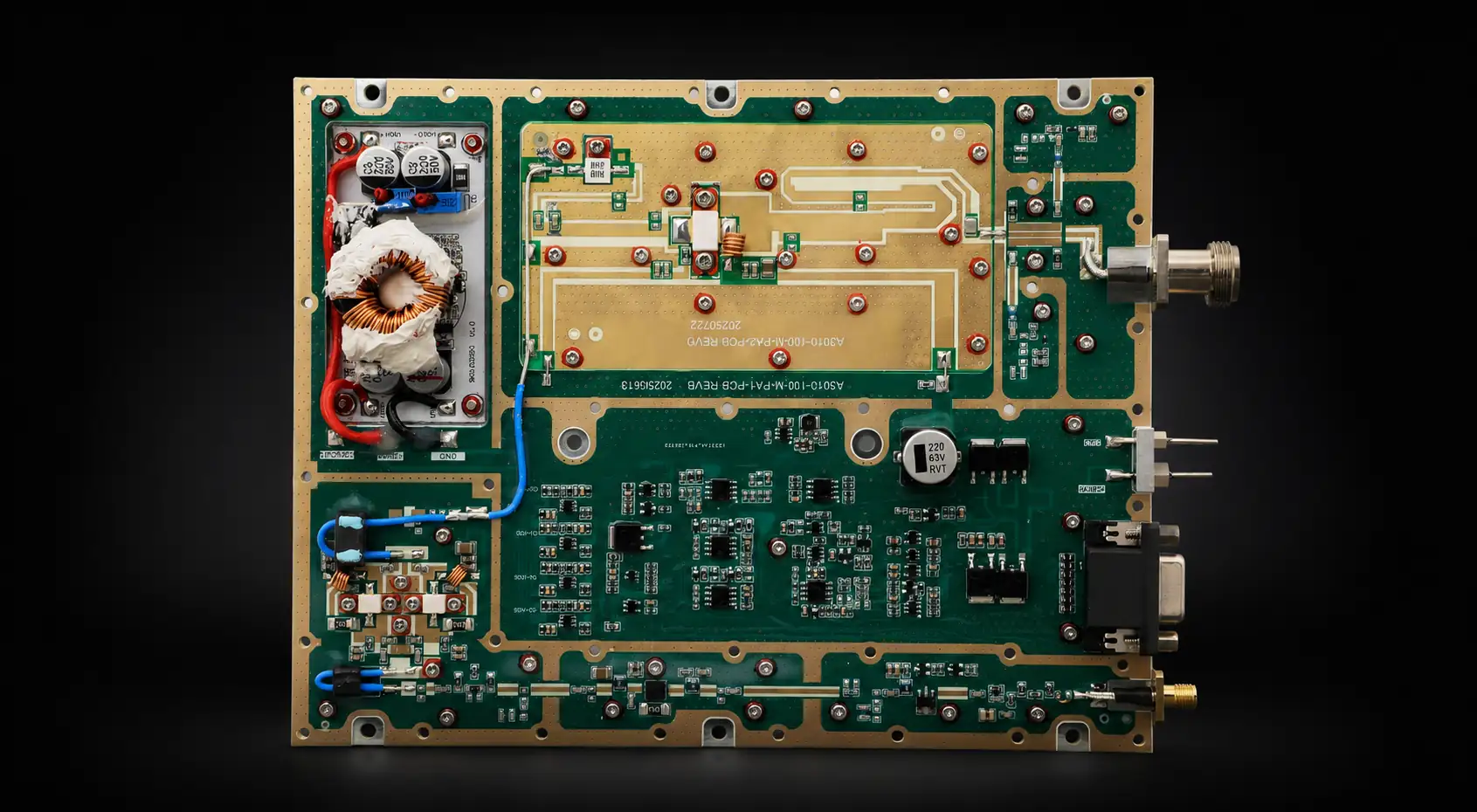
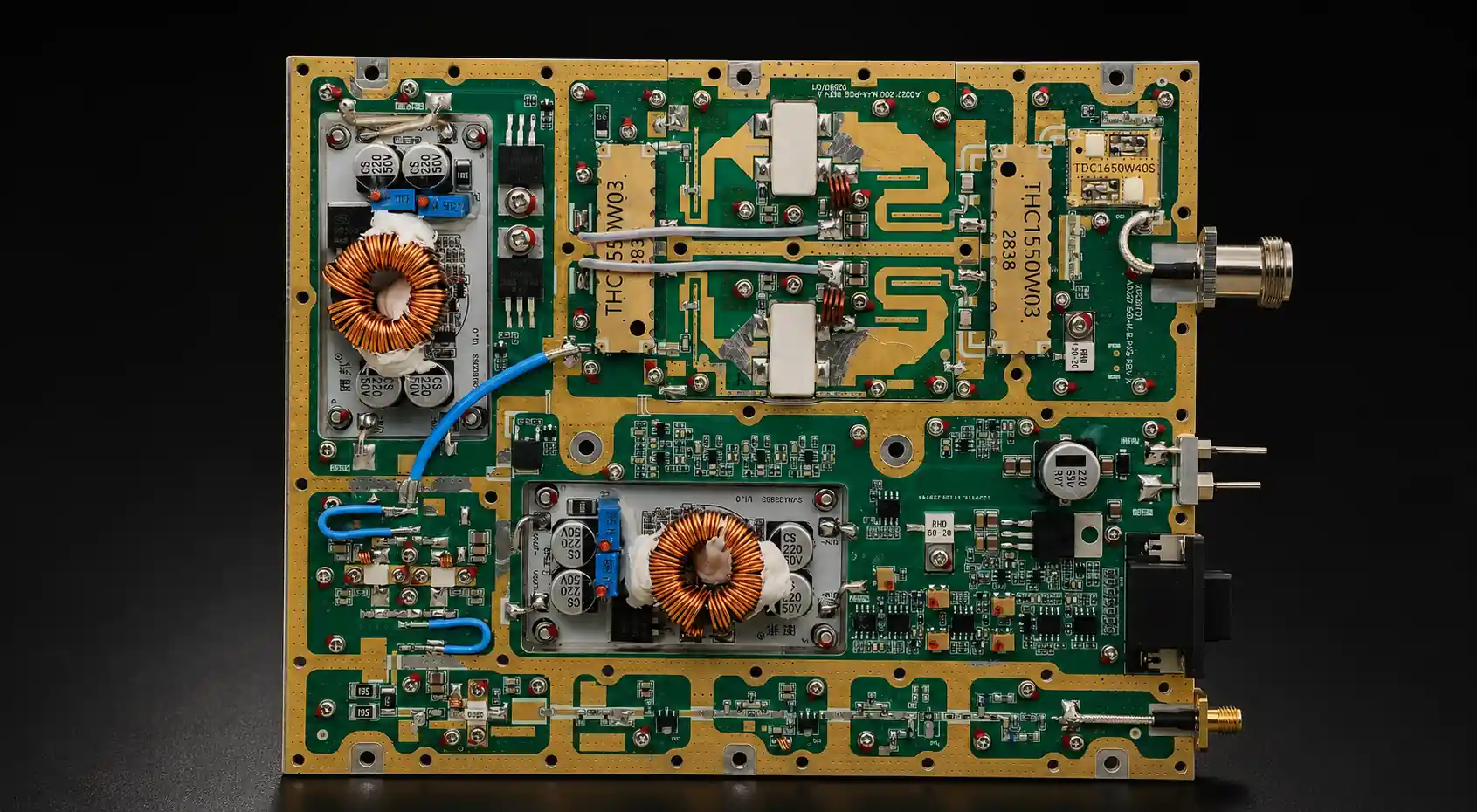
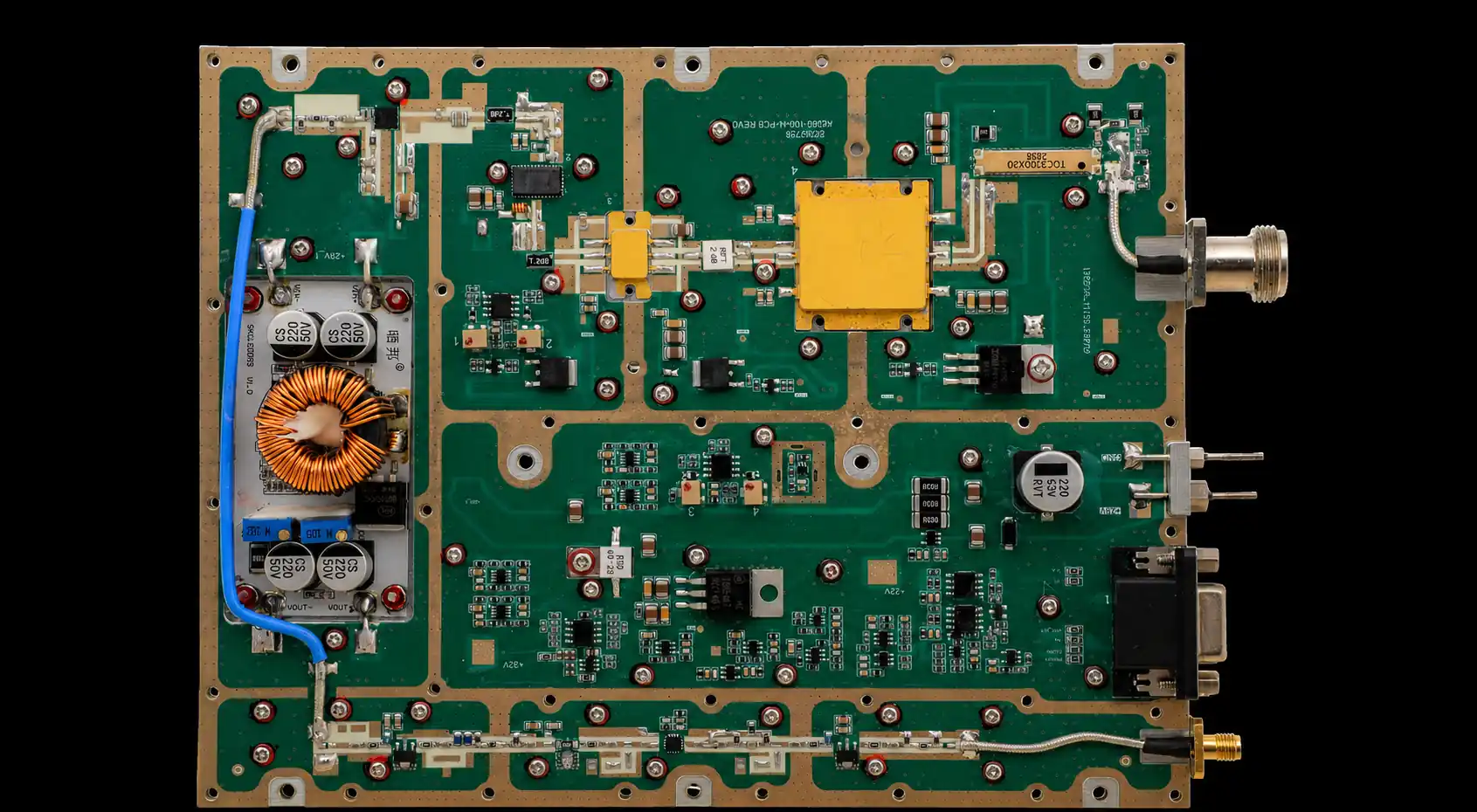

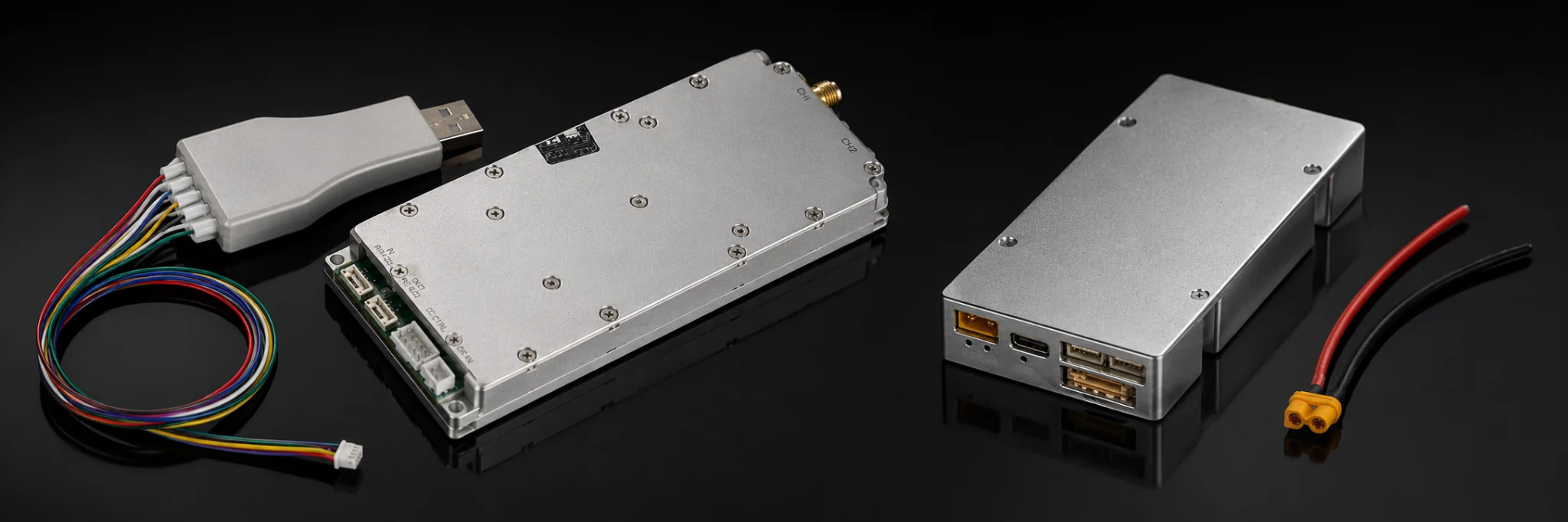

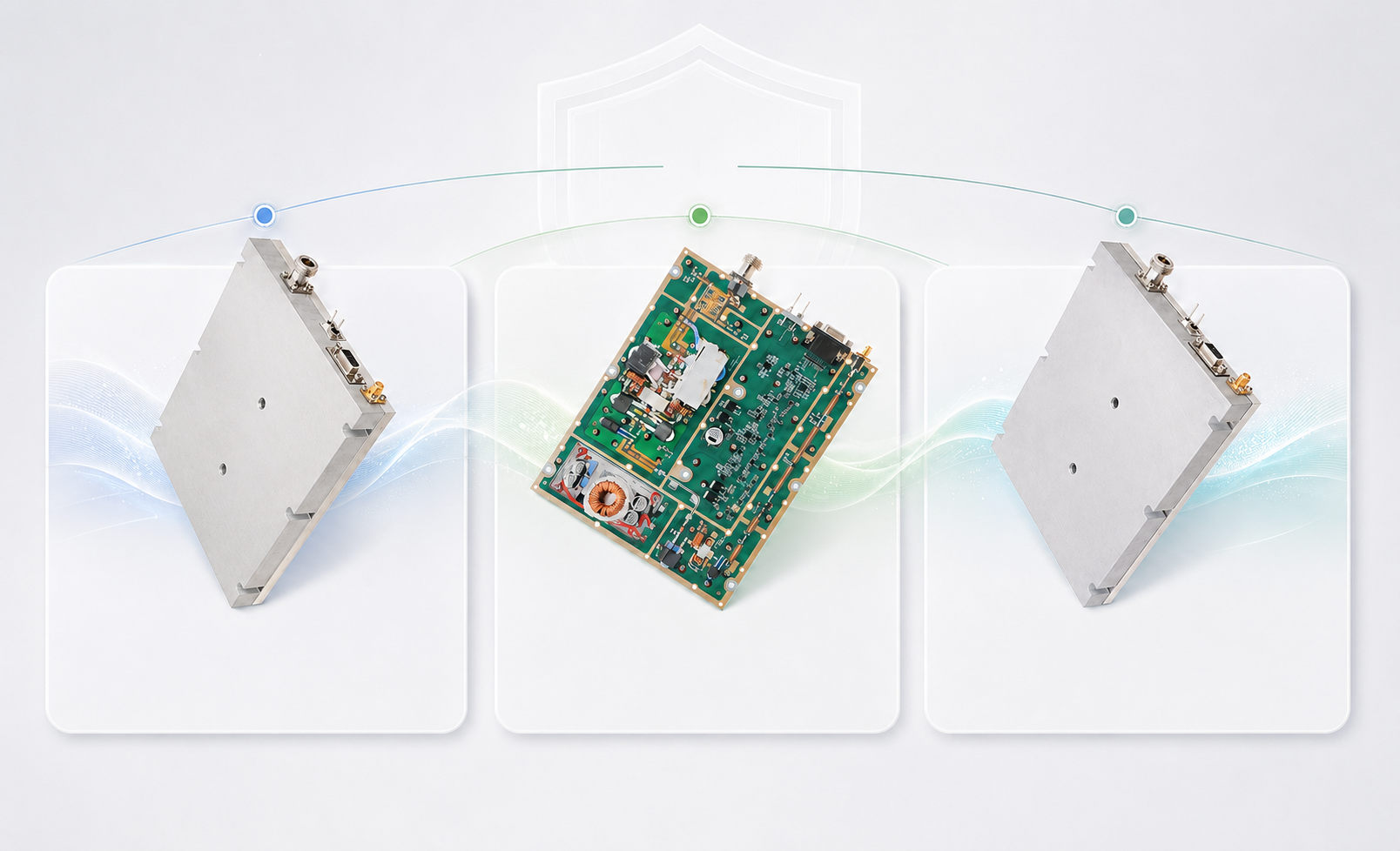
Wideband RF Power Amplifier Modules provide a product option when several required operating frequencies fall within the same listed range.
The widest range is not automatically the best choice. Start with the frequencies the project will actually use. Then define whether the output requirement applies at the PA connector or the antenna end.
RF SKYPOWER lists wideband series covering 30–512 MHz, 300–1200 MHz, 300–1700 MHz, 300–2700 MHz, and 2000–6000 MHz.
1. Compare Wideband RF PA Module Series by Frequency Range
The product families below provide the initial comparison by frequency range and output class.
Start with the required operating points, then open the corresponding datasheet for the closest product family.
The tables show the datasheets available for each output class. Availability and configuration status must be confirmed for the selected frequency range and power level.
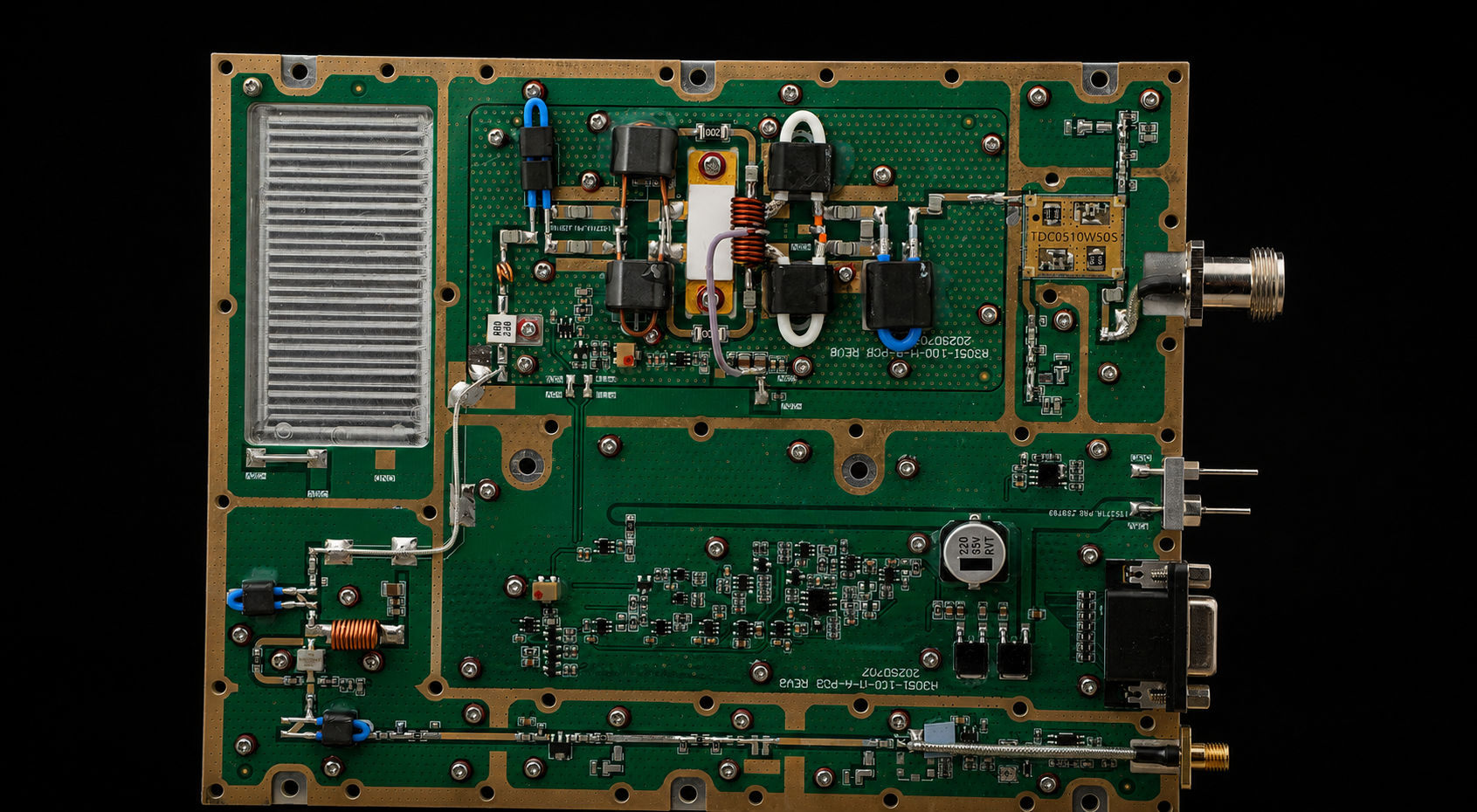
30–512 MHz Wideband RF PA Modules
A low-band VHF/UHF product family for projects requiring operation within 30–512 MHz. Review antenna, current, and thermal boundaries at the required operating points.
| Output Power | Datasheet |
|---|---|
| 30 W | Download 30 W Datasheet |
| 50 W | Download 50 W Datasheet |
| 100 W | Download 100 W Datasheet |
| 150 W | Download 150 W Datasheet |
| 200 W | Download 200 W Datasheet |
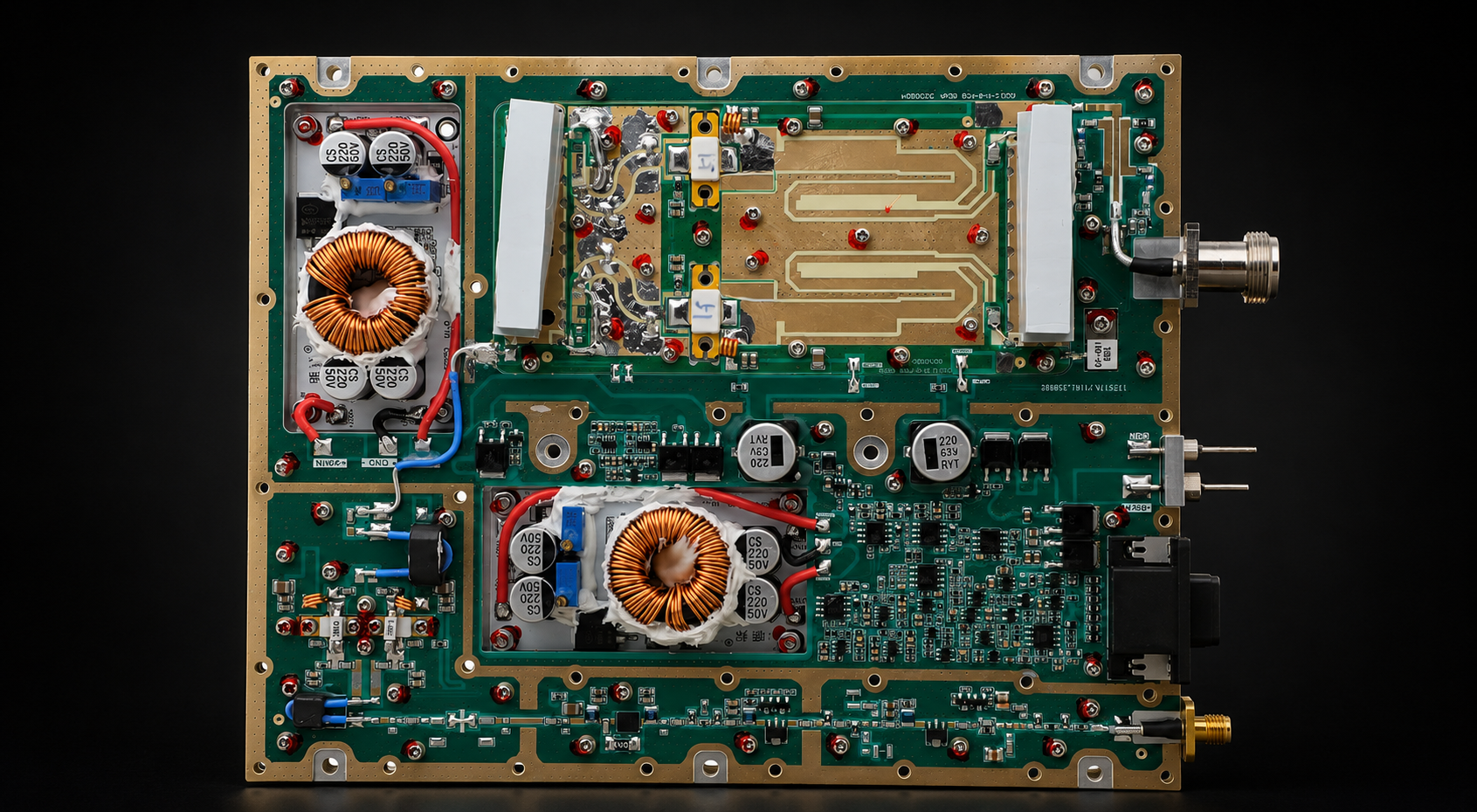
300–1200 MHz Wideband RF PA Modules
A wider low- and mid-band product family for projects requiring several operating points between 300 MHz and 1200 MHz.
| Output Power | Datasheet |
|---|---|
| 30 W | Download 30 W Datasheet |
| 50 W | Download 50 W Datasheet |
| 100 W | Download 100 W Datasheet |
| 150 W | Download 150 W Datasheet |
| 200 W | Download 200 W Datasheet |
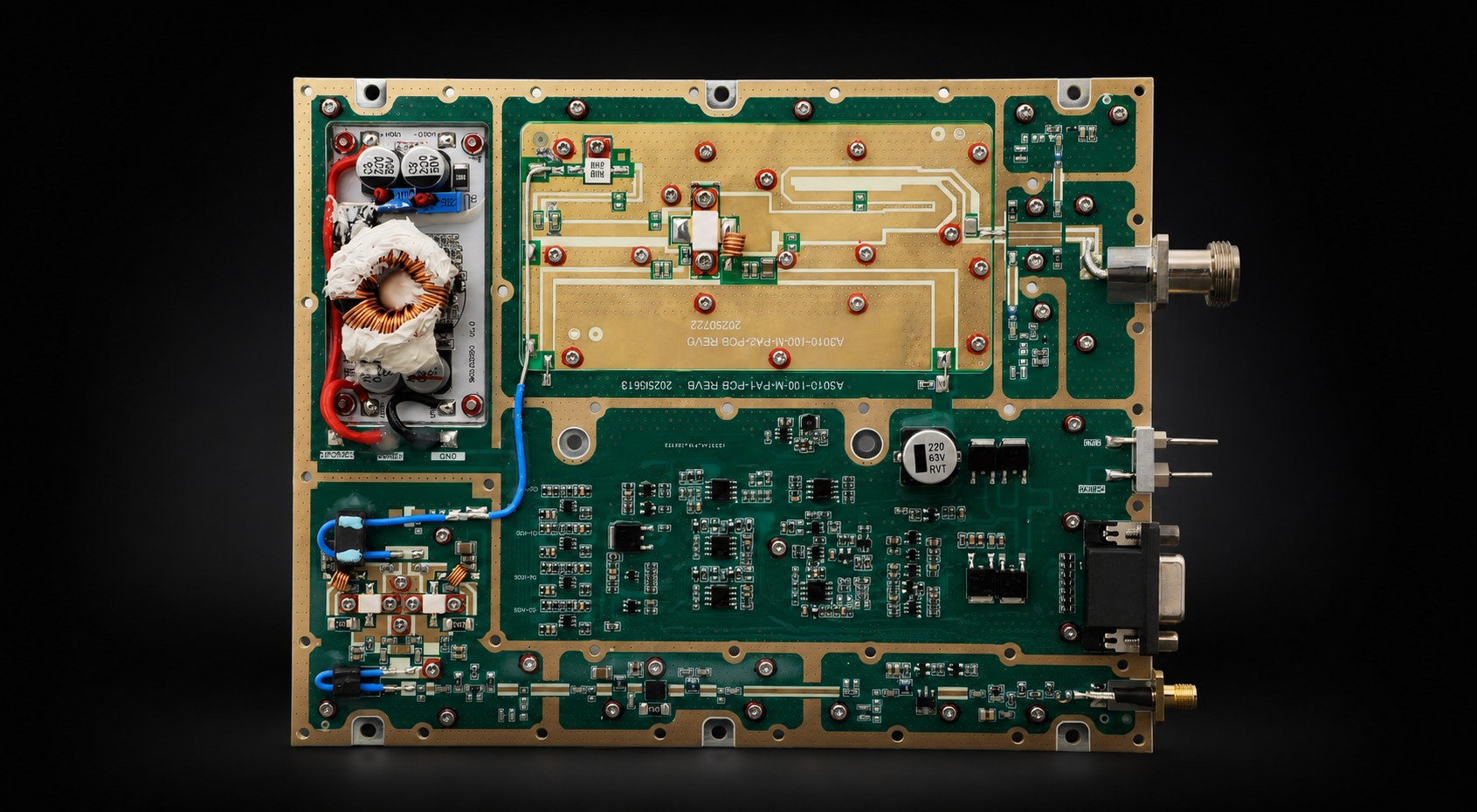
300–1700 MHz Wideband RF PA Modules
An extended mid-band product family when 300–1200 MHz is insufficient but the additional span of 300–2700 MHz is not required.
| Output Power | Datasheet |
|---|---|
| 30 W | Download 30 W Datasheet |
| 50 W | Download 50 W Datasheet |
| 100 W | Download 100 W Datasheet |
| 150 W | Download 150 W Datasheet |
| 200 W | Download 200 W Datasheet |
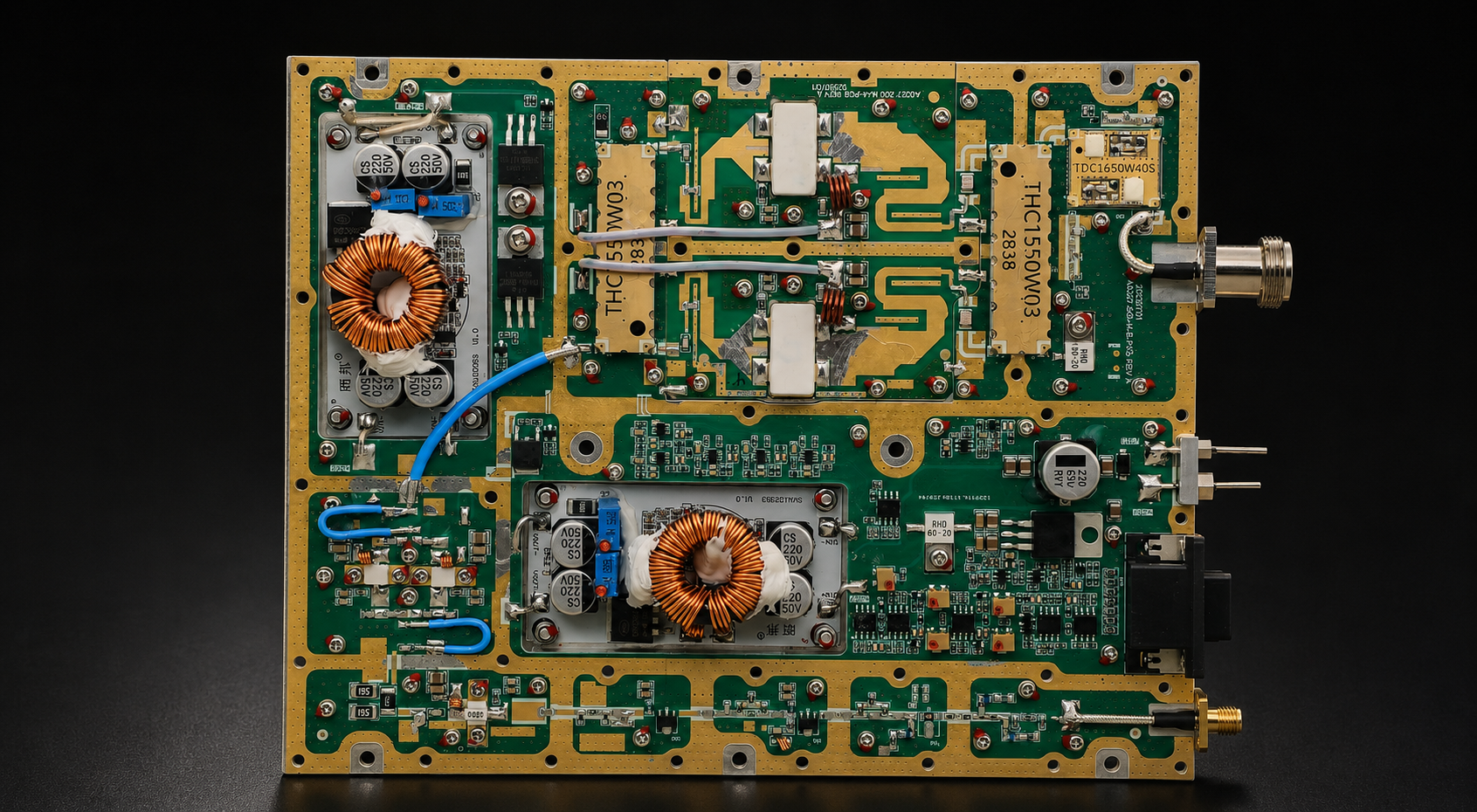
300–2700 MHz Wideband RF PA Modules
A broad lower-to-mid-band product family for projects requiring several operating points within the 300–2700 MHz range.
| Output Power | Datasheet |
|---|---|
| 30 W | Download 30 W Datasheet |
| 50 W | Download 50 W Datasheet |
| 100 W | Download 100 W Datasheet |
| 150 W | Download 150 W Datasheet |
| 200 W | Download 200 W Datasheet |
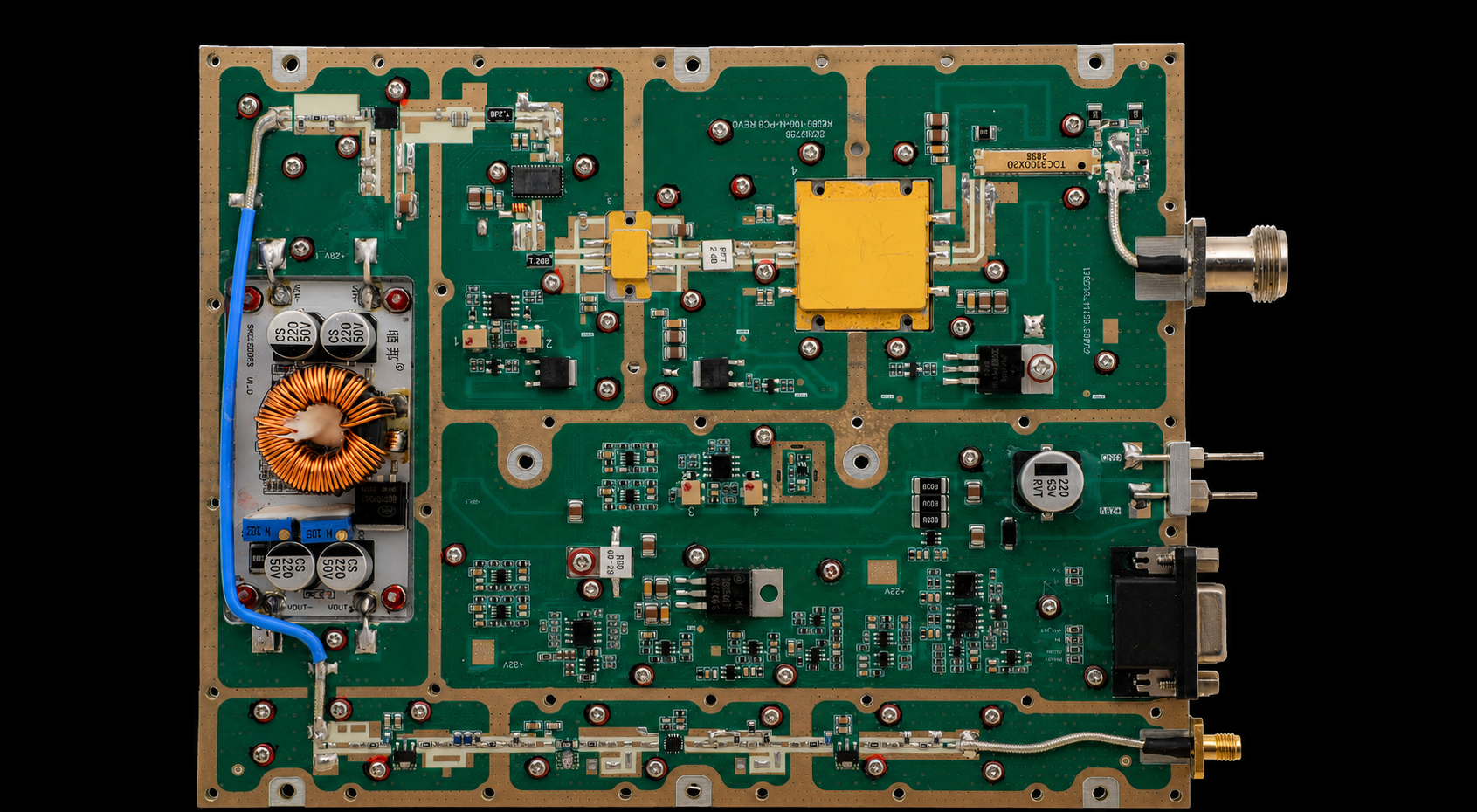
2000–6000 MHz Wideband RF PA Modules
A high-band product family for 2–6 GHz systems where feeder, connector, and antenna-path loss require closer review.
| Output Power | Datasheet |
|---|---|
| 30 W | Download 30 W Datasheet |
| 50 W | Download 50 W Datasheet |
| 100 W | Download 100 W Datasheet |
| 150 W | Download 150 W Datasheet |
| 200 W | Download 200 W Datasheet |
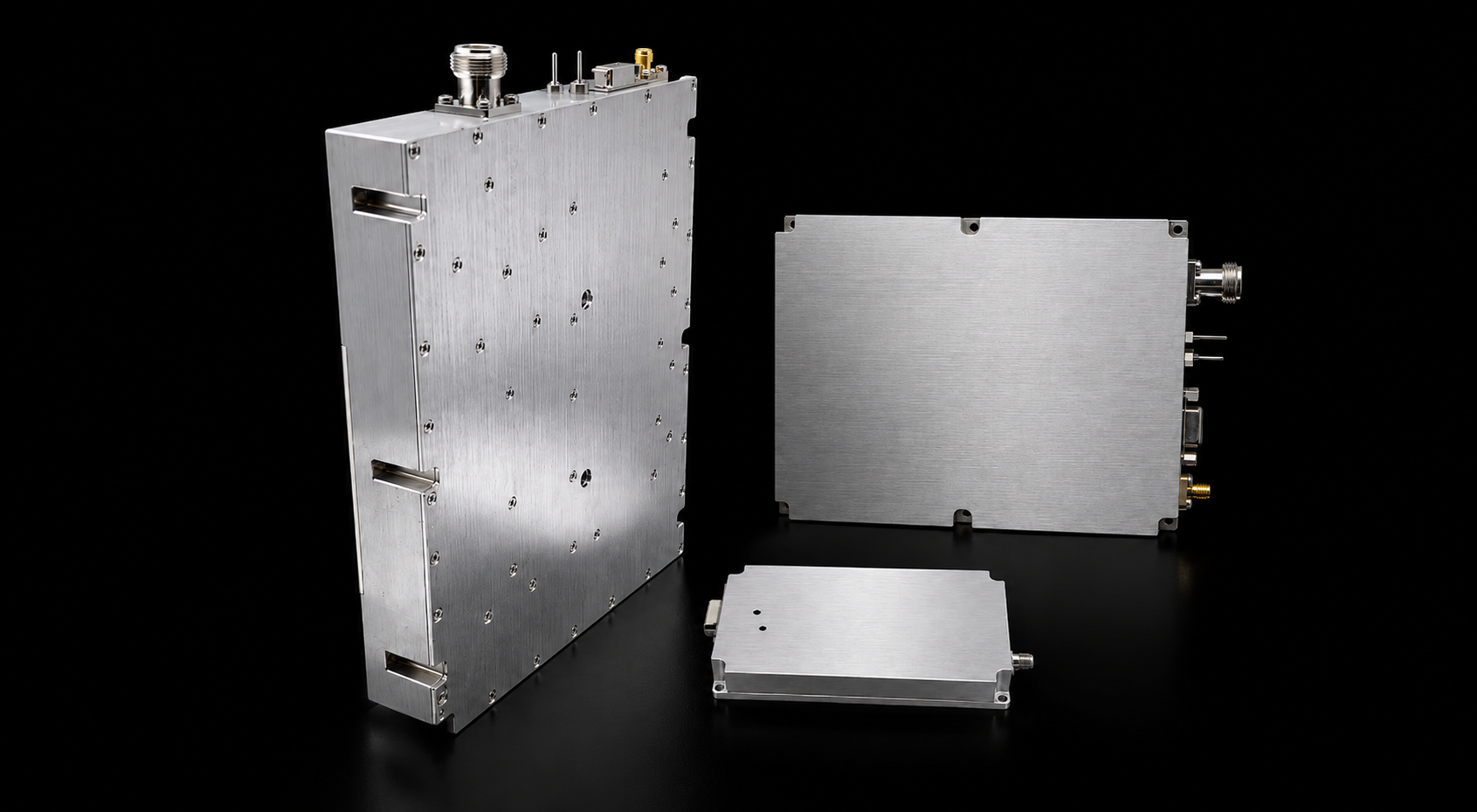
Custom RF PA Module Options
If standard RF PA modules do not match the required frequency, output power, voltage, cooling, connector, or control interface, RF SKYPOWER can review a custom RF PA module configuration before RFQ.
| Custom Item | Available Range / RFQ Detail |
|---|---|
| Frequency Range | Custom frequency coverage from 20MHz to 20GHz, based on target frequency points and band-edge requirements. |
| Output Power | Project-defined RF output from 10W to 1000W, depending on frequency, duty cycle, cooling, and system integration conditions. |
| Engineering Review | Confirm voltage, gain, input drive, connector, heatsink or forced-air cooling, VSWR protection, control interface, and test-report requirements before RFQ. |
2. What the Product Tables and Datasheets Can Confirm
The product cards identify the closest frequency family, output class, product page, and available datasheet.
Before approving a module, confirm:
- the required operating frequency points;
- available RF input at the PA connector;
- the defined output reference plane;
- PA-terminal voltage under load;
- operating duty and cooling condition;
- connector, feeder, RF load, and antenna path;
- control and protection requirements;
- test conditions and reporting requirements.
A matching frequency range and output class identify a candidate module. They do not prove usable output at every required frequency.
Project-specific conditions may remain outside the datasheet. These can include hot-state margin, antenna-end output after RF-path loss, behavior with the installed RF path and load, protection limits, and acceptance criteria.
Any condition not defined by the datasheet must be confirmed during engineering review.
3. When a Listed Wideband Series Does Not Fit the Project
A separate engineering review is appropriate when a requirement falls outside the conditions stated in the selected datasheet.
This may involve frequency, output, RF input, PA-terminal supply, cooling, interfaces, protection, mechanical installation, or acceptance evidence.
Further review is appropriate when:
- a priority frequency sits near or outside a listed band edge;
- the required output is defined at the antenna end;
- the installed RF path adds significant loss or mismatch;
- the operating duty differs from the stated test condition;
- a different connector or mechanical interface is required;
- the control or protection behavior must follow a project-defined specification;
- additional unit-level test evidence is required.
Submit requirements outside the listed product families for a custom RF PA module review.
Define the operating and test boundaries before confirming the final configuration, lead time, and acceptance scope.
What to Send for Wideband RF PA Engineering Review
An initial RFQ should provide enough information to identify the closest product family. It should also identify any open conditions that require engineering review.
| RFQ Item | What to Define |
|---|---|
| Frequency | Required range and priority operating points |
| Output | Required PA-port or antenna-end output |
| RF Input | Available power at the PA input reference plane |
| DC Supply | Nominal 28 V supply, PA-terminal voltage under load, and available current reserve |
| Duty | CW, intermittent, or project-defined operating duty |
| Cooling | Heatsink, airflow, cabinet condition, and thermal interface |
| RF Path | Connector, feeder, expected loss, RF load, and antenna match |
| Control | Enable, alarm, reset, monitoring, or command requirements |
| Protection | VSWR, reflected power, temperature, and voltage boundaries |
| Evidence | Datasheet, swept results, hot-state data, or S/N-linked report |
| Mechanical Limits | Available space, mounting method, and connector orientation |
For a wideband RF PA engineering review, first send the required frequency range or priority operating points.
Also include the target PA-port or antenna-end output and available RF input power.
Add the 28 V supply condition, operating duty, cooling method, and connector where these details are already defined.
Also include the RF-path boundary, protection requirements, and required evidence.
Conditions that remain open can be reviewed and defined during the RFQ stage.
RF SKYPOWER can then identify the closest listed series or define the scope of a project-specific configuration.
Conclusion
A wideband RF PA selection is complete only when the chosen frequency family and output class fit the project at its actual operating points and defined output reference plane.
Use the product cards and datasheets to narrow the choice to the closest available series. Then close any remaining RF, DC, thermal, interface, load, protection, and test-evidence gaps during the RFQ review.
This prevents a nominal frequency-range match from being mistaken for a fully qualified project configuration.